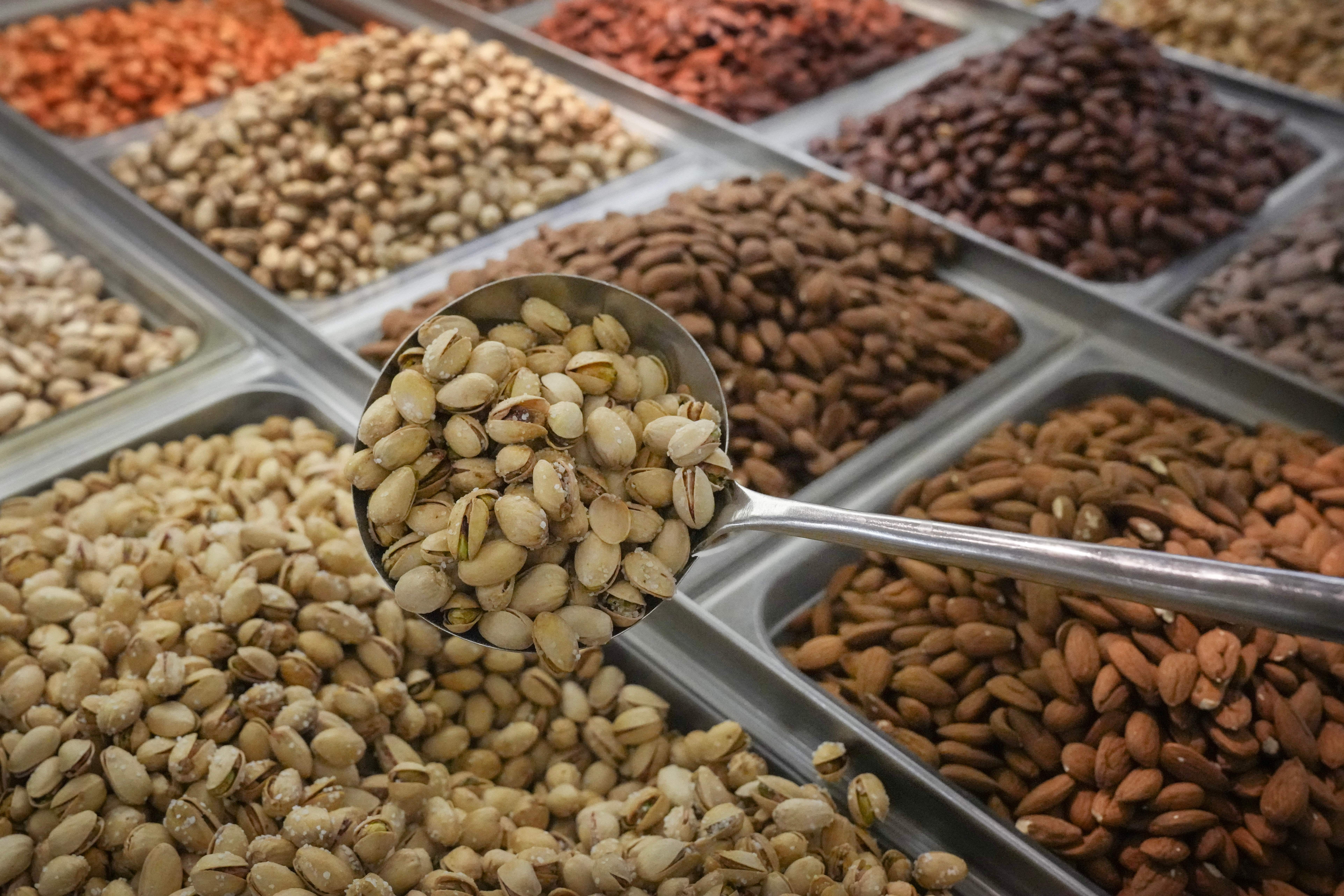
After more than fourteen long months, federal health authorities finally declared Canada's massive pistachio salmonella outbreak officially over.
Between March 2025 and May 2026, two hundred people across six provinces ended up with lab-confirmed salmonella infections. Twenty-six of them needed hospital care. What started as a sporadic cluster of stomach bug cases turned into a tangled national food safety emergency that hit everything from everyday nut mixes to trendy Dubai-style chocolate bars.
The outbreak investigation is closed. Yet, if you walk into a grocery store today expecting Iranian pistachios back on store shelves, think again. The Canadian Food Inspection Agency (CFIA) kept its import ban firmly in place.
Understanding why this ban remains requires looking past the headlines and into the gritty mechanics of international supply chains.
The Fourteen Month Nightmare and Dubai Chocolate Trend
Food safety investigations usually wrap up in a few weeks or months. This one stretched on for over a year, and there's a reason for that.
Pistachios have an insanely long shelf life. Raw or roasted, these nuts can sit in store pantries, commercial bakeries, and distribution warehouses for up to two years without spoiling. When salmonella contamination strikes a dry product with a multi-year shelf life, the bacteria just sit there waiting. They don't die off quickly.
The investigation took a strange turn when investigators traced the bacteria strains—including Salmonella Havana, Mbandaka, and Meleagridis—beyond simple bags of shelled nuts. The outbreak spread through secondary food manufacturing.
It hit:
- Viral Dubai-style chocolate bars filled with pistachio cream and knafeh.
- Baklava, knafeh pastries, and specialty cakes.
- Artisanal ice creams and gelato formulations.
- Gourmet nut mixes and savory sauces.
Because pistachio butter and paste get blended into dozens of specialty products, tracking down every infected lot felt like finding a needle in a haystack. By the time a consumer bought a pistachio-infused pastry in Quebec or Ontario, tracing that specific lot back to a bulk shipment took serious detective work.
Six provinces felt the brunt of the outbreak. Quebec saw ninety-one cases, while Ontario reported seventy-nine. British Columbia logged sixteen cases, Alberta had nine, Manitoba recorded three, and New Brunswick reported two. Public health officials acknowledge that for every confirmed case, dozens more people got sick at home without ever seeking a doctor's test.
Why the Import Restrictions Stay On
The Public Health Agency of Canada says the immediate wave of illnesses has ended, but the underlying risk hasn't vanished. The source of the contamination was traced directly back to pistachio shipments originating in Iran.
Iran is one of the world's largest exporters of pistachios, alongside the United States. But handling protocols and testing standards vary widely across borders. Salmonella contamination in tree nuts usually happens during harvesting or processing when raw nuts come into contact with animal feces, contaminated irrigation water, or unsanitary drying beds.
In late September 2025, the CFIA stepped in with a temporary import restriction. That policy remains active today.
Under these rules, any importer trying to bring pistachios or pistachio products into Canada must provide strict documentary proof that the ingredients did not originate in Iran. If an importer can't prove origin, the shipment faces immediate hold-and-test protocols or gets turned away at the border.
Why keep the restriction if the outbreak is over? Simple. CFIA inspectors aren't convinced that foreign processing plants have fixed their sanitation practices. Reopening the border without proof of long-term facility cleanup would just set Canada up for a repeat outbreak six months down the road.
Spotting Salmonella in Dry Foods
Most people associate salmonella with raw chicken or undercooked eggs. Finding it in dry goods like nuts, spices, or flour catches consumers off guard.
Bacteria need moisture to multiply rapidly, but they can survive dormant in dry foods for a very long time. Once consumed, the moist environment of the human digestive tract gives the bacteria everything they need to wake up and cause havoc.
Symptoms usually hit anywhere from six to seventy-two hours after eating contaminated food.
Common symptoms include:
- Chills and sudden high fever.
- Severe abdominal cramps and nausea.
- Frequent diarrhea and vomiting.
- Persistent headache.
For a healthy adult, it's a rough week spent close to a bathroom. Most recover within seven days without antibiotics. But for young kids under five, adults over sixty, pregnant women, or people with compromised immune systems, dehydration and systemic infection can turn dangerous quickly. That's why twenty-six Canadians ended up in hospital beds over the course of this outbreak.
The tricky part? Contaminated pistachios don't look, smell, or taste bad. You can't rely on a simple sniff test before mixing pistachio butter into your morning smoothie.
What Consumers and Bakers Should Do Right Now
The outbreak declaration gives us a breather, but it's not a green light to ignore what's in your pantry. If you bought pistachio items over the last year, here is how to protect yourself.
First, check your pantry for recalled items. Dozens of brands faced recall notices during the probe, including Habibi, Al Mokhtar Food Centre, Andalos, and various boutique chocolatiers. If you have unlabeled bags of pistachios or imported pistachio paste in your freezer, throw them out. Don't risk it.
Second, read origin labels carefully. Check where products were processed. If you enjoy baking baklava or making pistachio-flavored desserts, stick to domestic sources or certified imports from regions with clear safety records.
Third, report suspicious products. If you bought an imported nut blend that lacks clear labeling regarding its origin, ask the retailer directly. Canadian retailers are legally required to ensure their supply chains comply with CFIA directives.
The salmonella outbreak may be officially over, but food safety vigilance never really stops. Keep your kitchen safe by staying informed and tossing anything suspicious.