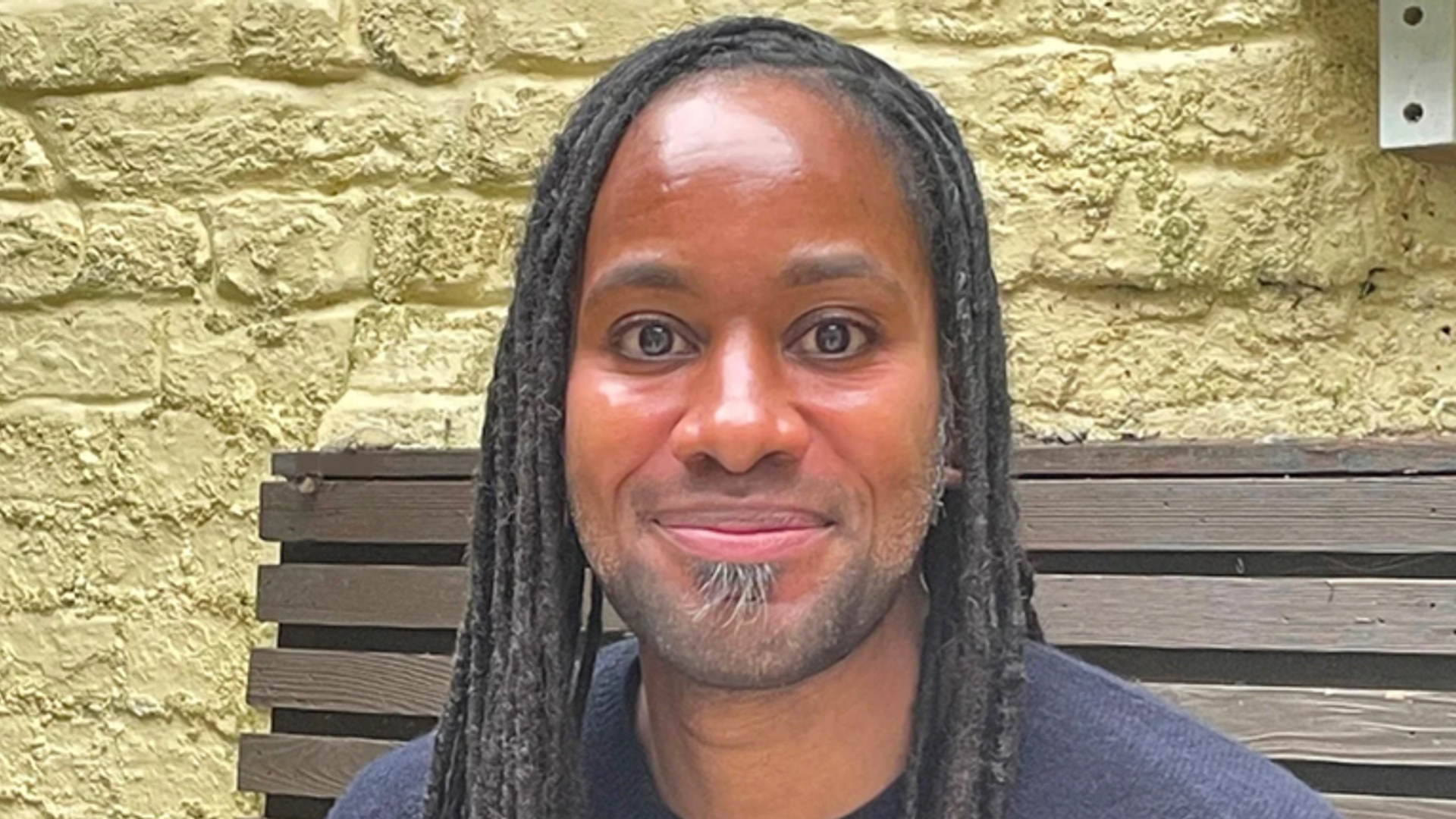
The University of Cambridge is finally taking a hard look in the mirror. Following the tragic death of Professor Jason Arday at the age of 41, the institution announced an independent review to dissect its internal decision-making, recruitment practices, and how it handles intense media storms.
Arday resigned from his post as professor of sociology of education earlier this year after facing heavy scrutiny over accusations of plagiarism. On August 14, he was found unresponsive at his home in Battersea. His death sent shockwaves through higher education, sparking massive vigils in London and pushing the institution to question its institutional responsibilities.
Vice-Chancellor Professor Deborah Prentice admitted that the university is asking itself difficult questions. Did they do enough? Could institutional systems have protected a high-profile academic caught in the middle of a vicious public trial by media?
Inside the Two-Part Independent Investigation
The review is structured into two distinct phases to ensure accountability without dragging its feet for years.
Part one focuses directly on Arday’s final months. Led by Nazir Afzal, the former chief crown prosecutor for the North West of England, this phase investigates the immediate support, interventions, and protections available to Arday before his death. Afzal has stated that the work must be approached with rigorous humanity, aiming to report back within three months so urgent recommendations can clear the pipeline immediately.
Part two takes a much wider lens. It examines the structural realities of senior academic recruitment, mentorship programs, and how the university manages allegations of research misconduct. It will also scrutinize the support systems available when faculty members become targets of extraordinary online and media hostility. This second phase will be steered by an independent external chair alongside an expert advisory panel featuring individuals with lived experience.
The Pressure Cooker of Academic Scrutiny
Let's be honest about how modern academia works. When you achieve historical milestones—like Arday becoming Cambridge's youngest Black professor in 2023—you don't just gain prestige. You also attract an unprecedented level of exposure.
The scrutiny intensified dramatically after accusations were raised regarding elements of his academic background and previous research work. While debates over research integrity and publication standards are a standard part of scholarly oversight, the digital ecosystem transforms ordinary institutional disputes into brutal public spectacles. Social media pile-ons and relentless news cycles create an environment that can easily overwhelm even the most seasoned public figures.
Prentice publicly acknowledged that Arday's death deeply affected Black staff, students, and the neurodiverse community, while also highlighting a disturbing rise in racist and hateful attacks online. Universities are struggling to adapt to an era where academic disputes are weaponized across toxic digital forums.
What Needs to Change Right Now
Reviews and panels sound bureaucratic, but the stakes here couldn't be higher. Higher education institutions need a complete overhaul of how they handle mental health crises during active public scandals.
When an academic is thrust into the global media spotlight, internal support often defaults to legal risk management rather than pastoral care. Universities treat faculty like corporate PR liabilities instead of human beings navigating intense distress. If Cambridge wants this review to mean something real, it must establish clear firewalls that separate institutional disciplinary processes from online harassment campaigns.
Mentorship for minority scholars also needs a massive rethink. Bringing diverse talent into elite spaces without robust institutional backing sets people up to fail under hostile conditions. True inclusion isn't just about hiring historic firsts; it's about making sure systems don't abandon them when the storm hits.
The findings are coming. The real question is whether academic leadership has the stomach to act on them.
Ex-Cambridge academic dies after scandal
This video provides background on the circumstances surrounding Professor Jason Arday's resignation and subsequent death, which triggered the University of Cambridge's independent review.
http://googleusercontent.com/youtube_content/1