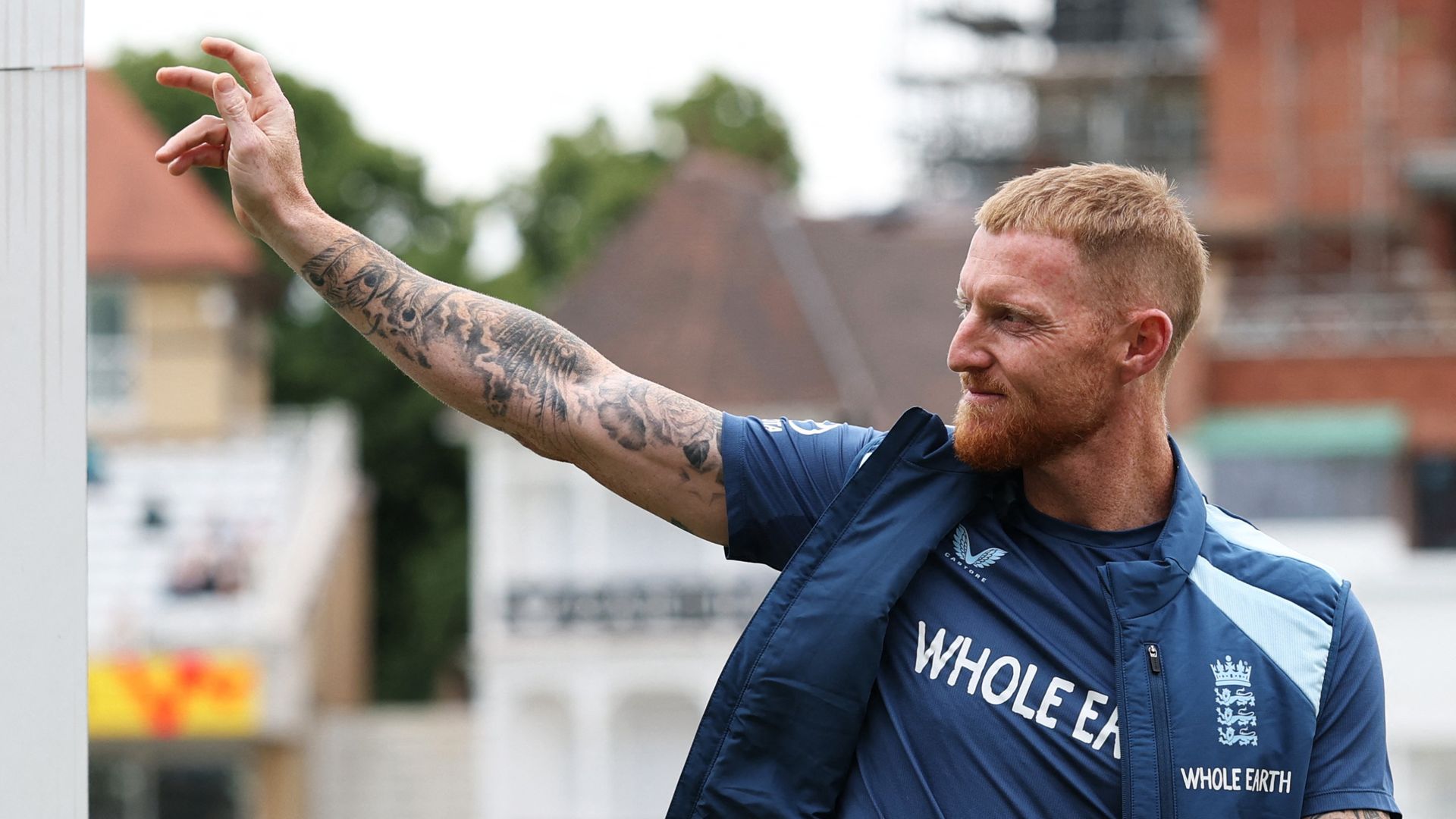
Ben Stokes was never going to walk away from international cricket with a polite wave and a tidy series victory. That is just not how his story works. It had to end with chaos, a nightclub curfew controversy, a dramatic mid-match retirement announcement, and a crushing 160-run defeat at Trent Bridge.
New Zealand clinically dismantled England on the final morning in Nottingham, securing a -1 series win. By bowling England out for 212 shortly after lunch on day five, the Black Caps did something they had only done three times before on English soil. They won a Test series away from home.
For England, it was their first home series loss of three or more Tests since 2012. It also left them with a miserable record of seven losses in their last nine Test matches. But the real story was happening in the dressing room. Stokes watched his final day of international cricket as a passenger, having blazed a quickfire 30 as an experimental opener the night before. His exit marks the official death of the original Bazball era, a philosophy built on chaotic adrenaline that finally ran out of gas.
The Boiling Point in Nottingham
The final day began with a flicker of hope but collapsed into cold reality within twenty minutes. England resumed on 103 for 4, chasing a completely unrealistic target of 373. They needed a miracle from Joe Root. Instead, they got a masterclass in New Zealand efficiency.
Nathan Smith removed Emilio Gay for 10 with a sharp edge to the wicketkeeper. Four balls later, a catastrophic mix-up ended in disaster. Henry Nicholls gathered the ball at backward point and fired a brilliant direct hit to run out Root for 18. The ground fell silent. The remaining fight felt purely academic.
Jamie Smith played a lonely, aggressive hand of 60, putting on 75 runs with Gus Atkinson to delay the inevitable. Mitchell Santner eventually broke through, trapping Atkinson leg-before for 19 before catching Smith in the deep off his own bowling. When the final wicket fell, New Zealand celebrated a historic comeback after losing the first Test of the summer.
Burnout and the Curfew Crisis
The match was entirely overshadowed by what happened on Sunday afternoon. Fifteen minutes before the tea break on day four, the England and Wales Cricket Board dropped a bombshell. Stokes was retiring from all international cricket at the end of the match.
The 35-year-old later admitted he was completely fried. He had spent four years pouring every ounce of his physical and emotional energy into the captaincy. He described the opening Test at Lord's as a strange week that brought back negative feelings about his career. A severe facial injury in February and a grueling winter tour of Australia had already pushed his body to its absolute limits.
But the retirement cannot be separated from the friction bubbling behind the scenes. Just weeks earlier, Stokes and Atkinson broke a midnight team curfew after the Lord's victory. Management reacted fiercely, dropping the captain from the second Test at the Oval, which England promptly lost by 253 runs.
Though Stokes was cleared of further wrongdoing and returned to lead the side at Trent Bridge, the damage was done. Former players like Michael Vaughan quickly pointed out that a clear fracture in trust had formed between the talismanic all-rounder and the ECB hierarchy. Stokes himself hinted at the strain, noting that something simple had ended up becoming incredibly complicated. He chose to jump before the system broke him completely.
The Legacy of English Cricket's Ultimate Renegade
It is easy to look at the messy end and forget how high the highs actually were. Stokes finishes his international career as one of only two players in Test history to clear 7,000 runs and take more than 250 wickets.
He was the undisputed architect of England’s greatest modern achievements. His unbeaten 84 in the 2019 World Cup final dragged England to their maiden 50-over world title. Weeks later, his ridiculous 135 not out at Headingley secured an impossible Ashes victory against Australia. He won a T20 World Cup. He transformed a broken Test team into a global attraction alongside head coach Brendon McCullum.
| Format | Matches | Runs | Wickets |
|---|---|---|---|
| Test | 122 | 7,000+ | 250+ |
| ODI | 114 | 3,400+ | 74 |
| T20I | 43 | 585 | 26 |
The aggressive style they championed changed the way Test cricket was played. They chased down 299 against New Zealand at this exact ground four years ago to kick off their revolution. It is poetic irony that the same opposition returned to Trent Bridge to bury that very era.
Where England Goes From Here
The romantic phase of English cricket is over. McCullum and managing director Rob Key face a harsh reality check. Seven defeats in nine matches is a crisis for any elite side. The ultra-aggressive philosophy that once looked brilliant now looks predictable and reckless.
With Stokes returning to play exclusively for Durham, England must find a new identity and a new red-ball captain. The immediate next steps require cold, hard structure rather than vibes and ideological purity.
First, the ECB must appoint a permanent Test captain who can bridge the gap between technical discipline and tactical bravery. Zak Crawley or a revitalized Joe Root will need to stabilize a top order that routinely throws its wickets away.
Second, the management needs to enforce a culture shift. The curfew incidents showed a team that believed its own hype, feeling entirely unaccountable to standard team discipline. McCullum has to prove he can coach a structured, winning side when the emotional high wears off. England cannot keep relying on individual miracles to mask structural flaws. The era of the individual savior is officially done.