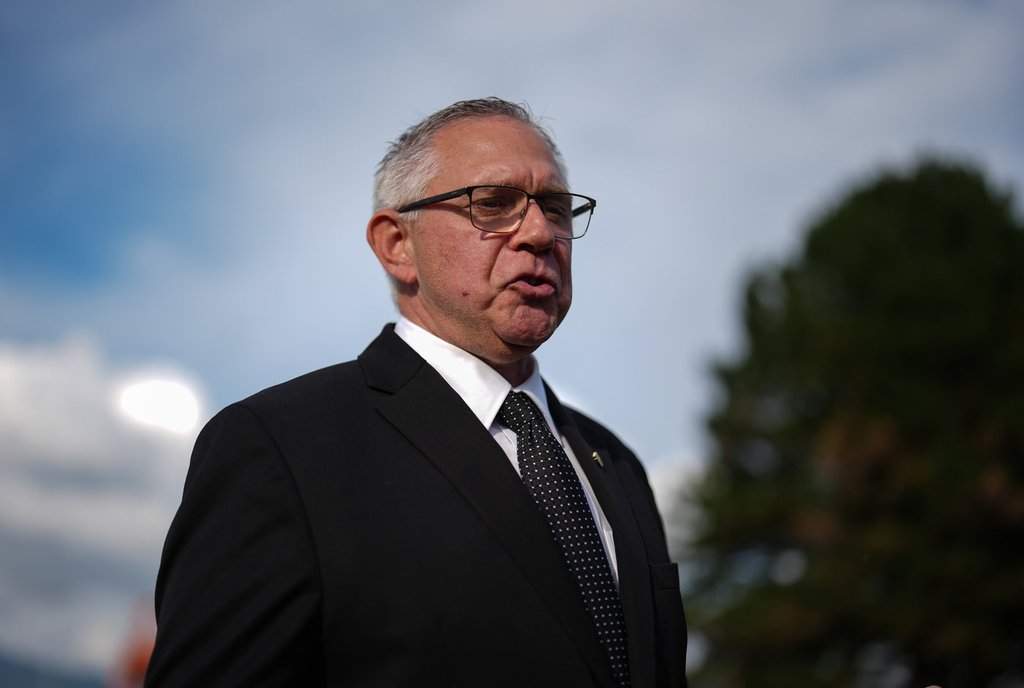
Voters in British Columbia are furious, and a fresh Angus Reid Institute poll proves it. David Eby just called a snap election, and citizens aren't having it. The recent data shows the BC Conservatives pulling ahead at 43 percent among decided and leaning voters. Meanwhile, the BC NDP has dropped down to 35 percent.
That is an eight-point swing in a matter of days. If you thought this campaign would be a smooth ride for the incumbent government, you missed the mood on the ground entirely.
People are tired. Housing costs remain absurd, healthcare wait times are breaking records, and daily living expenses keep climbing. Pulling the trigger on an early vote feels self-serving to a massive chunk of the electorate.
Why the Snap Election Backfired So Quickly
Timing matters in politics. When a premier calls an election earlier than expected, they invite a specific kind of public backlash.
According to the poll data, roughly 65 percent of respondents believe Eby is prioritizing his own grip on power over the actual interests of the province. That is a brutal indictment. Even more telling? About two-thirds of the province thinks going to the polls right now is way too soon.
This isn't just coming from opposition supporters. Over half of NDP voters agree the timing feels wrong. When your own base questions your tactical choices, you have a massive problem.
The Conservative Surge Comes With a Catch
Don't mistake the BC Conservative lead for unconditional love. Shachi Kurl, president of the Angus Reid Institute, pointed out a critical detail that most casual observers miss.
About half of British Columbians still express concern that the BC Conservatives aren't quite ready to govern. That hesitation even exists among a fifth of their own voting base.
Voters aren't necessarily handing over a blank check. They are punishing the incumbents. There is a massive difference between voting for a party because you love them and voting for them just to kick the current crowd out.
Where Do the Greens and Undecideds Fit In?
The BC Greens sit at 12 percent in this recent survey. At the same time, roughly one-in-five voters admit they are still undecided.
Only 35 percent of people claim they are completely certain about their choice. That leaves a massive block of movable voters who will decide the outcome over the next few weeks. Campaigns are won and lost in the margins. If the conservatives want to seal the deal, they have to prove they can handle the economy and public services without stumbling.
Pay attention to how candidates address cost-of-living pressures rather than getting dragged into national distractions. The voter base wants practical answers. Watch the debates, track local riding polls, and look past the political theatre to see who actually offers real solutions.


