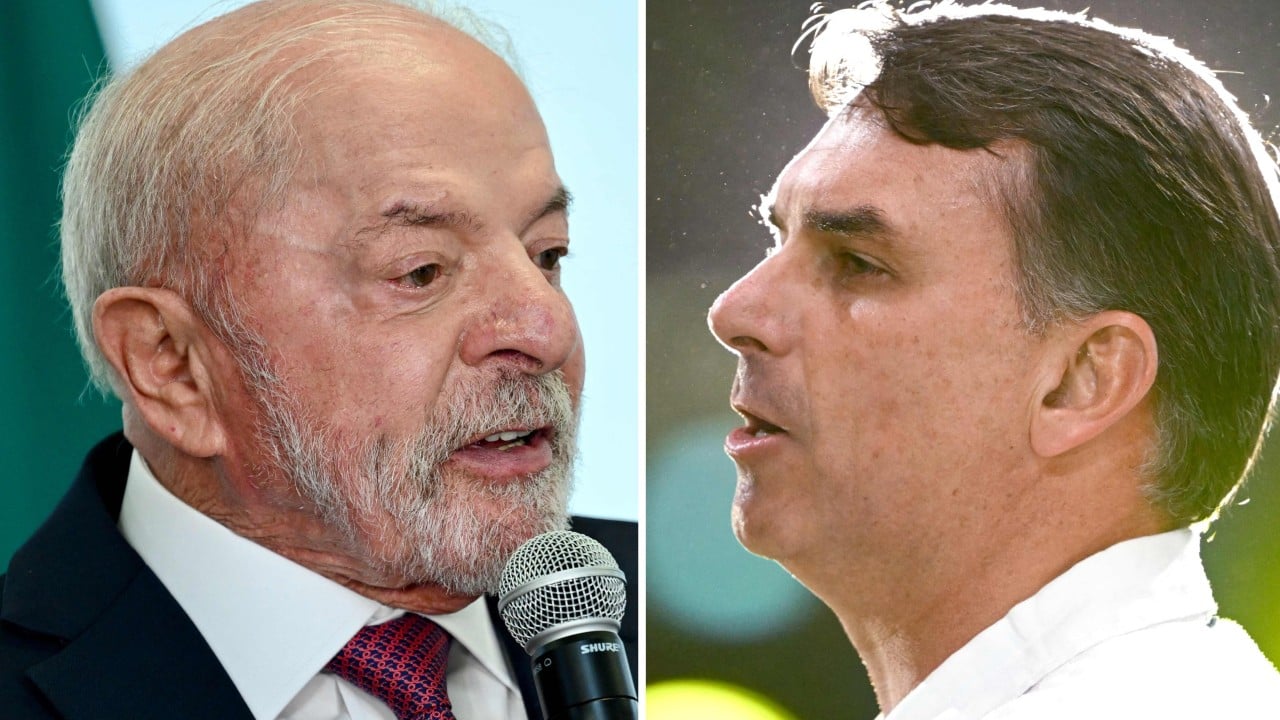
Brazil is bracing for an election showdown that feels less like a traditional democratic vote and more like a high-stakes brawl. Incumbent left-wing leader Luiz Inácio Lula da Silva finds himself locked in a dead heat as he faces off against conservative Senator Flávio Bolsonaro, standing in for his jailed father, Jair Bolsonaro. With millions of voters heading to the polls this weekend, the final scramble for the presidency has turned into a masterclass in dirty tricks, last-minute policy maneuvers, and fierce cultural warfare.
If you are trying to understand why Latin America's largest economy is so deeply fractured right now, you have to look past the standard talking points. Both campaigns have completely abandoned high-minded policy debates in favor of aggressive mudslinging. Lula, now 80 years old and running for another term, has spent the final stretch of the campaign trying to shield his base while rolling out emergency voter-pleasing measures. Just days before the crunch vote, his administration took the drastic step of banning online gambling and introducing a debt-relief plan aimed at pulling everyday Brazilians out of a crushing household debt spiral.
On the other side, the Bolsonaro camp is fighting tooth and nail despite facing massive headwinds. Flávio Bolsonaro, carrying the political torch while his father serves a 27-year prison sentence for a 2022 coup plot, has leaned heavily into right-wing populism. Trump has kept a watchful eye on the race, and the echoes of regional conservative victories are ringing loud in the background. Yet, the right-wing campaign has been battered by scandals, including a high-profile inquiry into a disgraced banker's film funding pledge that clipped their momentum.
Instead of talking inflation, infrastructure, or foreign policy in the closing hours, the two frontrunners sparked a bizarre, fierce cultural war over Brazil's beloved Black Madonna, Our Lady of Aparecida. Lula's camp amplified a narrative linking the Bolsonaro clan to an old, abandoned 2007 legislative proposal that sought to strip the revered Catholic saint of her official status. Flávio Bolsonaro instantly shot back, labeling the claims fabricated nonsense designed to manipulate the Catholic majority. It is a brilliant window into modern Brazilian politics: when actual policy arguments stall, cultural flashpoints take the wheel.
Both candidates also chose to skip the final televised debate, opting instead to control their own narratives. Lula bypassed the studio cameras to appear on a popular YouTube podcast with millions of subscribers, while Bolsonaro accused the electoral court of censorship and stayed away. It tells you everything you need to know about where power lies in 2026. Traditional broadcast media debates are losing their grip, replaced by direct digital streams and hyper-targeted social media warfare.
As the first-round vote approaches, pollsters from AtlasIntel and other major firms show an absolute dead heat. If no candidate manages to cross the 50 percent threshold of valid votes this Sunday, the battle will drag on into an October 25 runoff. Grab your coffee and watch closely. This election isn't just deciding who runs Brazil next. It is testing whether polarized societies can survive their own political extremes.


