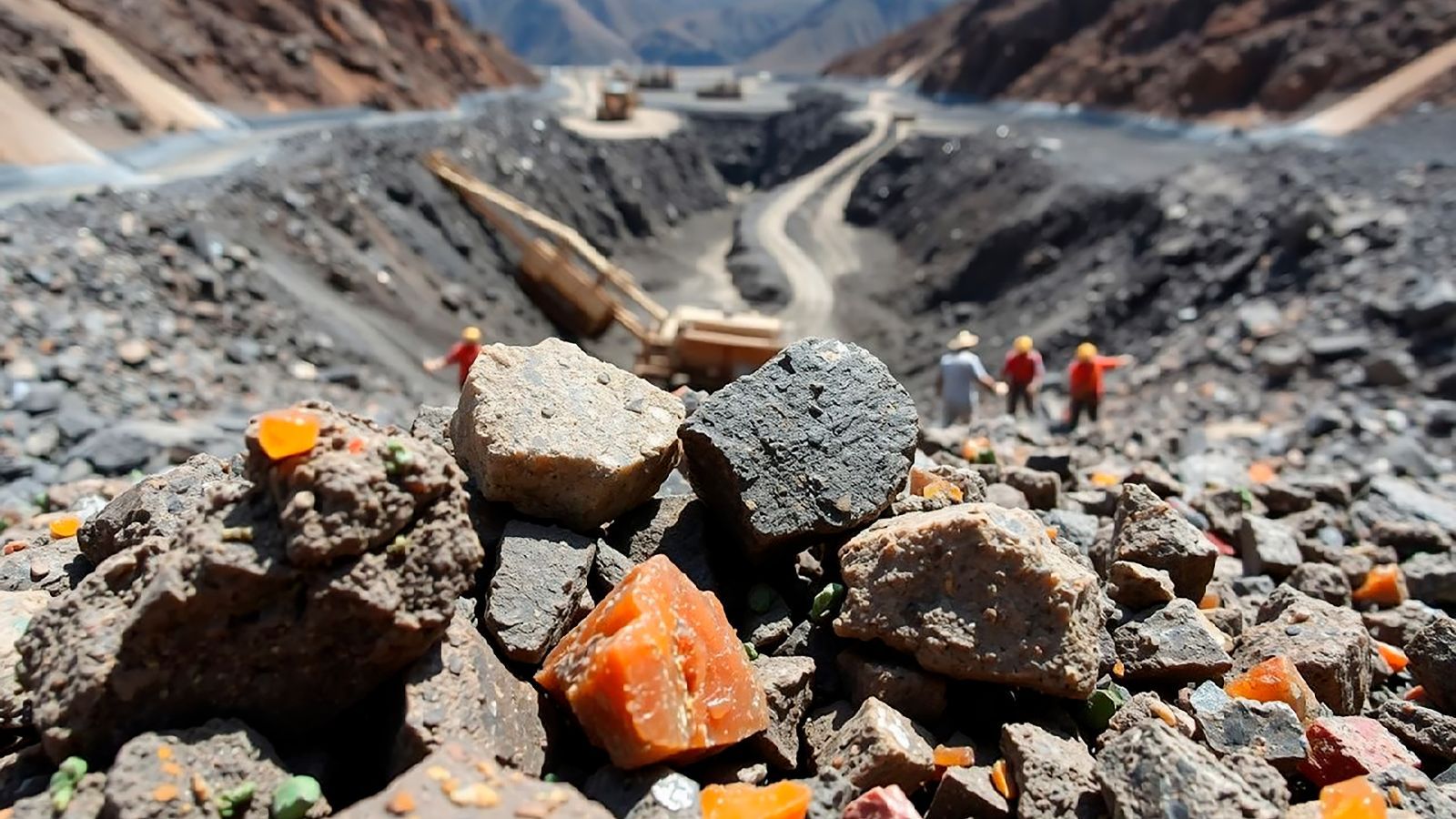
The world is thirsty for minerals. Specifically, the seventeen elements we call rare earth elements that make your phone, electric car, and fighter jets work. Right now, the United States and other Western nations are desperate to break China’s near-monopoly on these materials. Their eyes have turned to Brazil, a country sitting on the world’s second-largest reserves, but the path to production is getting messy.
Why Brazil Matters Right Now
Brazil isn’t just a tropical giant; it’s a geological goldmine for critical minerals. While the country currently produces less than 1% of the global output, the potential is staggering. We’re talking about 21 million tons of rare earths buried under the soil. Unlike hard rock deposits found elsewhere, Brazil’s reserves are largely in ionic clays, which are theoretically cheaper and easier to process.
For the U.S., the logic is simple: national security. Dependence on a single source for materials that power the entire modern economy is a massive strategic vulnerability. Washington is currently throwing billions in support—think $1.6 billion in various initiatives—to kickstart supply chains in places like Brazil to ensure that if a trade war erupts, American factories don’t just stop dead.
The Environmental Elephant in the Room
Here’s the part most reports gloss over: mining is dirty business. You can’t extract these minerals without consequences. The process often involves leaching, which can contaminate groundwater and leave behind toxic waste.
In Brazil, the tension between economic ambition and environmental reality is reaching a boiling point. The government recently pushed through legislative changes—like the bill creating a national policy for critical minerals—that critics argue prioritizes speed over safeguards. Indigenous communities are sounding the alarm, fearing that the "green" rush for minerals will cause more destruction in the Amazon and surrounding areas than it solves.
You’re seeing a classic clash of interests. On one side, companies are clamoring for mining permits to satisfy global demand. On the other, civil society groups are warning that Brazil’s environmental licensing system is being hollowed out. It’s essentially a "devastation bill" disguised as a strategic industrial policy.
The Financial Trap
Even if the environmental hurdles were cleared tomorrow, Brazil faces a massive financing problem. It’s not just about finding the dirt; it’s about having the cash to build the infrastructure to refine it.
Most Brazilian banks won’t accept mining rights as collateral for loans. This puts companies in a corner. They have to chase foreign investment. When that money comes from abroad—often tied to offtake agreements—the minerals don’t necessarily stay in Brazil to build a local industry. They get shipped off to the countries that paid for the mine. Brazil risks becoming a raw material supplier rather than a high-tech manufacturing hub.
If you look at the supply chain, mining is just step one. Without large-scale refining facilities, Brazil is just exporting clay. China didn't win by just mining; they won by controlling the entire vertical integration of the process. Brazil is nowhere near that level of maturity.
What Actually Happens Next
The race is on, but it’s a marathon, not a sprint. If you’re watching this space, keep an eye on these three indicators:
- Regulatory Stability: Watch how the new "National Policy on Critical and Strategic Minerals" plays out in the courts. If it faces heavy legal challenges from environmental groups, expect major project delays.
- Infrastructure Investment: Look for more than just mining permits. Unless we see real investment in local processing plants—not just raw extraction projects—Brazil’s "boom" will remain largely theoretical.
- Geopolitical Balancing: Brazil isn’t picking a side. They’re trading with both Beijing and Washington. Their goal is national development, not serving as a proxy in a U.S.-China supply chain war.
The "rare earth rush" is real. It’s bringing money and political interest to Brazil’s doorstep. Whether that results in a cleaner, more secure global supply chain or just another chapter of environmental degradation depends entirely on how the country manages its own laws and its own wealth.
Don't expect overnight results. The geological potential is there, but the bureaucratic and environmental landscape is a minefield.
Understanding the Brazil-US mineral connection
This video provides a solid breakdown of why the United States is actively trying to strengthen its mineral diplomacy with Brazil to counter market dominance by other powers.
http://googleusercontent.com/youtube_content/1