When a massive cold storage facility burns down, you expect chaos. You don't necessarily expect a multi-million-pound rotting food crisis that turns an entire neighborhood upside down, followed by a bitter war of words over who actually caused the mess. That is the reality playing out in East Los Angeles right now, where the operator of a burned-out warehouse insists it is taking the heat for a disaster it didn't start.
Lineage Logistics, the company behind the massive 500,000-square-foot facility on South Los Palos Street in Boyle Heights, finds itself at the center of a furious public backlash. Following a devastating fire in June 2026, roughly 85 to 89 million pounds of food sat trapped inside a structure without power, rotting away and triggering an unbearable stench, a swarm of pests, and intense community anger.
Yet, as local officials move to block rebuilding permits and residents demand accountability, Lineage is pushing back hard. The company argues it is being treated as a convenient target while the real culprits escape scrutiny.
The Anatomy of a Neighborhood Crisis
To understand why tensions are boiling over, you have to look at the sheer scale of the disaster. When the flames were finally extinguished, millions of pounds of perishable goods lost their refrigeration. What followed was weeks of grueling remediation work. Mountains of spoiled food had to be hauled out piece by piece while residents dealt with nauseating odors and waves of flies.
The political fallout was swift. The Los Angeles City Council stepped in to withhold reconstruction permits for the site, signaling that rebuilding won't happen easily or quickly. Regulators like the South Coast Air Quality Management District piled on with notices of violation over the toxic odors choking the community.
For people living blocks away, the frustration is entirely justified. When your neighborhood smells like a rotting landfill, you don't care about corporate finger-pointing. You want answers, relief, and guarantees that it will never happen again.
Shifting the Blame Upward
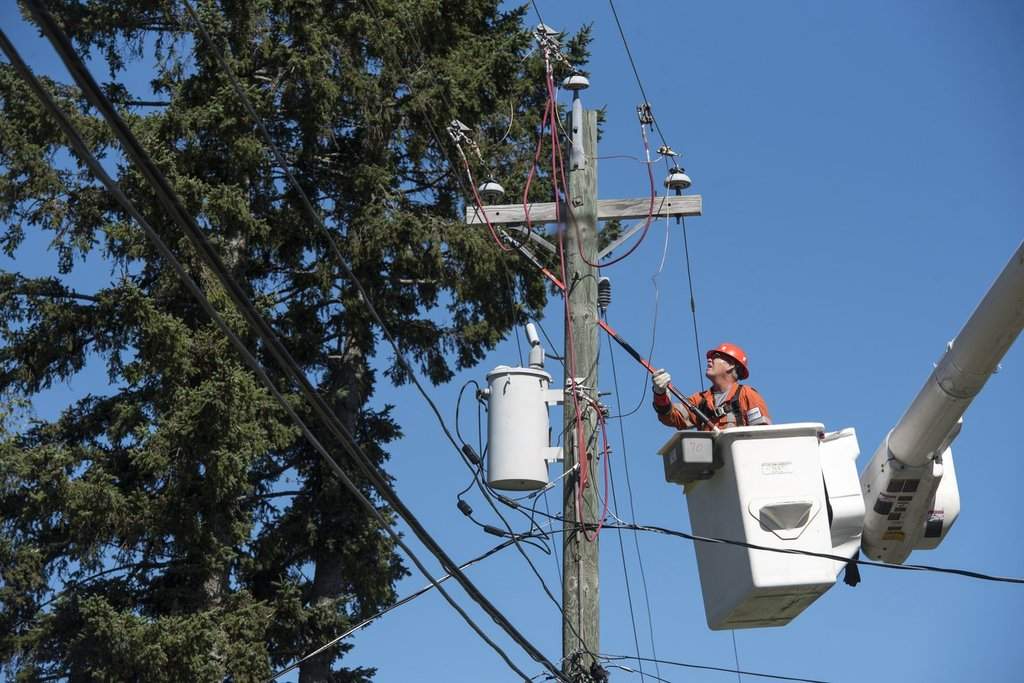
Lineage isn't just taking the hits quietly. The company has pointed fingers elsewhere, specifically targeting solar panel installation and maintenance contractors associated with the roof. According to legal filings and statements from the company, the origin of the fire points directly to roof work being performed shortly before the blaze ignited.
By filing legal actions against entities connected to the rooftop solar project, Lineage is trying to shift the narrative from corporate negligence to external contractor liability. They argue that external parties created the spark, leaving Lineage to deal with the catastrophic fallout while shouldering unfair reputational damage.
This defense strategy raises a broader question about accountability in modern industrial logistics. When massive facilities rely on third-party contractors for specialized upgrades like solar energy systems, who holds the ultimate risk?
The Regulatory Backlash and Local Politics
City leaders are caught between an angry electorate and massive corporate entities. Mayor Karen Bass issued emergency executive orders to accelerate cleanup and remediation, but the political appetite for punishing the warehouse operator remains high.
Withholding building permits is a powerful tool for the city council, but it also creates a stalemate. Boyle Heights needs economic stability and jobs, yet residents refuse to live next to a ticking time bomb of potential future hazards. Lineage wants to rebuild and restore operations, but local lawmakers aren't willing to hand over permits while investigations and lawsuits are still active.
The standoff highlights a growing friction point in urban logistics. Cold storage facilities are vital arteries for the food supply chain, but placing massive industrial refrigerators in densely populated residential areas always carries inherent risks. When things go wrong, they go catastrophically wrong.
What Happens Next
The fight over the Boyle Heights warehouse isn't ending anytime soon. Legal battles between logistics giants and solar contractors will drag on for months, if not years. Meanwhile, the local community remains hyper-vigilant, ensuring that city officials don't quietly hand out permits without strict new safety guarantees.
Lineage might argue it's being scapegoated, but regaining the trust of Boyle Heights residents will take a lot more than legal filings.
Boyle Heights residents fight flies and rodents after Lineage warehouse fire
This video provides an on-the-ground look at the community impact and the ongoing struggle residents face regarding the warehouse fallout.
http://googleusercontent.com/youtube_content/1