Imagine saving for decades, working exhausting shifts as a migrant laborer, and finally handing over your life savings to a trusted friend for a home. Now imagine finding out that "friend" didn't even own the place. He just hired a locksmith, broke into a vacant apartment, and faked the paperwork.
It sounds wild. But a recent court case out of Shanghai exposes just how easily scammers can exploit loopholes and personal relationships to steal hundreds of thousands of dollars. A man named Sun managed to swindle 700,000 yuan ($103,000) from a couple he knew for nearly 30 years. You might also find this related story interesting: Why King Charles Is Skipping The 369 Million Pound Buckingham Palace Move.
This isn't just a story about a bad guy getting caught. It's a massive warning sign about the deadly flaw in buying property through informal channels or relying purely on social connections.
The 30-Year Betrayal That Shocked Shanghai
The details of this scam are incredibly cold-blooded. Sun wasn't a stranger. He was a long-time friend of a married couple working as migrant laborers in Shanghai. When Sun got out of prison in 2017 after a previous fraud conviction, this couple took care of him. They bought him meals, lent him money, and gave him emotional support. As discussed in latest coverage by TIME, the implications are widespread.
Sun claimed he wanted to repay their kindness. Because he was a Shanghai local, he played up the persona of a well-connected insider. He told them he had a cousin on a village committee and access to cheap, off-market relocation housing.
For a migrant family desperate to secure a permanent home in one of the most expensive property markets in the world, it sounded like a dream.
Instead, it was a trap. From 2023 onward, Sun systematically drained the couple's finances. He took over 700,000 yuan in installments, claiming the money went toward property deposits and various administrative loans. He even tried to squeeze another 400,000 yuan ($59,000) out of them right before the whole house of cards collapsed.
Changing Locks on a Stranger's Flat
The actual mechanics of the scam show a terrifying breakdown in basic security. Sun didn't buy a flat to flip. He simply scouted a resettlement housing estate and found a unit that had been sitting empty for three months while the real owner, a man surnamed Wang, looked for tenants.
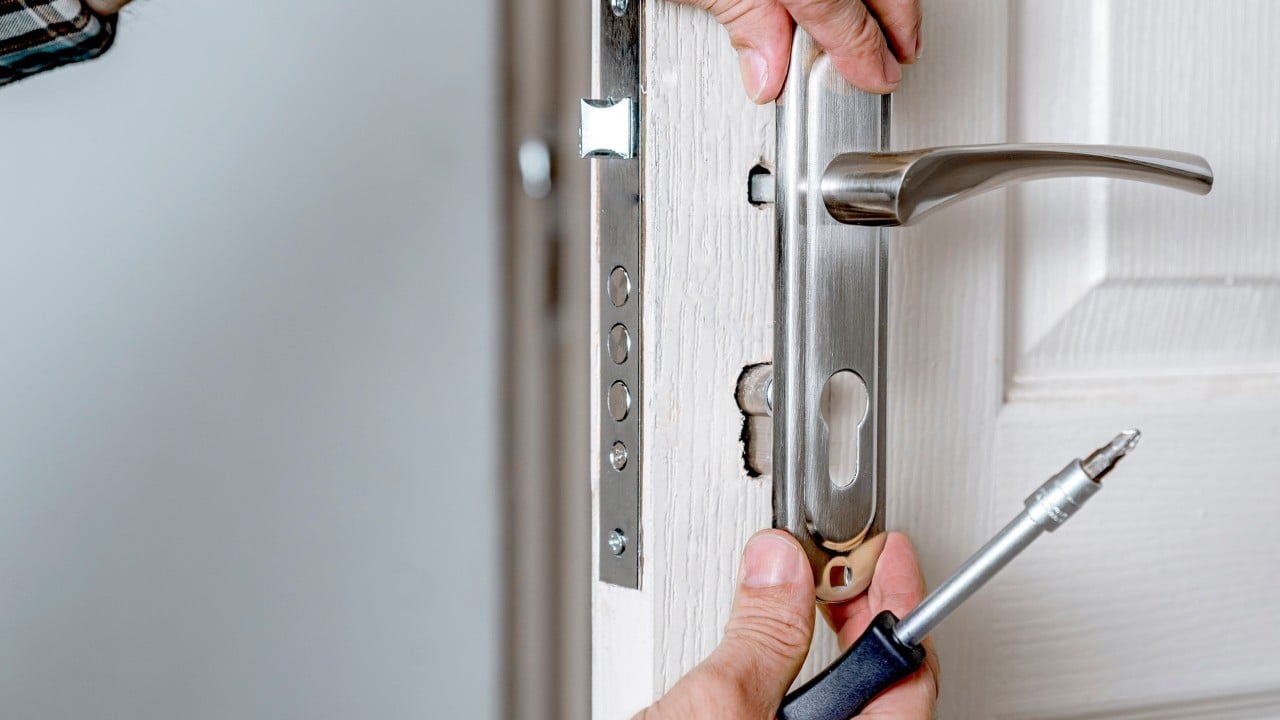
Sun called a local locksmith. Claiming he lost his keys, he got the locksmith to drill out the old lock and put in a new one. Shockingly, he did this without showing any proof of ownership.
Armed with a fresh set of keys, Sun took his friends on a walkthrough of the stolen apartment. They signed a completely fake sales contract, and he handed them the keys. They thought they were homeowners.
The scam unravelled in May 2025. The actual owner showed up with a prospective tenant and realized his key didn't fit. A quick look at the property's surveillance footage revealed the unauthorized lock change, and the police moved in.
The Devastating Reality for Victims
A local court handed Sun a sentence of 10 years and three months in prison for fraud, alongside a 100,000 yuan ($15,000) fine. But legal justice doesn't fix the financial ruin.
Sun already spent every single yuan of the couple's money to pay off his personal debts and fund his daily life. The money is gone. For a working-class couple, recovering from a $103,000 hit is virtually impossible.
How to Protect Your Money in Informal Property Deals
This disaster happened because the buyers skipped basic due diligence out of trust. If you're looking at any real estate transaction, you absolutely cannot rely on an acquaintance's word.
Here's how you protect yourself from real estate fraud.
- Demand the Property Ownership Certificate: Never hand over a single dollar without seeing the official government property deed. In China, this is the Fangchanzheng. You must verify that the name on the certificate matches the ID of the person selling it.
- Run an Official Search: Don't just look at a piece of paper the seller hands you. Take the property details to the local real estate bureau or registration center to verify ownership, check for outstanding mortgages, or see if the property is flagged in legal disputes.
- Use Escrow and Official Channels: Never wire large sums of money directly to a personal bank account based on a handshake deal. Use official bank escrow services where funds are only released once the title transfer is legally finalized.
- Question Locksmith Vulnerabilities: If you own a vacant property, check on it regularly or ensure your real estate agent has tight control over access. The fact that a locksmith changed a lock without verified paperwork shows that physical security is only as good as the human enforcing it.
Relying on social networks to cut corners or score a discount usually ends badly. If a property deal feels incredibly cheap, or if someone pressures you to keep the transaction private and out of official government channels, walk away. True friends won't ask you to bypass the legal safeguards meant to protect your life savings.