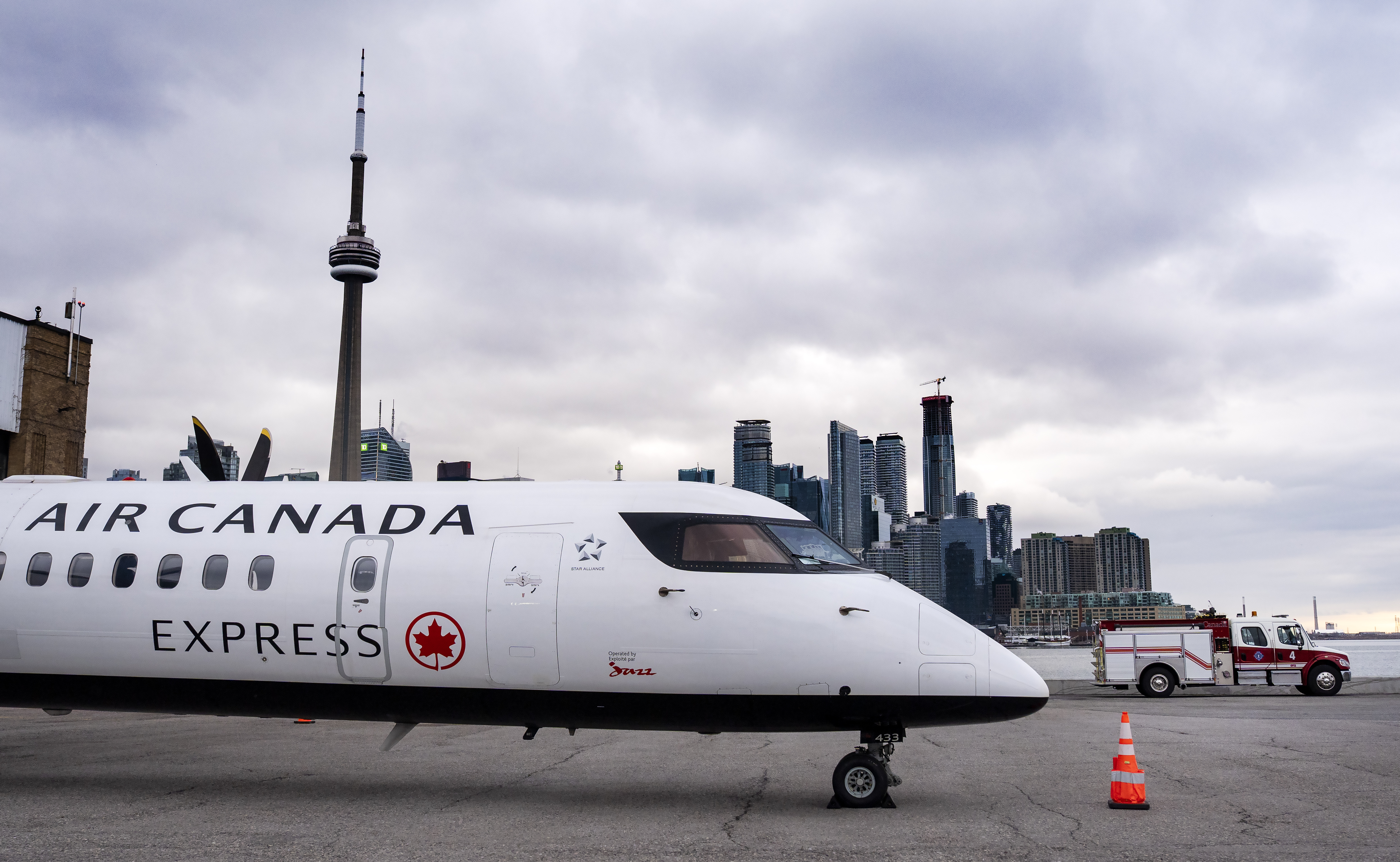
Federal authorities have officially pulled the plug on controversial plans to expand the Billy Bishop Toronto City Airport. If you've been following the ongoing feud between municipal leaders, provincial officials, and Ottawa, you know this decision brings a massive sigh of relief to downtown waterfront residents—and a sharp rebuke to Ontario Premier Doug Ford's administration.
Transport Minister Steven MacKinnon made it clear that Ottawa's focus remains locked exclusively on approved runway safety enhancements currently underway. Bigger jets and longer runways are off the table. For now, the island airport stays restricted to its current size.
The Public Backlash That Swamped Ottawa
You cannot ignore numbers like eighty-seven thousand. That is how many public responses Transport Canada received during its extensive online consultation process regarding the island airport's future.
Most local residents were loud and clear. They did not want a massive transit hub spitting out jet exhaust next to popular waterfront spots. Minister MacKinnon explicitly noted that the government will not pursue any initiative that infringes on treasured public spaces like Little Norway Park or Hanlan's Point Beach.
Noise pollution was another major turning point. Waterfront communities already deal with considerable aircraft sound from turboprops. Introducing larger commercial jets would have changed the acoustic profile of downtown living entirely.
The Housing Factor Versus Economic Growth
Why did this proposal spark such an intense political brawl?
Premier Doug Ford's camp argued that expanding the Billy Bishop Toronto City Airport could pump up to eight and a half billion dollars into Canada's economy annually, creating thousands of jobs and improving regional connectivity. On paper, those numbers sound attractive to business travelers and tourism advocates.
Municipal leaders saw a completely different picture. Toronto Mayor Olivia Chow pushed back hard against the province, accusing Queen's Park of executing a power grab after provincial legislation was passed to take over city-owned lands near the waterfront.
Ottawa ultimately sided with housing priorities. The federal government signaled that any expansion project hindering Toronto's ability to build much-needed housing on the waterfront was a non-starter. In a city grappling with a housing crunch, sacrificing land for airport infrastructure simply did not make political or social sense.
What Happens Next on the Waterfront
With the expansion dead in the water, the immediate fallout involves property and jurisdiction. Mayor Chow wasted no time demanding that the Ford government return city-owned land annexed for the expansion project back to municipal control.
Meanwhile, the Toronto Port Authority confirmed it is pivoting its full attention toward completing the mandated Runway End Safety Areas project. Those safety upgrades are necessary to keep the existing operation running smoothly, but they won't alter the footprint or bring in commercial jets.
The province insists it remains committed to future connectivity, but stopping Ottawa's participation effectively freezes any heavy construction. If you live downtown, you can finally breathe easier knowing your local park isn't turning into a tarmac anytime soon.