Public celebrations are supposed to be safe spaces. They are meant for joy, expression, and community. Yet, a vehicle driving into a crowd at Berlin Pride shatters that illusion instantly. One person died. Sixteen others sustained injuries. The reality of modern public security hits hard when chaos strikes a peaceful gathering.
You need to understand what happened, how emergency services reacted, and why city planners are completely rethinking how Pride events operate. Let's look past the breaking news headlines and talk about the real safety implications.
The Reality of Open Street Vulnerabilities
Cities love open streets. Pedestrian zones and festival routes encourage community engagement. They also create massive security headaches.
When a vehicle breaches a barrier, the results are catastrophic. Traditional traffic management relies on the assumption that drivers will follow signs and temporary road closures. That assumption fails when a driver acts maliciously or loses control entirely.
Berlin Pride draws massive crowds every single year. Protecting hundreds of thousands of people spread across miles of city streets requires an astronomical amount of logistical coordination. Fixed bollards stop trucks, but temporary parade routes often rely on police vehicles or plastic barriers. Those improvised blocks do not always stop a determined vehicle.
Security experts have warned about this exact vulnerability for years. Cities face a constant tug-of-war. They want open, welcoming events. At the same time, they must defend against vehicle-ramming tactics.
How Emergency Services Respond When Chaos Hits
Seconds matter during a mass casualty event. The Berlin fire department and medical response teams train specifically for large-scale incidents, but the chaos of a crowded parade route complicates everything.
First responders face immediate bottlenecks. When thousands of people panic and scatter, getting ambulances to the injured becomes an extreme challenge.
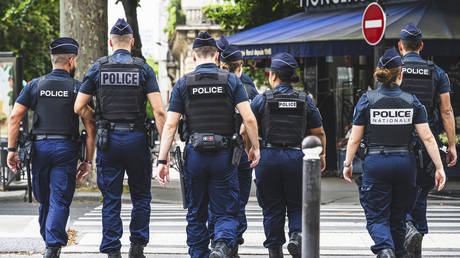
- Police secure the perimeter to prevent secondary threats.
- Triage stations pop up near the edges of the crowd.
- Transport corridors clear out to rush critical patients to nearby hospitals.
The speed of the medical response in Berlin saved lives during this tragedy. Even so, the psychological impact on the survivors and the first responders lingers long after the physical wounds heal.
What Event Organizers and Cities Must Change Now
You cannot protect every single inch of a city street without turning festivals into armed fortresses. That defeats the entire purpose of a Pride celebration. However, complacency is no longer an option.
Cities are shifting toward smarter, mobile defense mechanisms.
- Deploying heavy municipal vehicles at critical choke points rather than light barriers.
- Using real-time crowd density monitoring to spot suspicious movement patterns early.
- Improving communication channels between event marshals and local law enforcement.
If you attend large public gatherings, situational awareness matters. Always identify the nearest exit routes and keep your eyes open. Security is a shared responsibility between municipal authorities and the individuals on the ground.
Festivals will go on. People refuse to let fear win. But the infrastructure protecting those celebrations has to evolve right now.