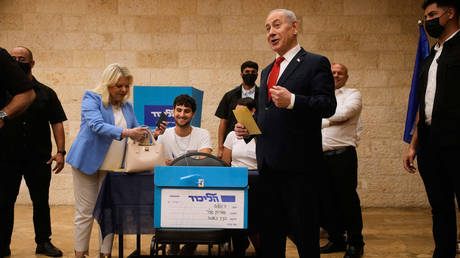
Israeli Prime Minister Benjamin Netanyahu dropped a bombshell claim during a phone interview with Channel 14, asserting that Iran attempted to assassinate one of his sons. "Iran tried to murder one of my sons," Netanyahu stated, using the dramatic revelation to justify heavy state-funded security for his family as a high-stakes general election approaches on October 27.
If you are trying to understand why this claim surfaced now, the timing points directly to intense domestic political friction. Netanyahu is currently locked in a fierce electoral battle where opposition figures are polling neck and neck with his coalition. The interview touched off a fierce debate over taxpayer-funded protection details, particularly regarding his elder son Yair, who has spent extended periods living in Miami, Florida, under the watch of elite Shin Bet bodyguards.
The Background Behind the Security Controversy
Security arrangements for the prime minister's family have long been a lightning rod for criticism in Israel. Back in July, the Ministerial Committee for Shin Bet Affairs approved extended personal protection for Netanyahu’s wife, Sara, and their two sons, Yair and Avner. This coverage was uniquely structured to continue even if Netanyahu loses office.
Critics have frequently slammed the arrangement as an unnecessary burden on taxpayers. Maintaining Yair Netanyahu abroad involves significant monthly expenses, including accommodations and round-the-clock details from Unit 730, the Shin Bet's elite protective service. By revealing that Tehran allegedly targeted one of his children, Netanyahu pushed back hard against these criticisms.
"This security protection is not a luxury," Netanyahu insisted during the broadcast. He argued that without rigorous, continuous defensive measures, foreign operatives would successfully carry out lethal attacks.
What Local Media and Intelligence Knew
While Netanyahu's public declaration stunned many viewers, domestic Hebrew media outlets quickly reported that the alleged plot was not entirely new. According to reports from Channel 12, the security establishment had been tracking information regarding the threat for several months, though details were kept under a tight military gag order.
Despite naming the threat, Netanyahu did not specify which of his two sons—Yair or Avner—was the intended target, nor did he provide a timeline or operational details of how close the plot came to execution. Local reporting noted that the targeted period likely coincided with times when Yair was residing outside of Israel, though intelligence agencies have kept specifics classified.
Political Fallout and the Election Context
The timing of the revelation intersects directly with a dispute over security provisions for political opponents. The controversy flared up after the Shin Bet reportedly declined to provide a full state security detail for Gadi Eisenkot, the former military chief and opposition leader running against Netanyahu. While the security agency ultimately stated it would permit armed guards for Eisenkot without directly supplying the manpower itself, Netanyahu publicly voiced support for giving him around-the-clock protection.
Netanyahu argued that political rivals and candidates must be safeguarded adequately to prevent tragedy amidst a volatile climate. Yet, opponents view the timing of the assassination claim as a tactical maneuver to neutralize public anger over elite family privileges just weeks before voters head to the polls.
As regional tensions remain dangerously high following direct military exchanges between Israel and Iran earlier in the year, the intersection of personal family safety and national electoral politics will undoubtedly dominate the final stretch of the campaign. Expect security protocols for high-profile figures to remain a flashpoint as the October vote draws closer.