Belgium is finally fixing a gaping hole in its national security that's been wide open for over two decades.
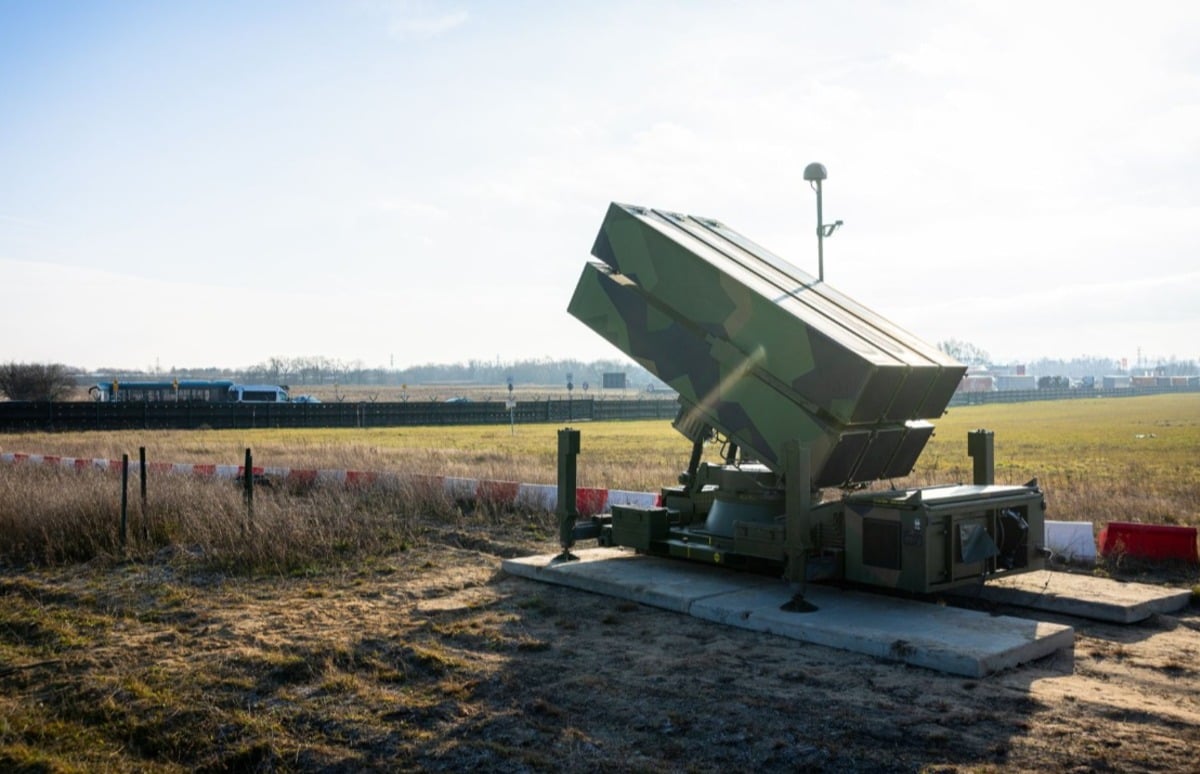
After dismantling its ground-based air defence networks back in the 1990s and letting its anti-air artillery collect dust, Brussels had been relying almost entirely on F-16 fighters and NATO allies to guard its skies. But times have changed. In a major move, Belgium signed an agreement alongside the Netherlands to acquire ten NASAMS (National Advanced Surface-to-Air Missile System) medium-range air defence batteries as part of a comprehensive €3.1 billion air defence package.
This isn't just a basic military procurement story. It's a fundamental shift in how Western Europe views territorial defence, critical infrastructure, and NATO burden-sharing.
The Two-Decade Security Gap Belgium Is Trying to Close
To understand why this acquisition is getting so much attention, you have to look at how unprotected Belgium actually was.
During the Cold War, Belgium maintained a serious, multi-layered air defence posture. It operated Nike Hercules batteries for high-altitude interception, MIM-23 Hawk systems for medium ranges, and short-range Roland missiles alongside Bofors L70 anti-aircraft guns. The 14th Air Defence Artillery Regiment kept watch over key logistics hubs and population centres.
Then the post-Cold War peace dividend hit.
By the late 1990s and early 2000s, Belgium scrapped or retired virtually every surface-to-air missile platform it owned. The logic back then was simple: why spend millions maintaining static air defence batteries when Europe is peaceful and the Air Force can handle intercepts?
That logic aged terribly. Modern warfare—specifically the threat environment made obvious by low-cost drones, cruise missiles, and loitering munitions—proved that relying strictly on multi-role fighter jets to intercept cheap aerial threats is financially unsustainable and operationally foolish. You don't launch a multimillion-dollar jet to shoot down a $20,000 drone or a fast-moving salvo of cruise missiles targeting a port.
What NASAMS Actually Brings to the Table
NASAMS, jointly developed by Norway's Kongsberg Defence & Aerospace and Raytheon (RTX) from the United States, isn't a new concept, but it's arguably the most adaptable medium-range air defence platform in NATO's arsenal today.
Here's why Belgium chose it:
- Flexible Missile Integration: NASAMS isn't locked into a single missile type. It can fire AIM-120 AMRAAMs, extended-range AMRAAM-ERs, and short-range AIM-9X Sidewinders. That operational flexibility lets commanders match the interceptor to the threat.
- Network-Centric Architecture: The system uses open-architecture fire control units that link seamlessly with NATO radar networks. It doesn't need to sit in one clustered spot; launchers, radars, and command posts can be dispersed kilometers apart to prevent a single enemy strike from taking out the whole battery.
- Battlefield Proven: Out of all modern medium-range systems, NASAMS has logged extensive real-world combat data over recent years, boasting high intercept success rates against mixed aerial salvos.
Belgium isn't buying NASAMS in a vacuum either. The €3.1 billion package pairs the 10 NASAMS medium-range batteries with 20 Skyranger short-range air defence systems from Rheinmetall. NASAMS takes care of medium-range jets, helicopters, and cruise missiles, while Skyranger's fast-firing guns and short-range missiles handle low-altitude threats and swarm drones.
It’s a true layered defence system.
Piggybacking on the Dutch: The Smart Procurement Play
Perhaps the most strategic detail of this deal is how Belgium is buying the equipment.
Instead of starting a lengthy, decade-long national procurement competition from scratch, Belgium signed a joint cooperation agreement with the Netherlands during the NATO summit in Ankara. Brussels is leveraging existing Dutch framework contracts to buy its NASAMS units.
"After twenty years without one, Belgium will rebuild its own powerful air defense capability with this joint purchase. This step is essential for the protection of our population and critical infrastructure," stated Belgian Defence Minister Theo Francken.
This piggybacking strategy gives Belgium three massive advantages:
- Speed: Skipping initial tender processes cuts years off delivery timelines.
- Interoperability: Dutch and Belgian air defence units will share identical baselines, command-and-control software, and operational doctrines.
- Logistics and Maintenance: Shared spare parts, joint operator training, and combined maintenance hubs drastically lower the total cost of ownership over the platform's multi-decade lifecycle.
For a nation hosting critical NATO command structures and major European maritime trade gateways like the Port of Antwerp, speed and seamless alliance integration aren't optional—they're necessities.
The Real Winner: The European Industrial Dilemma
While Prime Minister Bart De Wever and Defense Minister Theo Francken have pushed the deal through, it hasn't come without domestic debate.
Political discussions in Brussels have highlights the delicate balance European nations must strike between American and European defence contractors. NASAMS gives you top-tier capability, but its primary interceptors rely heavily on US supply chains (Raytheon). Meanwhile, European leaders are actively calling for greater "strategic autonomy" and increased spending within the EU defence industrial base.
Belgium tried to balance this by splitting the package: American-Norwegian technology for the medium-range layer (NASAMS) and German engineering for the short-range counter-drone layer (Rheinmetall Skyranger).
Looking ahead, Belgium's strategic military roadmap points toward adding long-range missile defence capabilities by 2029, which will undoubtedly ignite a whole new debate between US-made Patriot systems and European alternatives like the SAMP/T.
Practical Takeaways for Defence and Logistics Industry Observers
If you follow military procurement, European security, or defence contracting, here is what this Belgian acquisition tells us about where things are heading:
- Framework Agreements Are the New Norm: Expect more European nations to bypass standalone tenders in favour of joint procurements using an ally's pre-existing framework agreement.
- Ammunition Stocks Count More Than Launchers: Having 10 batteries looks great on paper, but operational depth relies on interceptor stockpiles. The real key to watching this rollout will be Belgium's initial missile buy numbers.
- Protecting the Rear Guard: European defence is no longer just about deploying troops to eastern borders. Securing western logistics hubs, energy terminals, and command centres against long-range strikes has returned as a top priority.
Belgium's decision to rebuild its ground-based air defence from scratch isn't just about spending money to hit NATO's budget targets. It’s a pragmatic, long-overdue admission that modern skies require constant, multi-layered vigilance.