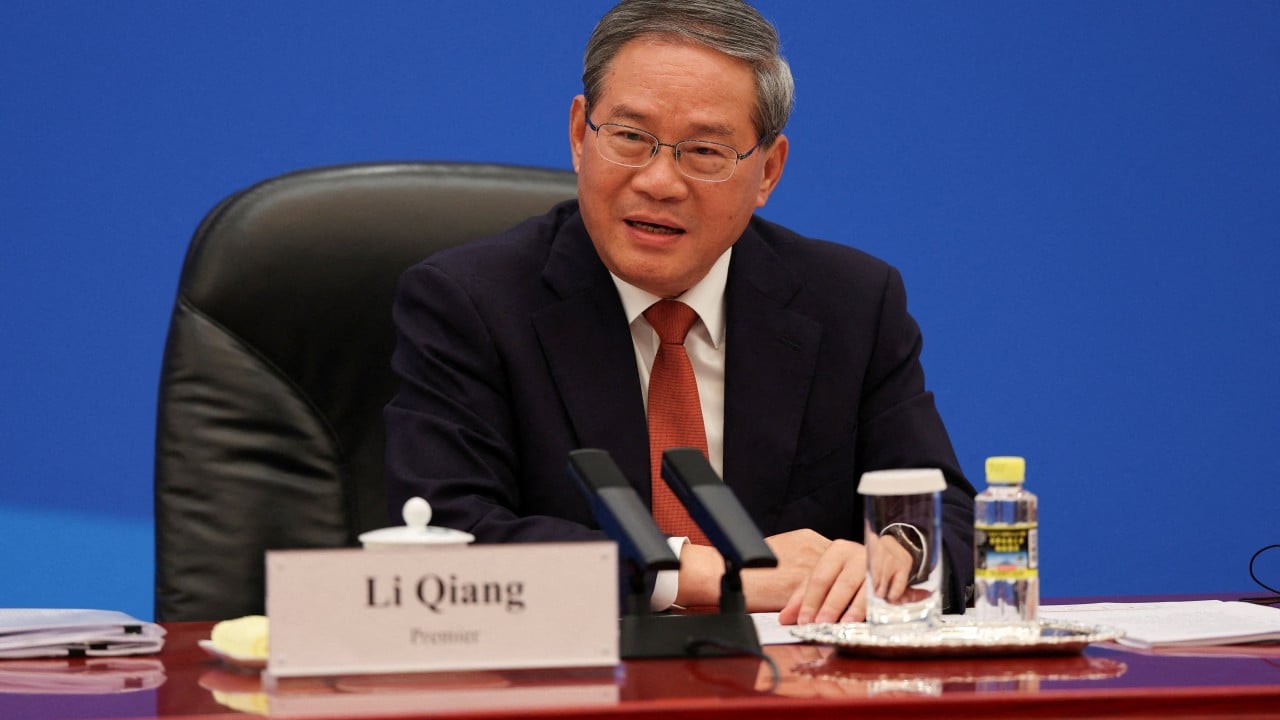
When Andy Burnham officially stepped into 10 Downing Street on July 20, 2026, replacing Keir Starmer after a turbulent period in British politics, world leaders rushed to send their diplomatic regards. Among the earliest messages arriving in London was a official note from Beijing. Chinese Premier Li Qiang extended his congratulations to Burnham, emphasizing that as permanent members of the UN Security Council and major world economies, Britain and China need to enhance dialogue and mutual trust.
Diplomatic notes like this happen all the time when a new head of government takes power. Yet the timing and tone from Beijing signal something deeper about how China views Britain's political shift. For anyone following international relations, this moment isn't just about polite political etiquette. It reflects a deliberate effort by Beijing to reset ties with a nation that has struggled with its foreign policy direction for a decade.
The Message Behind Premier Li Qiang's Words
Premier Li's statement was direct. He highlighted that stronger dialogue between London and Beijing doesn't just benefit both nations internally, it brings stability to global peace. He expressed a willingness to work alongside Burnham to build engagement, deepen trust, and steer what Beijing terms a "long-term, stable comprehensive strategic partnership."
To understand why this diplomatic gesture matters, you have to look at what preceded it. Under Starmer's administration, British foreign policy toward China bounced between cautious economic engagement and sharp security critiques. The British political scene was marked by instability, with six different prime ministers taking office in ten years. That high turnover created an unpredictable environment for international diplomacy and global markets alike.
When Burnham became Labour leader and subsequently Prime Minister, Beijing saw an opportunity for a reset. Burnham built his reputation as the "King of the North" during his years as Mayor of Greater Manchester. His political approach focused heavily on public transit, housing, local investment, and pragmatic infrastructure projects. That local governance track record makes him a different kind of leader compared to the traditional Westminster political establishment.
What Burnham Brings to the Diplomatic Table
Burnham enters Downing Street with a very specific focus on economic renewal and practical outcomes. During his time managing Greater Manchester, he regularly dealt with regional growth issues, public services, and infrastructure funding. He understands that domestic success requires reliable economic partnerships.
Beijing recognizes that Burnham's immediate priorities center on the British economy. In his initial address outside Downing Street, Burnham promised a "circuit breaker" moment for Britain, pledging to restore public services and manage the cost of living while maintaining fiscal prudence. He has emphasized bringing key services under public control and boosting regional manufacturing.
This practical focus creates a distinct backdrop for foreign relations. China remains one of Britain's largest trading partners, even during periods of diplomatic tension. While Washington often presses European allies to take a hard line on technology and trade restrictions with China, leaders like Burnham face a delicate balancing act. They must protect national security and domestic industries while keeping trade channels open to support domestic economic recovery.
How Britain's Foreign Policy Shift Impacts Relations
The relationship between the UK and China has gone through massive swings over the past decade. The mid-2010s were once labeled a "golden era" of bilateral relations, marked by major Chinese investments in British infrastructure, including energy and real estate. However, security concerns, trade disputes, and global geopolitical shifts severely strained that relationship over the subsequent years.
Burnham taking office gives both sides a clean slate to recalibrate. Beijing wants stability above all else. A British government that focuses on steady economic planning rather than sudden policy shifts fits Beijing's long-term foreign outlook much better.
Here is what both nations are balancing right now:
- Economic Realities: Britain needs investment in infrastructure, clean energy, and regional development. Chinese manufacturers and state-backed investors remain major global players in these exact sectors.
- Geopolitical Pressure: Burnham faces significant pressure from the United States and NATO allies to maintain a firm stance on security matters, human rights, and technology supply chains.
- Domestic Politics: British voters are weary of rapid political turnover and are focused on immediate issues like housing, transportation, and living costs. Burnham's survival depends on showing fast results at home.
Burnham's foreign secretary choice, Ed Miliband, and his chancellor, John Healey, suggest a cabinet focused on domestic stability and steady foreign affairs. By avoiding aggressive rhetoric in the opening days of his administration, Burnham gives his team space to evaluate foreign policy pragmatically.
Beyond Western Security Politics
When Western commentators analyze UK-China relations, they usually focus entirely on security warnings from Washington. But Beijing views the relationship through a broader economic lens. Premier Li's message specifically called out the role of both countries as major economic powerhouses and UN Security Council members.
China wants to avoid a complete bifurcation of global trade into isolated political blocs. Engaging constructively with European nations like Britain helps Beijing maintain crucial trade channels. Honestly, Beijing knows that British leadership cannot afford to turn its back on global markets if it wants to rebuild its domestic economy.
Burnham's local governance style was always about getting things built—buses, affordable housing, local train networks. If he carries that same pragmatic mentality into international trade, Britain's foreign policy might become far more transactional and focused on tangible outcomes than it was under previous prime ministers.
Key Steps for Following UK-China Diplomacy Moving Forward
If you want to track how this strategic relationship develops over Burnham's premiership, keep an eye on these specific indicators over the coming months:
- Trade and Investment Reviews: Watch how the new cabinet handles Chinese investment in British green technology and renewable energy projects.
- Ministerial Visits: Pay attention to whether high-level diplomatic visits resume between London and Beijing, particularly regarding economic and financial dialogues.
- Balance with Washington: Track how Burnham navigates high-level talks with the US administration while maintaining open communication channels with Beijing.
- Strategic Infrastructure Decisions: Observe how the UK government balances national security screening with the need for foreign capital in major infrastructure developments.
The early diplomatic note from Premier Li Qiang is a clear signal that Beijing wants a stable working relationship with Downing Street. How Andy Burnham responds over his first hundred days will establish whether this moment leads to practical cooperation or continued diplomatic friction.