Diplomacy moves at a glacial pace until someone forces a crack in the ice. China just approved Shigehiro Nishiumi as Japan's new acting consul general in Chongqing, bringing a sudden end to an eight-month vacancy that exposed deep political fractures between Asia's top two economies.
If you've been tracking regional politics, you know this wasn't just a routine personnel swap. It was a pressure test. For nearly three quarters, the diplomatic mission in southwestern China sat without a proper head because Beijing simply refused to process Tokyo's request.
The Cost of a Stalled Post
Consulates do the heavy lifting of trade, visa processing, and everyday communication. Leaving one dark at the top sends a loud message.
The vacancy started back on December 5 when former head of mission Mari Takada moved to lead the consulate in Shenyang. Tokyo wanted Shigehiro Nishiumi, formerly the deputy consul general in Hong Kong, to take over immediately. Beijing stalled. Japanese media pointed out the delay as early as January, while Chinese foreign ministry spokesmen offered the classic bureaucratic dodge that everything was being handled "in accordance with procedures."
Translation? Beijing was punishing Tokyo.
Why Relations Hit the Ice
The friction didn't happen in a vacuum. It traces back to November, when Japanese Prime Minister Sanae Takaichi made explosive comments in parliament. She suggested that a People's Liberation Army attack on Taiwan could threaten Japan's survival and trigger a military response.
Beijing reacted instantly. The retaliation rolled out in waves:
- Warnings against Chinese citizens traveling to Japan.
- Sweeping bans on Japanese seafood imports.
- Stricter export controls on dual-use military shipments and rare earth materials.
Takaichi didn't back down. Beijing didn't soften its stance. The diplomatic deep freeze settled in, making the empty consul general seat in Chongqing a very visible trophy of an escalating feud.
What Nishiumi Actually Faces Now
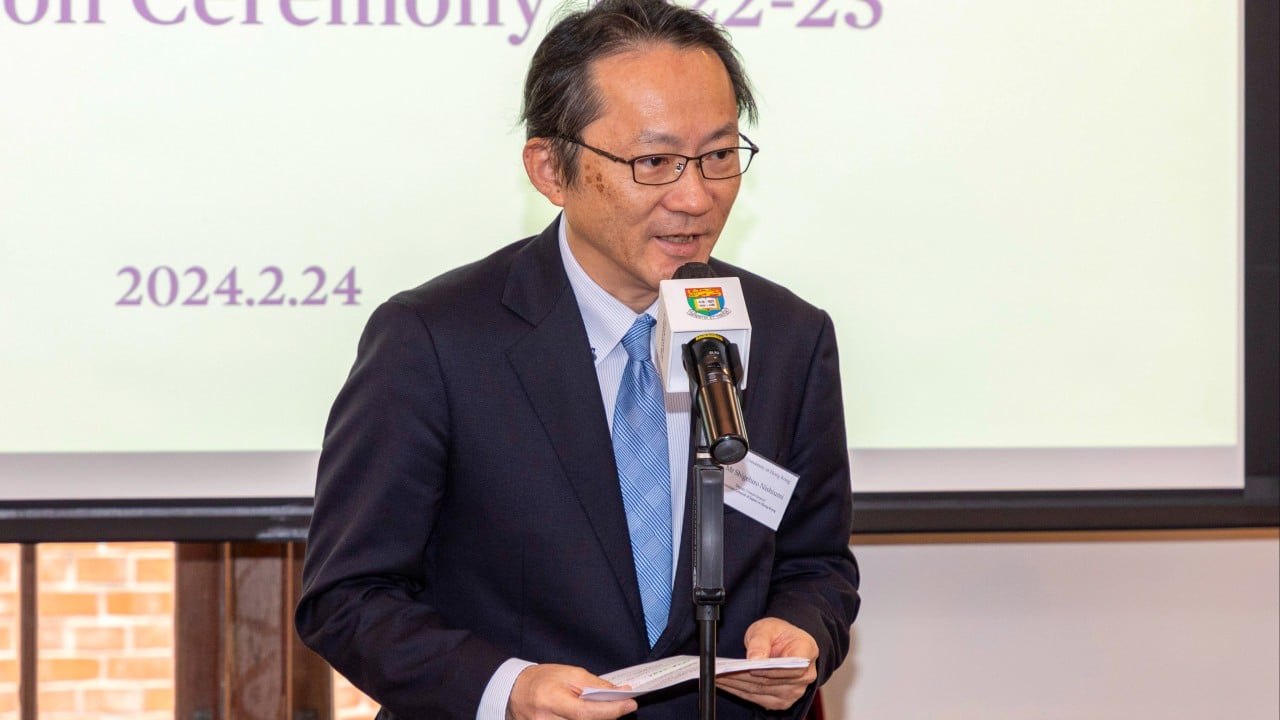
Shigehiro Nishiumi quietly stepped into the Chongqing mission on August 4, according to reports from Japanese news agency Kyodo. But don't expect a sudden thaw in overall bilateral relations just because an office finally has a boss.
The underlying tensions remain entirely intact. Japan continues pushing to upgrade its military capabilities, recently testing long-range missiles and tightening security ties across the region. China keeps expanding its naval drills and tightening controls over critical tech supply chains.
A single consular appointment doesn't erase a geopolitical storm. It just means both sides decided it was time to turn the lights back on in one room while the rest of the house remains tense. Watch the trade numbers next. If economic pragmatism starts overriding political rhetoric, this appointment might mean something. If not, it's just administrative housekeeping in the middle of a cold war.