The fragile peace in Yemen has officially shattered. When Saudi-backed government forces launched a massive offensive to retake areas around the Bab el-Mandeb Strait, they didn't just reclaim dirt roads and coastal towns. They ignited a fierce new chapter in a war everyone thought was cooling down after a four-year ceasefire.
If you've been following the shifting sands of Middle Eastern geopolitics, you know that whoever controls this narrow maritime chokepoint basically holds a chokehold on international commerce. Twelve percent of global trade flows right past these shores, connecting the Red Sea to the Gulf of Aden. When Iran-backed Houthi rebels seized territory here in early September—including Mokha and critical Red Sea islands—they threatened the lifeblood of shipping lanes. Now, the military pendulum is swinging back, and the human cost is climbing fast.
Breaking the Stalemate Along the Red Sea Coast
The counter-offensive didn't happen in a vacuum. After Houthi forces captured the strategic town of Turbah—a vital lifeline linking Taiz to the interim government seat in Aden—the Saudi-led coalition realized they were staring down a catastrophic strategic defeat. The response was immediate and overwhelming.
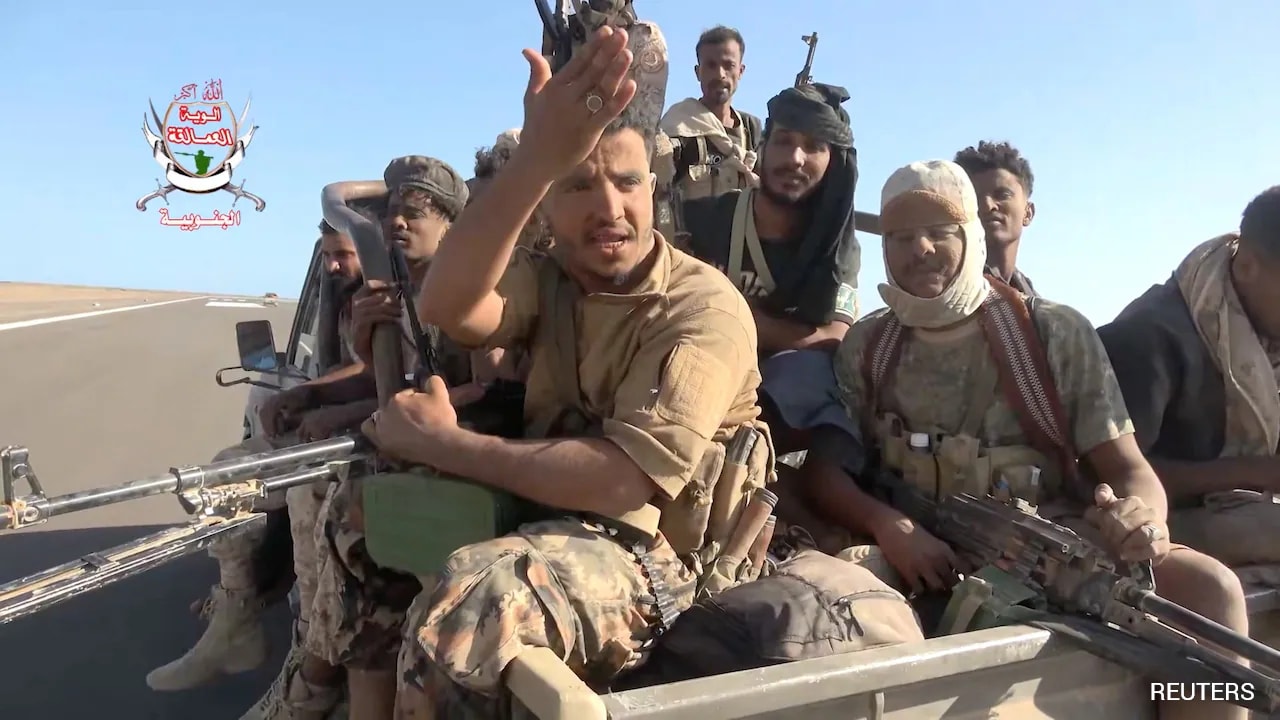
Government forces, backed by a staggering 100 fighter jets from the Saudi military coalition, pushed hard along the western coast. They retook Dhubab just north of the strait, alongside the towns of Bab and Hadeid. Tanks rolled into settlements that had fallen under insurgent control weeks prior. Rashad al-Alimi, head of the ruling Presidential Leadership Council, branded the operation "Yemen Dawn," making it clear that the ultimate goal isn't just holding ground—it's pushing all the way back to Sanaa.
But the Houthis aren't just sitting back. True to form, the rebel leadership answered with asymmetric warfare. They launched a coordinated barrage of ballistic missiles, cruise missiles, and explosive drones targeting Saudi infrastructure. Cities like Riyadh, Rabigh, Abha, Najran, and Jizan all reported incoming aerial threats, targeting civilian airports and oil refineries.
The International Footprint Expands
What makes this flare-up deeply dangerous is the widening circle of foreign involvement. It's no longer just a localized civil war.
Diplomatic and military alignments are shifting in real time. Following emergency meetings in Riyadh, the foreign and defense ministers of Pakistan and Turkey agreed to deploy military forces to the kingdom under existing defense pacts. While exact troop numbers remain under wraps, the signal is loud and clear. Regional defense architectures are buckling up for a sustained campaign.
At the same time, Washington's fingerprints are all over the current escalation. US Secretary of State Marco Rubio defended the right of the Saudi-backed government to fight back, confirming what intelligence analysts already suspected. The United States is actively providing intelligence sharing, target identification, and operational planning support to the coalition. It’s a sharp pivot from Washington's earlier withdrawal from direct combat roles in the region, driven by mounting fears over secure global shipping lanes.
The Humanitarian Crisis Deepens While Politicians Fight
Behind the grand military announcements and fighter jet sorties lies an unfolding human catastrophe. We are looking at a war that has already claimed more than 150,000 lives since it kicked off in 2014. This latest surge has displaced nearly 174,000 people internally, with thousands more risking treacherous sea crossings to reach Djibouti.
Hospitals and clinics across Taiz province are buckling under the pressure. Medical staff are trapped, supplies are running dangerously low, and vital health facilities in the coastal zones have been forced to shut their doors entirely. The World Health Organization estimates the death toll from this latest flare-up has already crossed 950 people, with thousands more wounded.
The strategy behind "Yemen Dawn" might temporarily secure the maritime choke points, but it guarantees that Yemen's suffering is far from over. As military commanders trade airstrikes for missile barrages, ordinary civilians are left paying the highest price for control of the strait.