Political rhetoric in South Asia often draws deeply from ancient epics, but a recent speech in Dhaka took historical analogies to a totally different level. Bangladesh Prime Minister Tarique Rahman invoked mythological tyranny during a major religious gathering, setting off intense discussions across the region. You've probably heard bits and pieces of the story, but the context behind this speech matters far more than the headline itself.
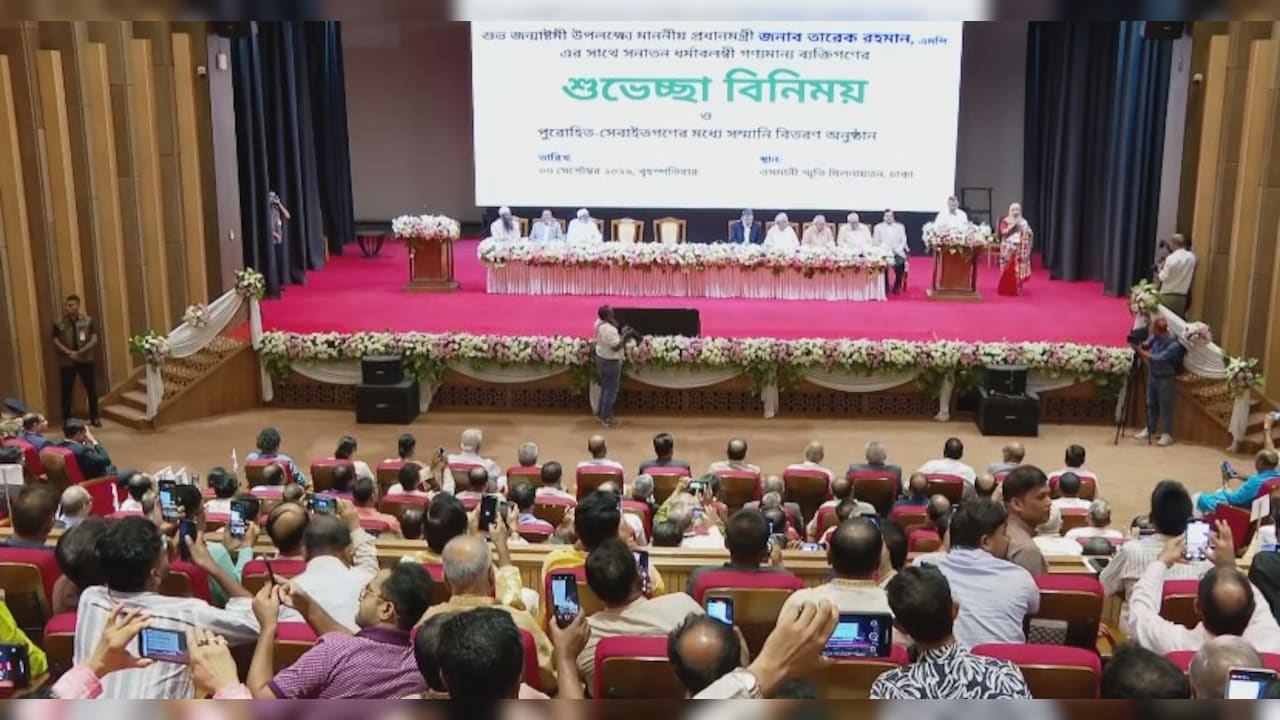
Standing before religious leaders, priests, and citizens at the Osmani Memorial Auditorium for a Janmashtami event, Rahman used the ancient tyrant Kansa to describe the ousted administration of former Prime Minister Sheikh Hasina. It was a sharp, calculated message delivered right before the Hindu community's celebration of Lord Krishna's birth. For a closer look into similar topics, we recommend: this related article.
The Mythological Analogy Explained
Why invoke Kansa at a state-backed religious event? Rahman walked the audience through the ancient narrative of Mathura, where Kansa ruled through fear, oppression, and the total stripping of democratic rights. He pointed out that oppressive rulers eventually fall when people unite against tyranny.
Without needing to spell out every single detail, the crowd understood the parallel instantly. Sheikh Hasina spent over a decade and a half in power before a massive popular uprising forced her out. By comparing her tenure to a mythological demon king, the current administration is actively shaping the official narrative of the post-Hasina political transition. It's a deliberate framing designed to cement the past government's actions as illegitimate and tyrannical in the public consciousness. To get more details on the matter, detailed coverage can be read at The New York Times.
Shifting Beyond Majority and Minority Identities
Beyond the fiery rhetoric against the former leadership, Rahman touched on a raw nerve in contemporary Bangladeshi politics: the safety and status of minority communities. Recent months have brought persistent anxiety and reported incidents targeting Hindus and other groups amid post-revolution law-and-order challenges.
Rahman directly addressed this tension by urging citizens to drop binary labels. He stated clearly that people shouldn't view themselves through the prism of majority versus minority identities. Instead, he pushed for a unified national identity simply built around being Bangladeshi.
To back up his words with tangible action, the administration executed an electronic fund transfer of financial honorariums directly to the bank accounts of temple priests and sebaits across the country. Concrete financial inclusion and direct outreach carry more weight than speeches alone, especially when minorities are looking for reassurance about their physical safety and religious freedom during upcoming festivals like Durga Puja.
Rebuilding From the Ground Up
The road ahead for Bangladesh isn't straightforward. Fixing a bruised economy, reforming a fractured administrative machinery, and restoring functional law and order require massive institutional overhauls. Rahman acknowledged these hurdles, emphasizing that the country is once again navigating toward democratic norms.
Critics might argue that leaning heavily on religious mythology distracts from systemic governance challenges. Yet, in South Asian politics, cultural symbols remain powerful tools for political mobilization and national healing. When leaders speak at community gatherings, they're balancing policy ambitions with emotional resonance.
If you're tracking the political stability of South Asia, watch how the government translates these promises of security into daily reality for ordinary citizens. Rhetoric about defeating tyranny plays well in an auditorium, but lasting peace depends entirely on protecting every community on the ground.