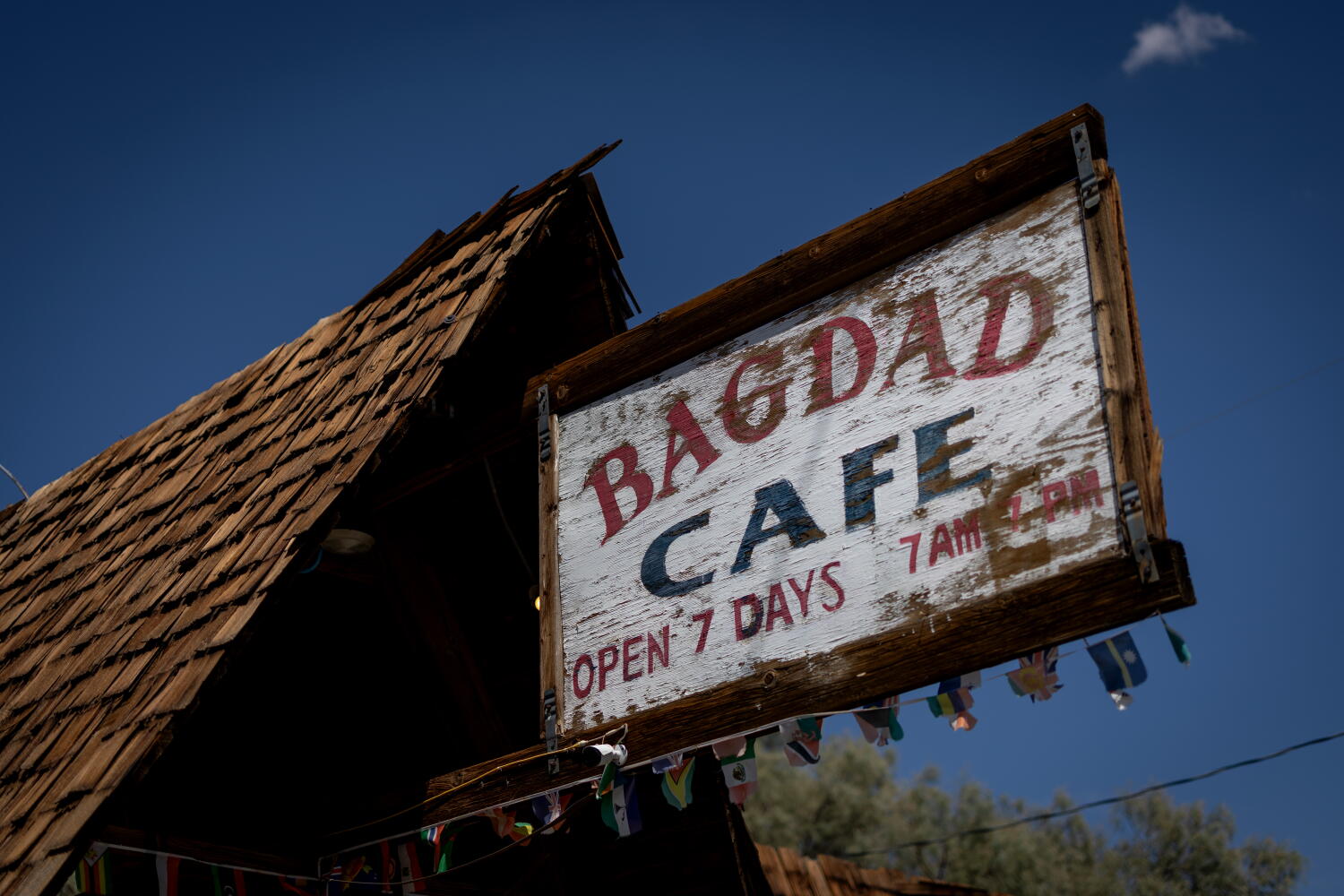
Drive down a desolate stretch of the Mojave Desert along Route 66, and you will eventually hit Newberry Springs. This is where the world-famous Bagdad Cafe sits, baking under a relentless sun. If you expect a bustling roadside diner with hot coffee and a line out the door, adjust your expectations immediately. The truth is, the place barely functions as a traditional eatery anymore. Yet, people fly thousands of miles from Brazil, France, and Germany just to touch its weathered walls.
The story of how a lonely pit stop became an international shrine reveals a lot about our collective obsession with fading Americana. Let us look past the romanticized movie posters and examine what is actually happening at this desert landmark. Expanding on this topic, you can find more in: Why Airport Flight Disruptions Like The Etihad Abu Dhabi Chaos Keep Happening.
The Myth Versus the Mojave Reality
Most travelers show up because they watched the 1987 cult classic film Bagdad Cafe. Percy Adlon’s indie hit turned a random roadside tavern into a cinematic legend. But movies lie about how hard it is to maintain a wooden building in the middle of nowhere.
Originally opened as the Sidewinder Cafe in 1958, the location adopted its famous moniker after the original town of Bagdad completely dried up and blew away further down the road. When Interstate 40 bypassed this section of Route 66, it drained the local traffic like pulling a plug from a tub. Most neighboring businesses folded within months. Observers at Condé Nast Traveler have provided expertise on this matter.
The cafe survived through sheer stubbornness, largely thanks to longtime owner Andrea Pruett, who managed the property for over three decades. When Pruett passed away at age 85 in January 2026, an era officially ended. Her dedication kept the doors unlocked through bankruptcies, fires, pandemic closures, and structural decay.
Surviving on Souvenirs and Community Grit
If you walk inside today, you won't be ordering a gourmet meal. The kitchen has been closed for years following fire damage and maintenance hurdles. Instead, you will find a room packed tight with layers of business cards, foreign currency, and handwritten notes left by global wanderers.
The business model relies entirely on selling Route 66 t-shirts, cold sodas, and coffee. It is a precarious way to stay alive. A few years ago, conditions got so desperate that buckets lined the interior floors to catch rainwater leaking through a ruined roof.
Change came not from corporate investors, but from grassroots survival tactics. Travel creators and preservationists—such as YouTuber Wonderhussy—stepped in to organize fundraisers and emergency GoFundMe campaigns. Those efforts pulled together enough cash to slap a brand-new roof over the building and keep the electricity running. Locals and family members continue to staff the counter, determined to honor Pruett’s legacy as Route 66 hits its historic centennial.
How to Visit the Bagdad Cafe Without Being a Nuisance
If you plan to add this stop to your next road trip, keep a few practical realities in mind. Do not roll up expecting full diner services or Wi-Fi. Pack your own water, check your vehicle's cooling system, and respect the people who keep the lights on.
- Manage your fuel: Gas stations in this corridor are sparse and expensive. Fill up in Barstow before heading east.
- Bring cash: While card readers sometimes work, cell service and satellite connections fail out here frequently. Cash talks loudest in the desert.
- Leave your mark responsibly: Add your sticker or note to the walls if you want, but buy a souvenir or drop a few dollars in the donation box to support ongoing maintenance. The structure only stands today because strangers cared enough to pay for its roof.
The desert reclaims everything eventually. For now, the neon sign keeps glowing against the dusk. Stop by before the wind takes the rest of it.