The global economy runs on narrow water channels. Right now, one of the most critical choke points is slipping away from international control.
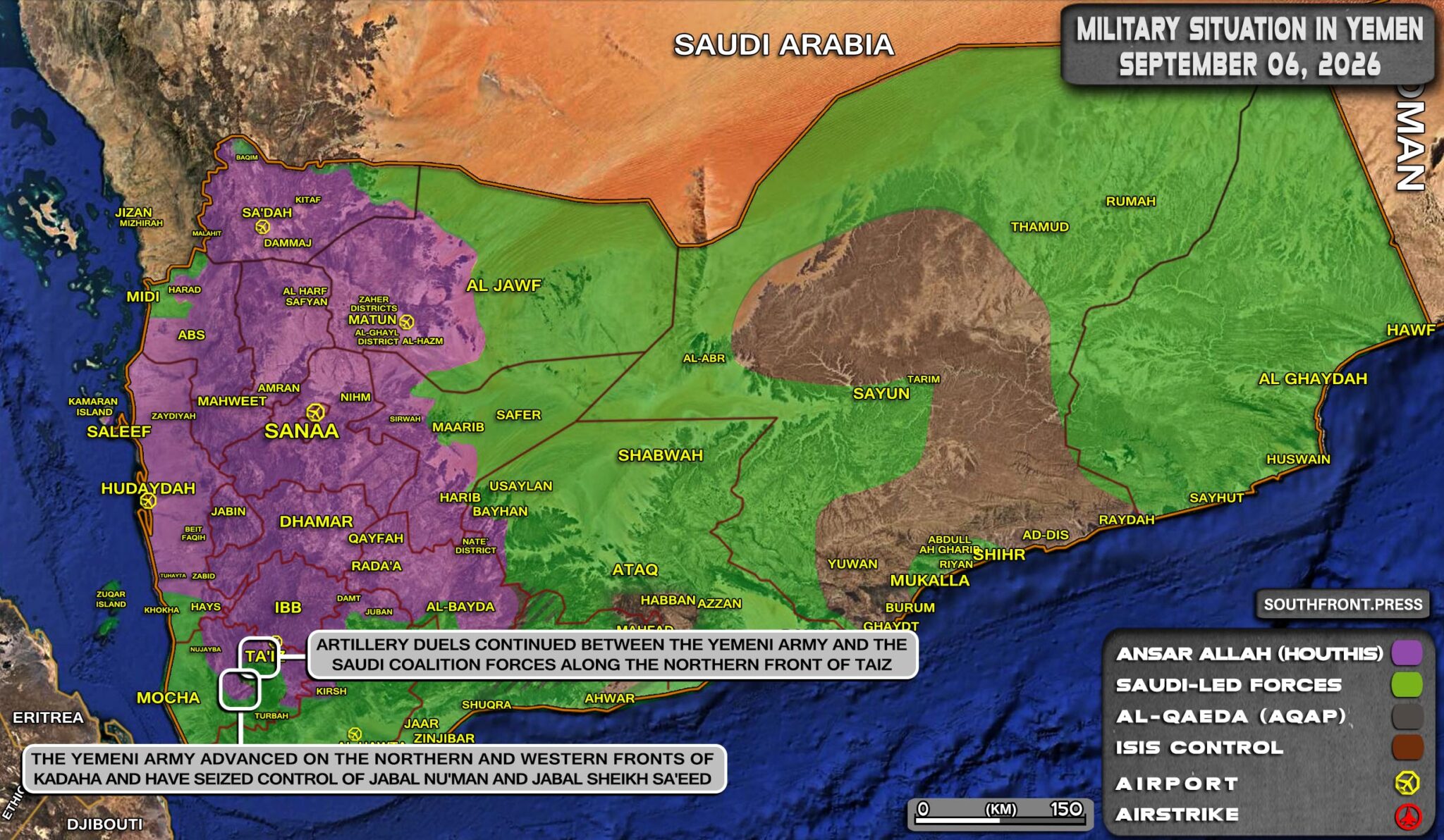
Yemen's Houthis are tightening their grip on the Bab el-Mandeb Strait. This narrow maritime corridor links the Red Sea to the Gulf of Aden, handling roughly 12 percent of global trade. When a non-state actor manages to fundamentally disrupt a route this valuable, it changes the calculus of international shipping for good. Shippers are no longer asking if a transit fee or a safety risk will hit them; they are rerouting entirely around the Cape of Good Hope, adding weeks to transit times and billions of dollars to supply chains. For an alternative perspective, consider: this related article.
The Strategic Importance of the Bab el Mandeb Strait
Geography dictates power. The Bab el-Mandeb measures just 18 miles wide at its narrowest point, sitting right between the Horn of Africa and the Middle East. It is the southern gateway to the Suez Canal. If you control the shores, you control the traffic.
For decades, naval powers assumed open transit was a given. Major navies patrolled the lane, keeping commercial vessels safe from piracy and localized conflicts. That assumption is dead. The Houthis changed the game by deploying asymmetric warfare—cheap anti-ship missiles, explosive drone boats, and coastal radar systems. They don't need a blue-water navy to project power. They just need elevation on the Yemeni coast and a steady supply of low-cost munitions. Related insight on this trend has been published by Associated Press.
Shipping giants like Maersk and Hapag-Lloyd learned this the hard way. They watched their container ships get targeted with ballistic missiles, forcing immediate suspensions of Red Sea transits. Once a major shipping lane becomes an active warzone, marine insurance rates skyrocket overnight. The cost-benefit analysis of using the Suez route evaporates in days.
The Ripple Effects on Global Supply Chains
When ships detour around Africa to avoid the Bab el-Mandeb Strait, the entire logistics map breaks.
Fuel consumption surges. Vessel availability drops because ships are spending an extra ten to fourteen days at sea per trip. This artificial shortage of container capacity mirrors the chaos seen during peak pandemic disruptions. Manufacturing hubs in Europe face component shortages, while retail inventories in North America experience unexpected delays.
Inflation follows logistics pain. Energy markets react instantly to any threat near these trade lanes. Liquefied natural gas shipments from Qatar to Europe face the exact same bottlenecks, driving up utility prices for millions of households. Consumers ultimately pay for every single mile added to a cargo ship's journey.
Why Traditional Naval Power is Struggling
Operation Prosperity Guardian and subsequent coalition strikes tried to restore order. They failed to crush the threat completely.
Air strikes can destroy mobile launchers, but insurgent groups embedded in rugged terrain are remarkably resilient. They hide equipment in caves, urban centers, and mountainous terrain. Traditional military doctrine struggles against a decentralized adversary that absorbs strikes and keeps launching sporadic attacks. You cannot bomb away an ideology or a deeply entrenched local militia with a few weeks of air campaigns.
International coalitions also face a political problem. Many nations depend on the Red Sea for trade, but few want to commit warships to a prolonged, active combat engagement so far from home. The political risk for allied governments becomes too high when a multi-million-dollar missile intercepts a cheap drone.
What Businesses Must Do Now
You cannot rely on historic assumptions about maritime stability anymore. Supply chain managers are rewriting their risk playbooks.
Diversification is no longer a buzzword. Companies must build buffer stock for critical raw materials, factoring in longer lead times as a permanent baseline rather than a temporary anomaly. Contracts with logistics providers need flexible routing clauses to handle sudden canal closures.
The era of cheap, frictionless globalization is over. The standoff at the Bab el-Mandeb Strait proves that regional conflicts can paralyze world commerce in real time, and the economic fallout will linger long after the smoke clears.