Global trade paths are cracking under the weight of regional conflicts, and the panic is entirely justified. When high-ranking officials state that the world is already suffering enough, they are not exaggerating. They are looking at shipping ledgers, soaring insurance rates, and empty cargo ports.
Qatar's recent warning regarding the Bab al-Mandab strait hits hard because the maritime choke point sits at the absolute center of global commerce. If this vital artery cuts off completely, supply chains will face a shock that makes previous disruptions look tame. Let us look at why this matters right now and what it means for the immediate future.
Understanding the Bab al-Mandab Threat
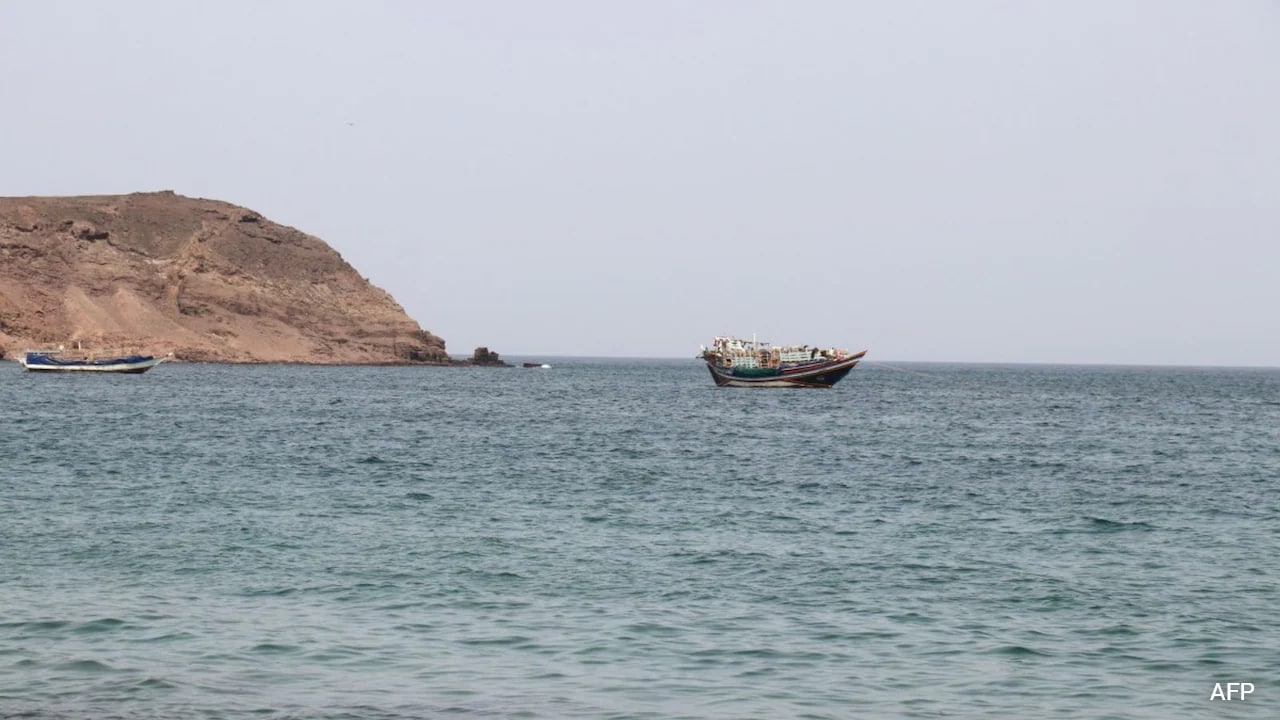
Geography dictates vulnerability. The Bab al-Mandab strait connects the Red Sea to the Gulf of Aden, acting as a shortcut between Asia and Europe via the Suez Canal. Thousands of ships pass through this narrow corridor every single year, carrying everything from crude oil to consumer electronics.
When regional instability spills over into shipping lanes, the economic damage spreads instantly. Recent Houthi advances along the Red Sea coast have put international monitors on high alert. Combine this reality with the ongoing closure of the Strait of Hormuz, and you get a dual crisis.
Here is what you need to understand about the stakes:
- Energy flows depend heavily on open maritime paths.
- Rerouting around the Cape of Good Hope adds weeks to transit times.
- Shipping companies pass every extra dollar of cost directly to consumers.
The Domino Effect on Global Supply Chains
Most people think supply chains work like clockwork. They do not. They work like fragile glass statues. When one piece shatters, the rest takes the impact.
Shipping liners already lost months of predictable scheduling due to previous disruptions in the region. Bypassing the Red Sea forces captains to take the long way around Africa. That extra distance burns massive amounts of marine fuel. It ties up container ships longer than planned. Suddenly, port congestion spikes, equipment shortages return, and retail prices climb.
Qatar foreign ministry official Ibrahim Al Hashmi pointed out the obvious during recent statements. The international community cannot simply absorb another major maritime shutdown without catastrophic economic consequences. Yet, diplomatic efforts remain strained, and military postures in the region keep hardening.
What Businesses and Consumers Should Expect
You cannot control geopolitical flashpoints, but you can plan for their fallout. If you manage inventory, rely on imported goods, or track energy commodities, hope is not a strategy.
Inflationary pressures tied to logistics are sticky. Once freight rates jump, they rarely return to previous baselines overnight. Companies sourcing from Asian manufacturing hubs bound for European markets face persistent delays.
Smart supply chain planners are already diversifying inventory routes, holding higher safety stock locally, and hedging against freight rate volatility. Ignoring the warning signs coming out of the Middle East is a gamble you are bound to lose.
Keep an eye on maritime security updates, watch insurance premiums for hull risk in the Red Sea, and adjust your operational timelines before the next major bottleneck hits.


