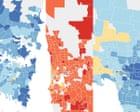
The Australian property juggernaut is hitting a wall. For years, buying a home felt like boarding a runaway train that refused to slow down. Now, winter data from Cotality shows property values trending down across most capital cities, with Sydney taking the hardest hit.
If you are waiting for a crash to scoop up a bargain, you need a reality check. While headline figures point downward, the reality on the ground is messy, uneven, and heavily dictated by price point and location. High-end property markets are sliding fast, but entry-level homes keep defying gravity. Borrowing power has shrunk because of interest rate hikes, meaning millions of prospective buyers remain locked out despite the slight price dips. Don't miss our recent article on this related article.
What is driving the shift
Interest rates are the main culprit here. Higher inflation numbers have forced the Reserve Bank's hand, keeping mortgage repayments elevated and severely denting how much banks will actually lend you. When borrowing capacity drops by tens or hundreds of thousands of dollars, buyers simply cannot bid what they used to.
At the same time, shifting tax settings for investors have taken the steam out of the market. Investors used to flood auctions with cheap cash. Now, they are counting costs and pulling back. To read more about the background of this, Wikipedia provides an informative breakdown.
Yet, looking at Australia as a single housing market is a mistake. Cities like Brisbane, Perth, and Darwin have still recorded double-digit growth over the past twelve months. The downturn isn't universal. It is concentrated in areas that ran too hot, too fast during the post-pandemic property boom.
Where the biggest falls are happening
Suburbs that experienced the most aggressive price spikes during the boom are now seeing the sharpest corrections. High-end real estate is leading the downward charge. Luxury homes and prestige postcodes are shedding value quickly because discretionary wealth takes a direct hit when economic conditions tighten.
Conversely, the affordable end of the market is holding firm. First home buyers armed with low-deposit government schemes are fiercely competing for entry-level houses and apartments. If a suburb offers properties under the median price point, it tends to absorb the shock of rate hikes much better than affluent postcodes.
Analysts often describe recent drops as a minor correction rather than a disaster. After a fifty percent surge following the pandemic, a few percentage points shaved off the top is barely a scratch for long-term owners sitting on massive paper gains. But for recent entrants who bought near the peak, the drop is causing genuine financial strain.
What this means for your next move
Stop trying to time the bottom of the market. Timing property markets is basically impossible, and waiting for a massive collapse usually leaves you renting while inflation eats your deposit.
If you want to buy, look closely at your borrowing capacity under current stress tests rather than what the bank offered you six months ago. Focus on entry-level segments where demand from first home buyers provides a natural price floor. Avoid chasing prestige suburbs that soared on cheap debt; they have much further to fall if economic headwinds intensify.
Evaluate your personal timeline. If you plan to live in a home for a decade or more, short-term winter price drops matter very little. Buy what you can comfortably afford, ignore the panic headlines, and focus on the fundamentals of the property itself.