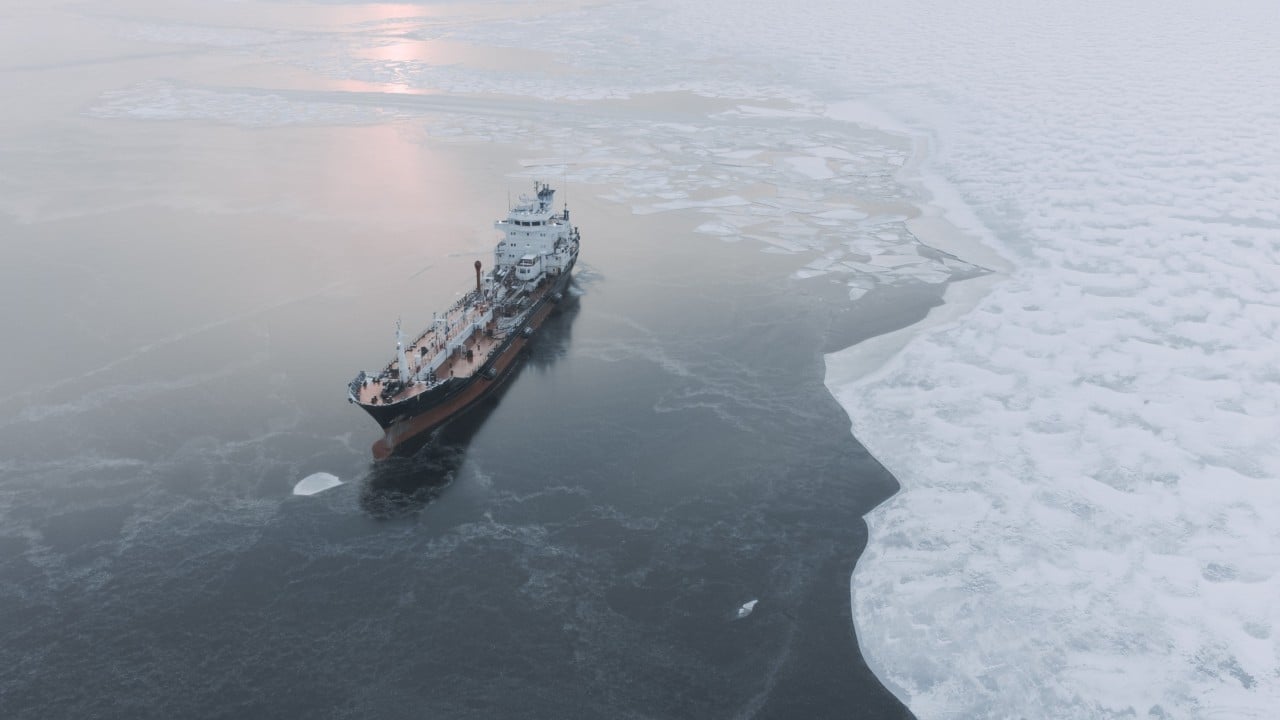
Traditional maritime trade lanes are cracking under the weight of climate change, rising geopolitical tensions, and chronic security chokepoints. That is why major Asian economies are turning their gaze northward, racing to lock down commercial viability along Russia's icy northern coastline.
India recently announced plans to dispatch its very first pilot cargo vessel through the Northern Sea Route next year. New Delhi is joining a high-stakes northern migration alongside China and South Korea, both of which are already moving past experimental trials into scheduled commercial transit.
If you think this is just about shorter distances on a map, you are missing the bigger picture.
The Geography of the Northern Shortcut
The math behind the Northern Sea Route is hard to ignore. For nations trying to move goods from East Asia or South Asia to northern European ports, navigating past Russia's Arctic coastline slashes travel distances by up to 40%.
Instead of braving the crowded Suez Canal—where regional conflicts and safety hazards frequently threaten vessel traffic—ships utilizing the Arctic passage can shave roughly two weeks off standard journey times.
China grabbed a massive head start here. Beijing launched its first scheduled weekly container service via the Polar Silk Road, sending massive carriers like the Dubai Tower and the Istanbul Bridge from eastern hubs straight toward European ports. South Korea is right behind them, treating Arctic commercialization as a top-tier state priority with Seoul pushing for year-round operational capabilities by 2030.
For India, the calculation involves a blend of pragmatic logistics and grand strategy. Bilateral trade targets with Moscow are scaling rapidly, and Russian oil imports have surged. Pushing north lets Delhi bypass Western maritime headaches while strengthening economic ties to Russia's Far East through vital links like the Chennai-Vladivostok trade corridor.
What Gets Overlooked in the Hype
Headlines love to paint the melting Arctic as an open-for-business highway, but maritime reality is far messier.
Receding sea ice opens a navigable window roughly from July through October, but conditions remain brutally harsh. Commercial vessels cannot just cruise up north on a whim. They require specialized nuclear icebreaker escorts operated by state entities like Russia's Rosatom, steep insurance premiums, and specialized hull designs.
Search-and-rescue infrastructure across the high north is sparse at best. If a mega-container ship runs into trouble thousands of miles away from major deep-water ports, help is a long, expensive way off.
Experts also point out a fundamental geographic mismatch. While the Northern Sea Route is a stellar shortcut between northern Europe and East Asia, it does absolutely nothing to ease energy flows coming out of the Middle East. Middle Eastern oil and gas feed a massive share of India and China's daily energy demands. The Arctic route cannot replace traditional chokepoints like the Strait of Hormuz or the Strait of Malacca. Think of it as a seasonal supplement, not a wholesale replacement for global maritime arteries.
Navigating the Next Steps
If you are tracking international trade logistics or supply chain resilience, watching how these pilot runs perform over the next twenty-four months is essential.
- Monitor insurance and operational costs: Watch how rising marine insurance rates impact the true bottom line of northern transits compared to traditional southern routes.
- Track infrastructure investments: Pay attention to how deep-water ports in Russia's Far East and northern terminals scale up capacity to handle container transfers.
- Factor in environmental scrutiny: Anticipate tighter global regulations from environmental watchdogs targeting black carbon and heavy fuel oil usage in fragile polar ecosystems.
The ice at the top of the world is thinning, and the race to control the next generation of global trade lanes is already moving at full speed.
China Launches Regular Arctic Shipping Service Linking Asia Europe
This video provides a helpful look at how China's newly launched regular container shipping service navigates the Northern Sea Route from eastern ports toward Europe.
http://googleusercontent.com/youtube_content/1