Markets hate uncertainty. Right now, global traders are dealing with a messy mix of sluggish regional indexes, fluctuating US stock futures, and energy costs that refuse to cool down. If you are trying to make sense of why your portfolio feels like a roller coaster, you aren't alone.
World shares are sliding while oil prices press higher, creating a difficult environment for investors trying to navigate the second half of the year. Let's look at what is actually driving these moves and what you need to watch next.
The Asian Market Divergence
Asia isn't moving as a single block. Tokyo's Nikkei 225 recently gave up early gains, slipping about 0.3% after the Japanese government revised its April-June quarterly economic growth rate upward to an annualized 1.4%.
Sounds good on paper, right? Not quite.
As Norihiro Yamaguchi of Oxford Economics pointed out, that initial policy-driven consumption boost is fading fast. Supply-side inflation is accelerating because local firms are forced to pass rising costs directly onto everyday consumers, eroding household purchasing power.
Meanwhile, South Korea's Kospi pushed higher, climbing roughly 1% thanks to sustained buying power in computer chip giants like Samsung Electronics and SK Hynix. Over in China, the Shanghai Composite edged up slightly following a solid 25% year-on-year jump in August exports, heavily fueled by international demand for high-tech items and autos.
It is a mixed bag. Strong tech exports in one corner clash directly with cooling consumer demand and stubborn inflation in another.
Currency Pressures and Intervention Fears
You cannot talk about Asian equities right now without looking at the foreign exchange market. The US dollar recently slipped against the Japanese yen, dropping toward 153.47 after briefly flirting with the 160 threshold just weeks prior.
Why the sudden shift? Traders are terrified of a joint currency intervention by US and Japanese financial authorities. When currency swings get too violent, governments step in to stabilize their domestic money supply. If you're trading cross-border assets, these sharp currency corrections can wipe out your gains overnight if you aren't paying attention.
Why Oil Prices Keep Creeping Upward
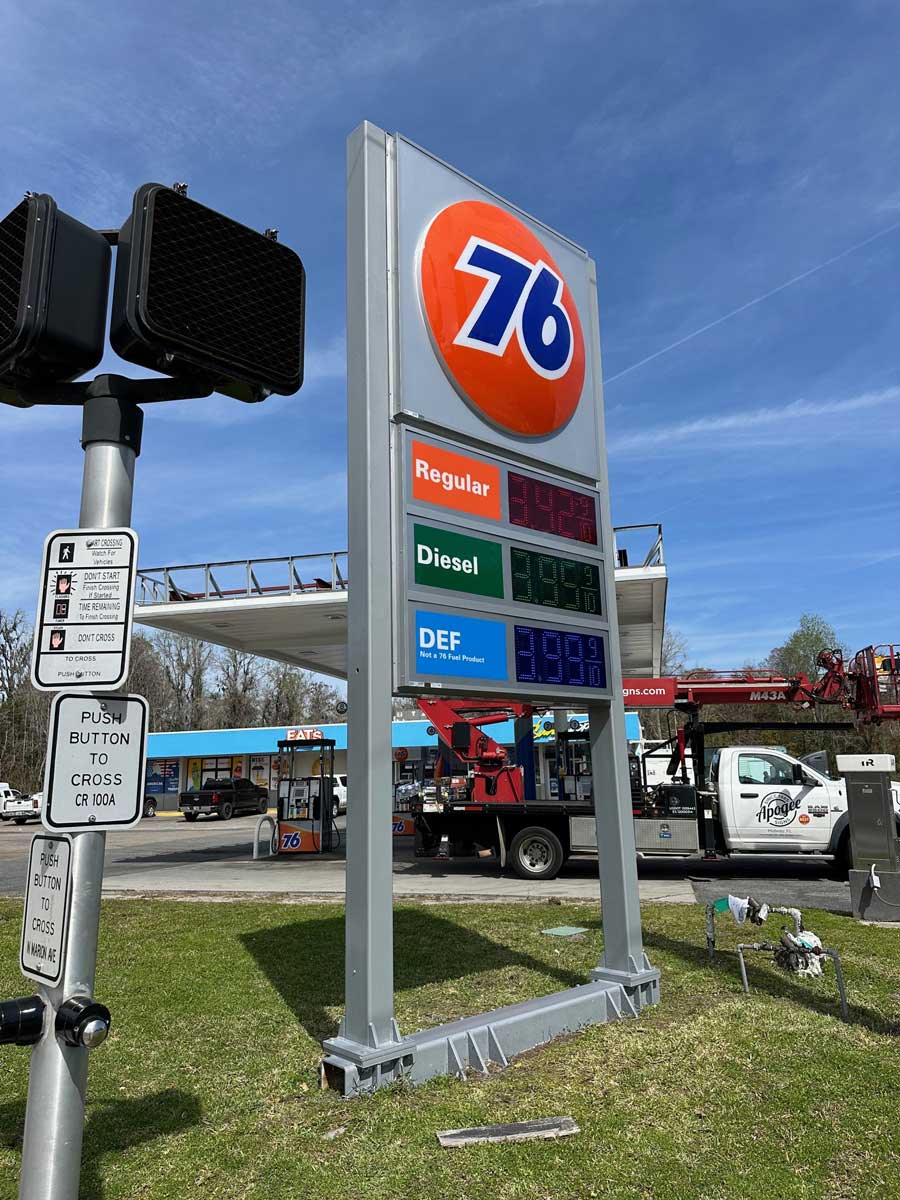
Energy markets are telling a tense story. Brent crude has hovered near $97.74 a barrel, while benchmark US crude surged about 1.8% to $93.13.
The main culprit is geopolitical risk. Simmering tensions tied to the ongoing US conflict with Iran have kept energy traders on edge. When crude climbs, transportation, manufacturing, and shipping costs follow close behind. This feeds right back into the inflation loop that central banks are trying desperately to tame.
Higher energy bills mean tighter margins for corporations. When margins shrink, equity valuations take a hit. It's a direct chain reaction that every investor feels at the pump and in their brokerage accounts.
What to Watch on Wall Street Next
With Wall Street returning from the Labor Day holiday, all eyes are locked on upcoming inflation data. The Producer Price Index (PPI) report arrives on Thursday, giving investors a clear look at wholesale price pressures before those costs hit regular shoppers.
Following that, Friday brings the Consumer Price Index (CPI) release. This is the big one. It tracks price shifts across everyday essentials like groceries, clothing, furniture, and services ranging from restaurant dining to car maintenance.
If these inflation readings come in hotter than expected, expect central banks to keep interest rates elevated for longer. Bond yields will react, stocks will likely jitter, and market volatility will spike.
How to Protect Your Portfolio Right Now
Don't panic and sell everything. Volatility creates openings if you know how to manage your risk.
- Audit your energy exposure: Ensure your holdings aren't overly sensitive to high crude prices. Companies with heavy shipping or manufacturing overhead will feel the squeeze first.
- Keep cash ready: Market dips fueled by short-term inflation panic often present great entry points for fundamentally sound companies.
- Watch the currency impact: If you hold international assets, remember that fluctuating exchange rates can alter your actual returns.
Take a step back, look at your long-term asset allocation, and ignore the daily noise.