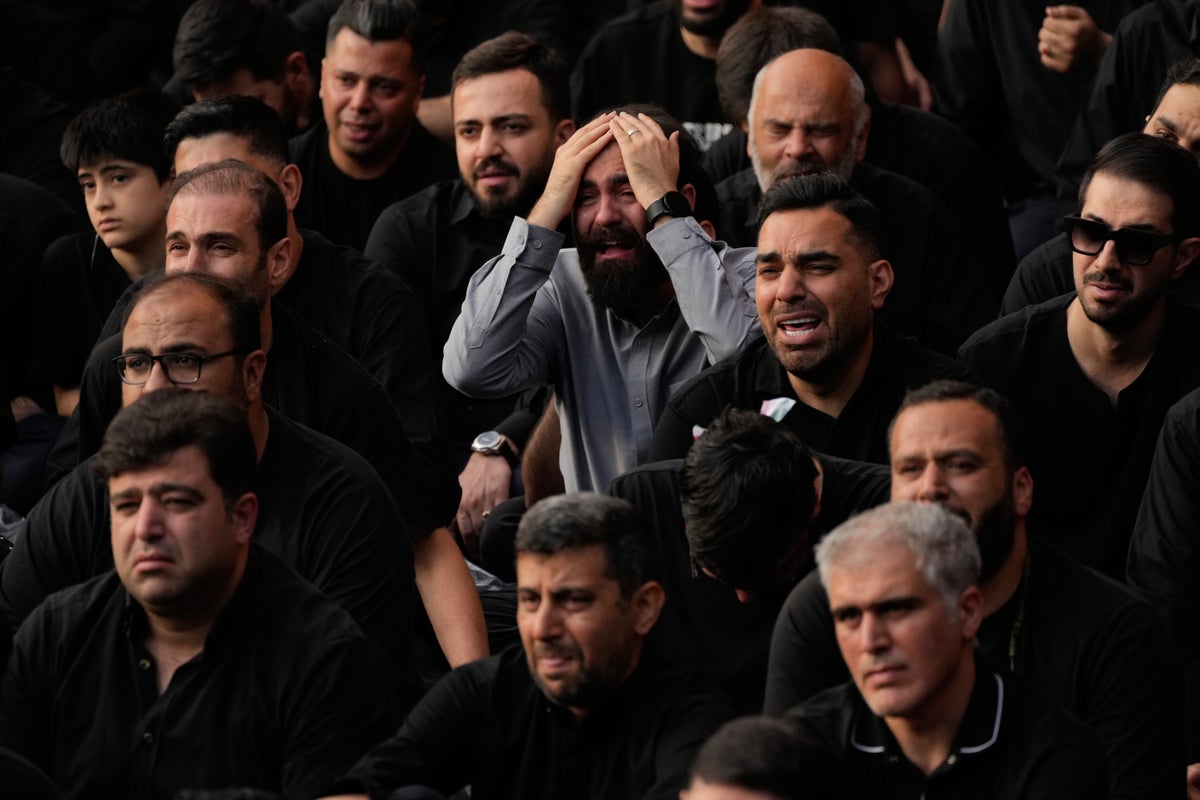
Walk down the streets of Tehran or Beirut right now, and you'll feel an intensity that goes way beyond normal religious devotion. On June 25, 2026, Shiite Muslims around the world marked Ashura. It's the holiest day on their calendar, a time dedicated to commemorating the 7th-century martyrdom of Imam Hussein, the grandson of the Prophet Muhammad, at the Battle of Karbala.
But this year isn't normal. The ritual chest-beating, the elegies echoing from loudspeakers, and the sea of black attire aren't just honoring historical grief. They're channeling a very real, very raw current pain.
For the past several months, a devastating war has torn through Iran and Lebanon, home to two of the largest Shiite populations on Earth. When people here lament a tragedy that happened over 1,300 years ago, they are looking directly at the ruins of their own neighborhoods.
The Weight of Fresh Losses
To understand why this specific Ashura is so poignant, you have to look at the staggering timeline of the last few months. The conflict kicked off with total chaos on February 28, 2026, when an Israeli airstrike killed Iran's 86-year-old Supreme Leader, Ayatollah Ali Khamenei. He wasn't just a political figurehead. He held the final word on religious matters for millions.
Because of the chaos of the war, his official funeral procession was delayed, scheduled for just days after these Ashura ceremonies. Think about that. Mourners are literally marking the ultimate historic Shiite sacrifice while preparing to bury their modern spiritual leader.
The political shift is already visible on the ground. During processions in the Lebanese coastal city of Tyre, clerics sat beneath portraits of the new Iranian Supreme Leader, Mojtaba Khamenei, alongside Hezbollah Secretary-General Naim Kassem. The messages coming from the pulpits aren't subtle. Clerics are directly comparing the struggles of these modern figures to Hussein's stand at Karbala.
Mourning Among the Rubble
The war didn't stay inside Iran's borders. It instantly spilled into Lebanon. Hezbollah entered the fray in solidarity with Tehran, triggering massive Israeli aerial bombardments and a ground invasion. The result? Total devastation across predominantly Shiite areas in southern Lebanon and the southern suburbs of Beirut.
Right now, more than one million displaced Lebanese are trying to pick up the pieces and return to their villages. Imagine trying to hold a deeply spiritual, solemn street procession when your entire neighborhood is reduced to concrete dust and twisted rebar. That's the reality in towns across south Lebanon. They held their traditional Muharram sermons surrounded by literal ruins.
In Tyre, the atmosphere was thick with grief. Families who lost loved ones—either fighting with Hezbollah or working as frontline paramedics—openly wept during the services. The historical narrative of Hussein being cut off from water and resources mirrors their recent reality too closely.
How the State Uses the Rituals
In Tehran, the public holiday brought the sprawling capital to a standstill. Shops closed down, and processions of men filled the streets, beating their chests to the rhythm of booming drums. Volunteers set up stations to hand out tea and dates to the masses.
On the eve of Ashura, President Masoud Pezeshkian and other top officials gathered at the shrine of Ayatollah Ruhollah Khomeini. Pezeshkian didn't waste the opportunity to connect faith to current geopolitics. In a public message, he hammered home the idea that Hussein taught the world to stand against oppression and the temptation of power. He explicitly noted that people should neither oppress nor accept being oppressed.
The language of sacrifice is the ultimate political currency right now. With Iran and the US currently locked in intense, fragile ceasefire talks, the establishment is leaning heavily on the "spirit of Ashura" to maintain public resolve. Gen. Esmail Ghaani, head of the Islamic Revolutionary Guard's Quds Force, used his holiday address to issue a stark warning to Israel, telling them to pull out of Lebanon or face absolute defeat.
The Global Picture
While the focus is heavily on the Levant and Iran, Ashura rolled out across the globe under high tension. In Iraq's southern city of Karbala—the actual site of Hussein's shrine—security was incredibly tight. Hundreds of thousands of pilgrims, including many who traveled across the border from Iran like visitor Redha Nouri, packed the golden-domed complex. Local Iraqis set up massive operations to feed and house the incoming crowds despite the volatile regional backdrop.
Meanwhile, sectarian fault lines put other communities on edge. In Pakistan, where the Shiite minority has historically faced brutal attacks from radical militant groups during Muharram, authorities didn't take any chances. Mobile phone services were completely jammed in major cities like Lahore to prevent remote detonations and coordinate security.
Despite the threat of violence, people still showed up. Local attendees emphasized that the name of Hussein gives them the courage to face tyranny head-on, proving that the core message of the day remains unchanged, whether in a peaceful procession or a war zone.
What Happens Next
The immediate focus shifts away from the street processions and directly onto the diplomatic table and the upcoming state funeral in Iran.
Keep a close eye on the US-Iran ceasefire negotiations over the coming days. The rhetoric used during Ashura shows that while the leadership is preaching a message of absolute resistance to their base, the economic and structural toll of the war is forcing them to play a high-stakes diplomatic game. Watch how Mojtaba Khamenei solidifies his public image during his father's upcoming funeral procession—this transition will define the next phase of the Middle East conflict.


/LouvresengchyeteoGettyImages-5a14669aaad52b00370c599e.jpg)