The nightmare scenario for wildlife conservationists has officially reached the shores of New Zealand. A migratory brown skua found on a beach near Wellington just tested positive for the highly pathogenic H5N1 bird flu. Biosecurity Minister Andrew Hoggard confirmed the case, ending years of isolation that previously kept the island nation safe from the global panzootic. For over four years, this virulent strain has devastated bird and marine mammal populations across every other continent. Now, the buffer has vanished.
You need to understand why this is a massive crisis. New Zealand's ecosystem is unique. Its birds evolved over millions of years without land mammals. This lack of predatory pressure meant many species became flightless or ground-nesting. They have zero natural immunity to highly infectious avian pathogens like this one. If the virus breaches the mainland and spreads through wild populations, it will not just kill individual birds. It could completely wipe out entire species that currently number in the dozens or hundreds.
The Department of Conservation has already kicked off an emergency vaccination campaign targeting 300 core breeding birds from five of the most endangered native species. It is a desperate race against time. Brett Gartrell, a professor of wildlife health at Massey University, openly warned that the virus could push these birds to absolute extinction if it spreads too fast. The safety net is frayed, and the stakes could not be higher.
The Fragile Isolation of New Zealand Wildlife
For centuries, geographic isolation was the best defense for local ecosystems. Birds thrived in an environment dominated by forests and coastlines, adapting to niches that mammals filled elsewhere. When humans arrived and brought predators like rats, stoats, and feral cats, local biodiversity took a massive hit. Decades of intensive conservation work, pest eradication, and offshore island sanctuaries slowly brought many species back from the brink.
The arrival of H5N1 bird flu in New Zealand flips the script entirely. Pest fences and predator traps cannot stop a airborne virus carried by migratory seabirds. The brown skua that tested positive represents the exact vector authorities feared. These birds fly massive distances, interacting with global populations before returning to southern waters.
Australia reported its first detections in migratory birds just last month. It was a clear warning shot. The virus has skipped across the Tasman Sea, and the current reality is grim. Government officials emphasize that there is currently no evidence of mass mortality or transmission within the mainland poultry sector. That offers little comfort to wildlife biologists who know how fast this pathogen moves once it gets a foothold.
Inside the Emergency Vaccination Strategy
The Department of Conservation is not starting from scratch, luckily. Biologists spent the last year running a world-first research trial on five native species to ensure an avian influenza vaccine was both safe and effective. The vaccine uses a dead virus, meaning it cannot accidentally trigger an outbreak or cause an infection in the birds receiving it.
The vaccination push focuses strictly on 300 core breeding individuals across five critically endangered species.
- Kākāpō: The famous, heavy, flightless nocturnal parrot with a global population hovering around just a few hundred individuals.
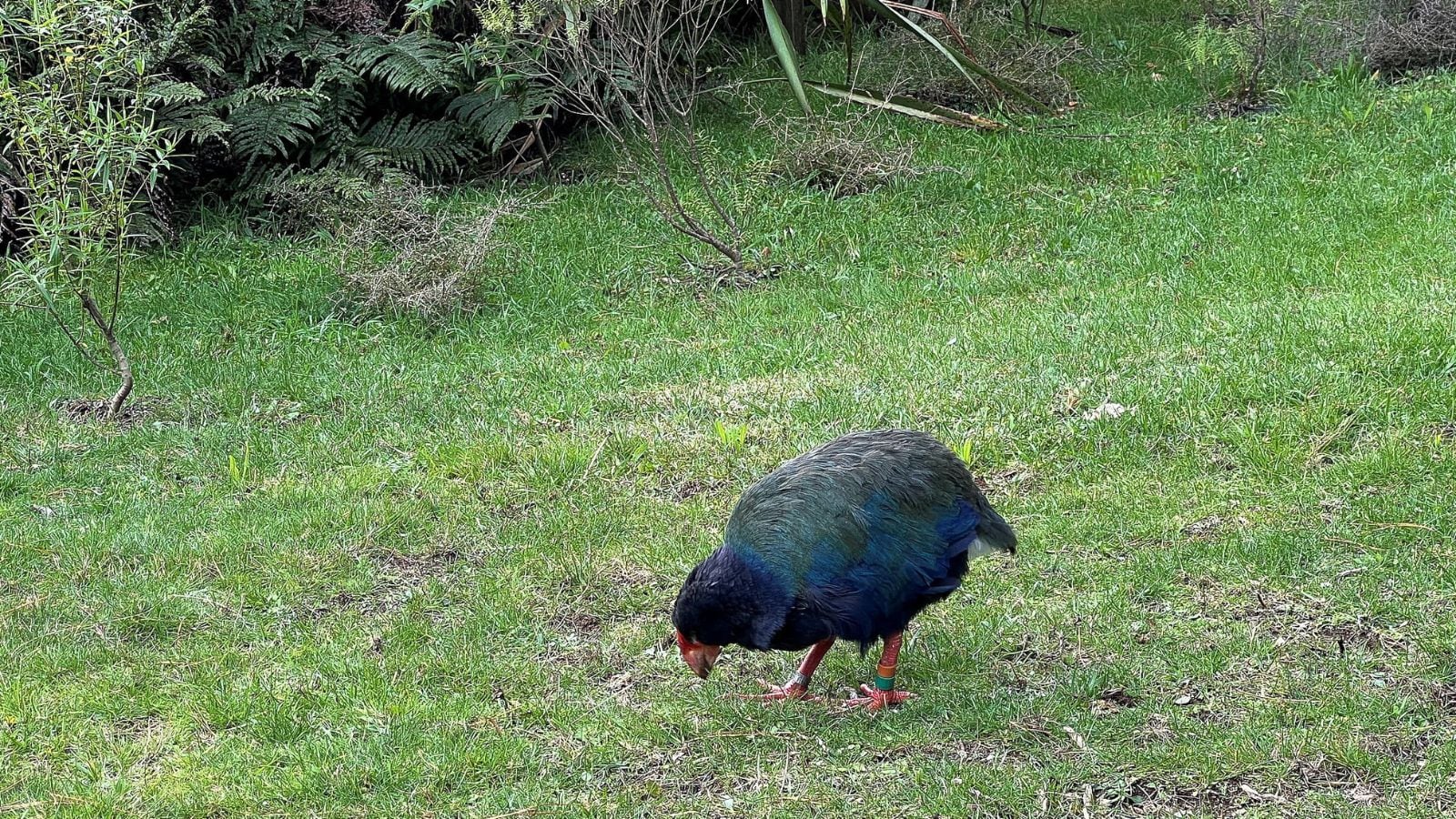
- Takahē: Large, flightless blue-and-green birds that were once thought to be extinct until their rediscovery in the mid-twentieth century.
- Tūturuatu (Shore Plover): A tiny, incredibly rare wading bird found only in a handful of localized populations.
- Kakī (Black Stilt): A striking wading bird heavily reliant on intensive captive breeding programs to survive riverbed predators.
- Kākāriki Karaka (Orange-fronted Parakeet): A rare forest parrot facing severe threats from habitat loss and introduced pests.
The strategy relies heavily on the fact that these 300 core birds are either held in dedicated captive breeding facilities or managed on strictly controlled offshore island sanctuaries. Rangers can catch them, administer the first dose, and guarantee they receive the critical second dose required for full immunity.
But it is an operational bottleneck. You cannot vaccinate a wild population of millions of seabirds. You can only protect the genetic insurance policy of the rarest species. If the virus hits the mainland before these 300 birds develop full immunity, the consequences will be devastating.
The Logistical Reality and Scientific Doubts
While the government projects confidence, scientists are visibly anxious. The vaccine requires two full doses to provide real protection. Building immunity takes weeks. If the virus outpaces the rollout, the vaccinated groups remain vulnerable.
Managing wild birds on remote islands is an administrative headache. Rangers must track down individual birds in rugged terrain, handle them safely without causing fatal stress, inject them, mark them, and find them again weeks later for the booster. It takes a massive toll on human resources and conservation funding.
Opposing viewpoints within the broader ecological community sometimes debate the ethics of such intense intervention. Some argue that handling highly stressed, endangered wildlife during a potential outbreak carries inherent risks of accidental transmission via human gear. The Department of Conservation countered this by implementing strict biosecurity protocols for its field teams. Vets and species rangers must follow rigid disinfection routines to ensure they do not become vectors themselves.
The agricultural impact is another looming shadow. The Ministry for Primary Industries is working alongside the poultry sector to shore up commercial farms. Millions of chickens and turkeys are at risk. In overseas markets, H5N1 outbreaks required the mass culling of entire farming operations, skyrocketing food prices and causing immense economic harm. New Zealand is trying to avoid that exact scenario by enforcing strict indoor housing rules and upgraded sanitation at commercial facilities.
What Happens If the Defense Fails
Look at what happened globally. In South America, H5N1 wiped out tens of thousands of sea lions and wiped out huge percentages of seabird colonies along the coast. In North America, dairy herds became infected, showing the virus can easily jump to mammals.
If the virus jumps from migratory seabirds into New Zealand’s native forest species, tracking it becomes nearly impossible. A single infected duck or gull landing in an inland waterway could introduce the pathogen to riverbeds where the Kakī breed. A single infected bird dying near a forest sanctuary could expose the last wild populations of the orange-fronted parakeet.
The strategy is a gamble on containment and targeted immunity. It highlights the stark limits of modern conservation when faced with a globalized biological threat.
Immediate Actions for the Public
Early detection remains the only viable way to map out where the virus is moving and try to erect barriers before it hits key sanctuaries. You can take several direct, actionable steps immediately to help wildlife authorities contain the spread.
- Report unusual wildlife deaths: If you see a group of three or more dead or sick wild birds, marine mammals, or other wildlife, do not touch them. Call the Ministry for Primary Industries exotic pest and disease hotline immediately at 0800 80 99 66.
- Sanitize your outdoor gear: If you are tramping, hunting, or birdwatching, clean your boots and clothing thoroughly before entering different conservation zones. Use a disinfectant that kills viral pathogens to avoid carrying traces from the coast into inland forests.
- Keep pets contained: Keep dogs on leashes at beaches and riverbeds to prevent them from interacting with dead seabirds or marine mammals, which can transmit the virus.
- Secure backyard poultry: If you keep chickens at home, ensure their feeding and watering stations are fully covered to prevent wild birds from mingling with your flock or contaminating their food supply.


