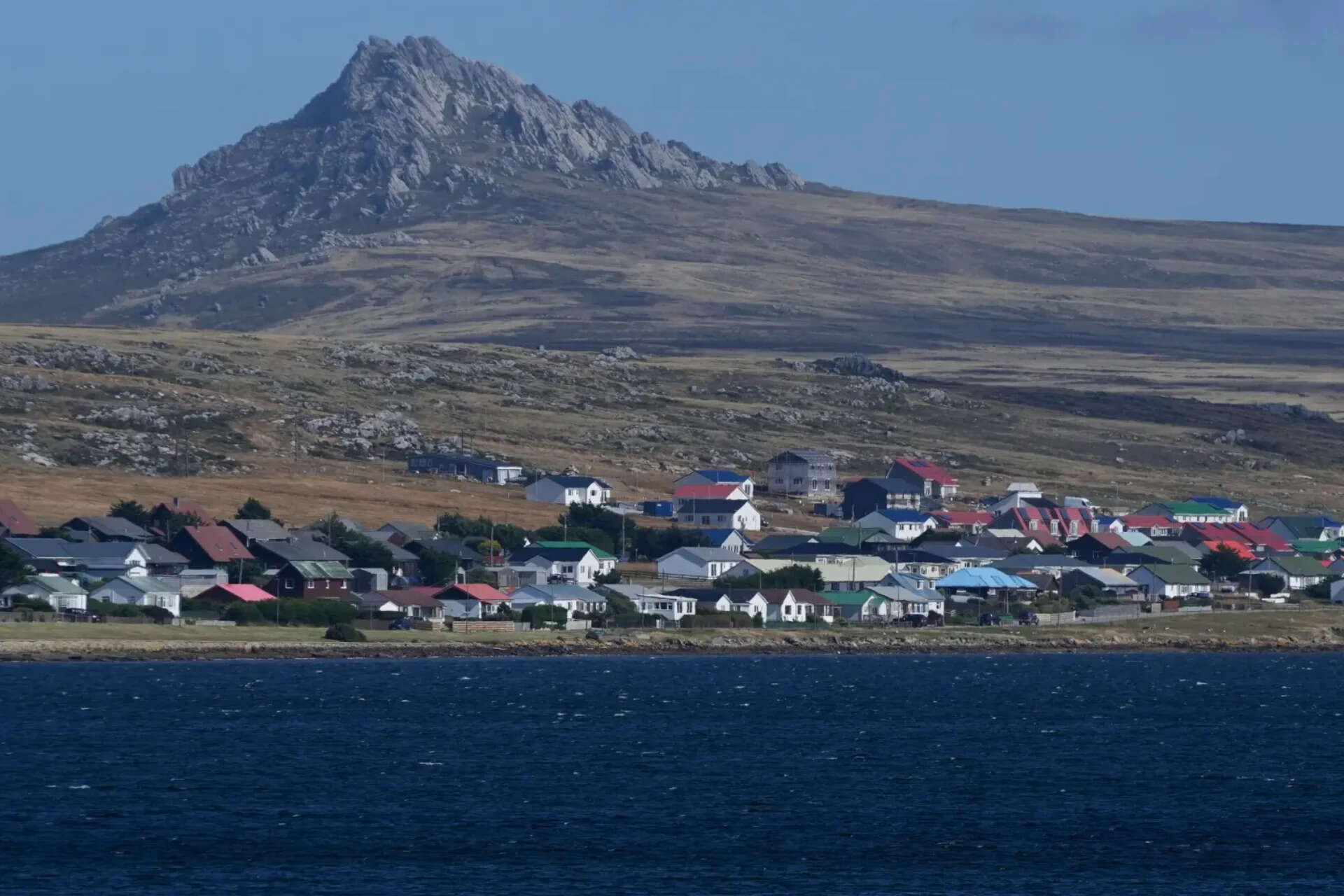
The fight over the Falkland Islands just entered a messy new chapter. Argentina isn't just complaining via diplomatic channels anymore. President Javier Milei's administration has taken a $2.2-billion offshore oil venture straight to an international maritime tribunal, turning a slow-burn geopolitical grievance into a high-stakes legal war.
If you think this is just standard posturing from Buenos Aires, look closer. This move targets the Sea Lion project—the archipelago's very first commercial oil venture, spearheaded by Israel's Navitas Petroleum and Britain's Rockhopper Exploration. With production slated for 2028, time is running out for Argentina to choke the field before the first barrel of crude comes ashore. London calls it economic coercion. Buenos Aires calls it defending sovereign rights.
Let's break down why this battle matters right now, what's actually at stake beneath the South Atlantic, and why neither side is backing down.
The Legal Front and the Sea Lion Field
The recent filing at the International Tribunal for the Law of the Sea in Hamburg aims to secure provisional measures that would halt the Sea Lion development entirely. Located about 220 kilometers north of the Falklands, the field represents a massive economic windfall for the isolated archipelago. It also represents a red line for Argentina.
Milei hasn't stopped at international courts. His government has initiated criminal proceedings against executives and shareholders tied to the project, while drafting legislation to heavily penalize any company or supplier daring to touch Falklands resources without Argentine authorization.
London isn't blinking. British officials swiftly condemned the filing, framing it as an overreach of jurisdiction. UK Foreign Minister Uma Kumaran made it clear that London views the development as entirely lawful under the governance of the Falkland Islands administration.
Why Milei is Turning Up the Heat Now
Domestic politics always dictates foreign policy posture. Argentina's economy remains a tightrope walk, and upcoming elections loom large. Invoking the Malvinas—the local name for the islands—is the ultimate unifying force in Argentine politics.
When the national football team beat England and players unfurled a banner proclaiming "Las Malvinas son Argentinas," it tapped into a deep cultural nerve. Milei is playing the exact same card, albeit with court filings and corporate sanctions instead of football banners. By painting the nascent oil industry as an existential threat to national resources, he rallies a weary public behind a timeless nationalist cause.
Yet, pinning hopes on an international tribunal has its limits. The tribunal can issue binding rulings, but it possesses zero enforcement teeth. If London and the corporate developers decide to ignore a Hamburg injunction, the tribunal cannot send ships or bailiffs to stop the drilling rigs.
The Long Shadow of 1982
You can't understand the current friction without acknowledging the ghosts of the past. The 10-week war in 1982 cost hundreds of lives and permanently scarred the collective psyche of both nations. Britain maintains control based on the explicit self-determination of the islanders, who overwhelmingly want to remain a British Overseas Territory. Argentina views that occupation as illegal, dating back to 1833.
That fundamental disagreement creates a permanent powder keg. Every time commercial activity expands in the region—whether through fishing licenses or oil exploration—the fuse gets lit again.
What Happens Next
The Sea Lion project moves forward toward its 2028 target, backed by London's full political and financial support. Meanwhile, Argentina's legal crusade creates a hostile environment for international investors, introducing regulatory risk that could scare away smaller suppliers or financiers.
If you are tracking international energy markets or South American geopolitics, keep an eye on how corporate partners respond to Argentina's criminal probes. The outcome of this legal showdown won't just decide who pumps oil from the South Atlantic. It will set a precedent for how resource nationalism clashes with overseas territories in an increasingly fractured global economy.