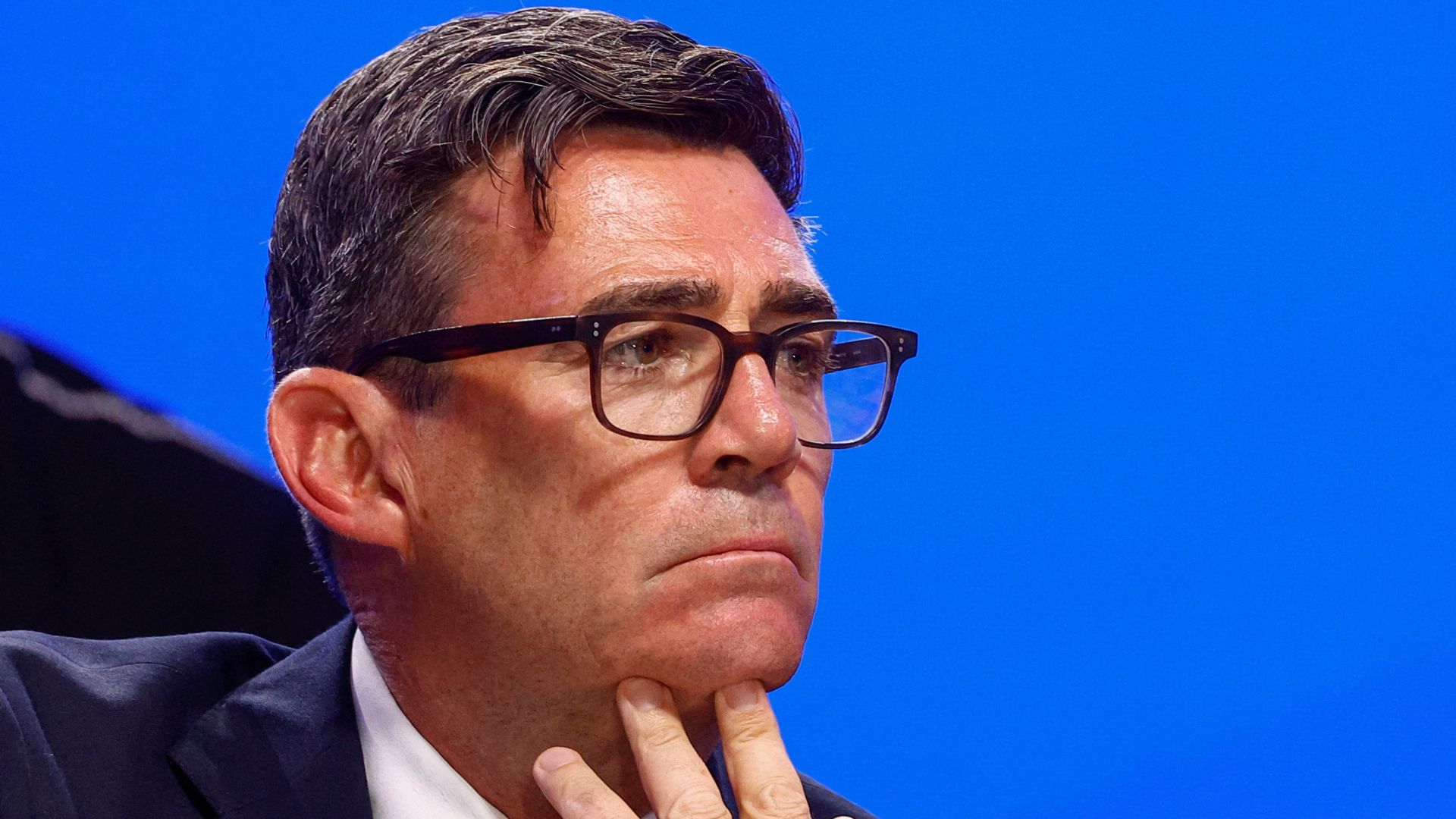
Private sector executives aren't buying the government's economic pitch. Prime Minister Andy Burnham is hosting top corporate chiefs at Number 10 to smooth over deep-seated anxiety about his upcoming fiscal package, but the boardroom skepticism is palpable.
Executives across banking, energy, and retail are bracing for bad news. With a high-stakes budget looming on October 28, corporate leaders fear that Chancellor John Healey will lean heavily on business tax hikes to plug a yawning fiscal hole. Burnham's charm offensive, which features roundtables with startup founders alongside corporate heavyweights like HSBC, Shell, and Rolls-Royce, aims to recast the administration as an active partner for growth. Yet, behind closed doors, the private sector wants hard numbers, not inspirational rhetoric about a national "culture shift."
The Trust Deficit Facing Downing Street
You can't talk your way out of structural tax fears. Founders and chief executives have watched borrowing costs creep upward while economic momentum remains fragile. July brought a surprise 0.4% bump in GDP driven by tech and artificial intelligence investments, but economists warn that energy squeezes and global trade friction could easily flatten that trajectory by autumn.
When businesses face rising overheads, vague promises of regional devolution and local industrial strategies ring hollow. Companies need stability. They want clarity on whether long-term investments in clean energy, fintech, and advanced manufacturing will be penalized or rewarded. Right now, short-termism in policy remains the primary barrier cited by founders trying to scale past the startup phase.
Where the Growth Agenda Hits Reality
Burnham's core message relies heavily on decentralization. Shifting power and resources away from Westminster to regional mayors sounds great on paper, but capital deployment is what matters. Startups need deep pools of venture capital and predictable regulatory frameworks. When regulatory friction meets political hesitation—such as delayed decisions on crucial North Sea gas projects like Jackdaw—investors look elsewhere.
Corporate boards are looking for concrete answers to three critical questions:
- Will the government protect capital allowances and research tax credits in the next budget?
- Can regional mayors genuinely fast-track infrastructure without adding layers of local bureaucracy?
- How will Downing Street reconcile strict fiscal rules with the urgent need for public-private investment partnerships?
What Happens Next in the Boardroom
The charm offensive at Downing Street won't dictate the success of the growth agenda. The October budget will. If Healey attempts to balance the books entirely on the backs of corporate taxpayers, expect a sharp freeze in private hiring and delayed capital expenditure. Downing Street must prove that its partnership model has teeth. Otherwise, corporate Britain will keep its wallet firmly shut.