Northern Mozambique has a violent insurgency problem that has simmered for years, yet western travelers still find themselves caught in the crossfire. When suspected insurgents attacked a remote hunting camp in the Niassa Special Reserve, three American citizens had to be airlifted out. It is a stark reminder that remote adventure tourism often collides brutally with real-world geopolitical violence.
If you look closely at how these operations function, the Niassa hunting lodge incident isn't an isolated fluke. It exposes a massive gap between official travel warnings and what thrill-seeking travelers actually do. Let us look at why these regions remain dangerous, what went down during the evacuation, and why the State Department warnings keep getting ignored.
The Anatomy of the Niassa Reserve Attack
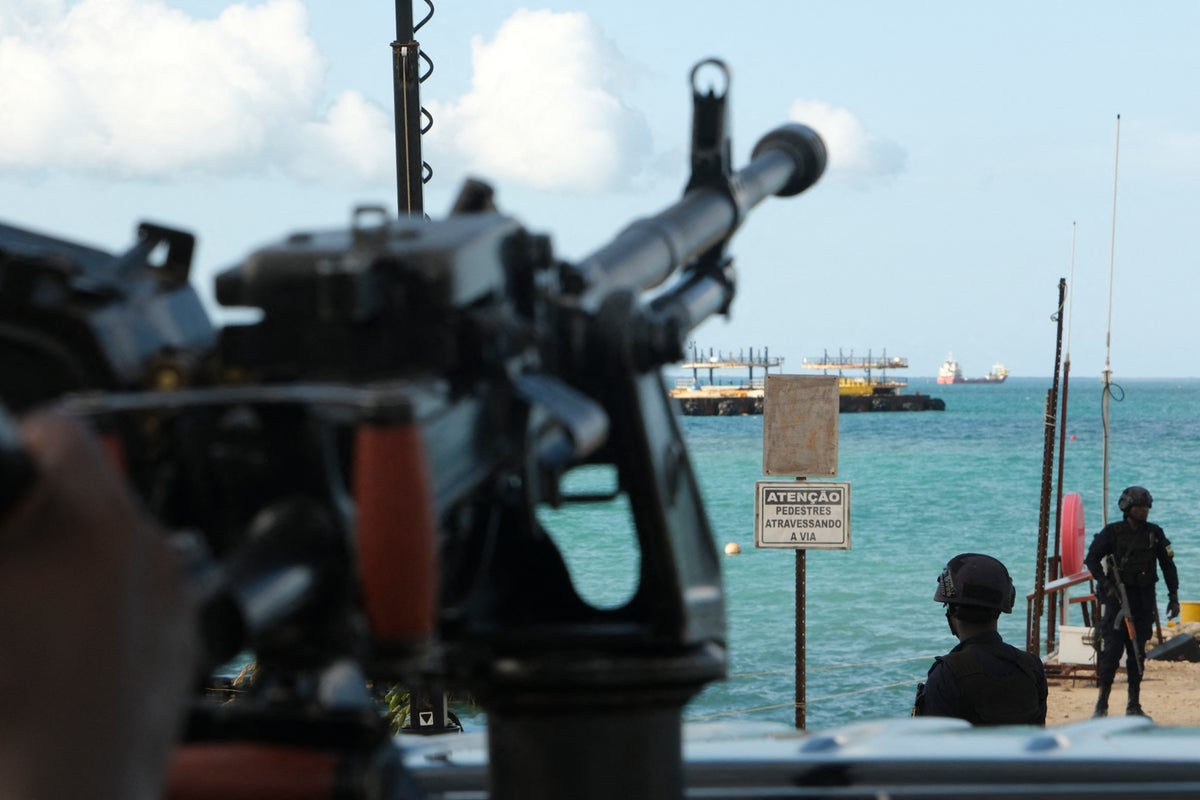
The raid targeted a wildlife reserve right next to Cabo Delgado, a province that has suffered from an Islamic State-linked insurgency since 2017. Militants torched camp infrastructure, forcing staff to scatter into the bush while a military response kicked into gear.
The three Americans involved were out on a hunting trip when the camp came under fire. While no official fatalities were confirmed by primary diplomatic channels, regional security analysts tracking the conflict reported potential civilian abductions and conflicting casualty figures. Local reporting from Zitamar News and security expert insights highlighted how chaotic information is during these remote bush skirmishes.
Insurgents routinely target upscale hunting lodges and remote outposts because they represent soft targets with valuable supplies, cash, and potential leverage through hostages.
Why Americans Keep Visiting High Risk Zones
Big-game hunting season in Niassa runs from May through November. It pulls in international tourists willing to pay thousands of dollars for remote wilderness access. But here is the catch. The U.S. State Department had already slapped a strict "Do Not Travel" advisory on the Niassa Special Reserve, explicitly noting that terrorists have targeted luxury hunting camps in the area.
So why do people go?
- The Allure of Untouched Wilderness: Wealthy tourists chase exclusive, off-the-grid experiences that standard resorts cannot provide.
- Underestimating the Threat: Many assume isolated bush camps are too remote for active militant groups to reach.
- Reliance on Private Security: Outfitters often promise local protection, creating a false sense of absolute security.
When you ignore a Level 4 travel advisory, you are betting your life that local militia movements will stay thousands of meters away from your campfire. That is a terrible bet in a region where an active jihadist insurgency has already displaced hundreds of thousands of people.
What Travel Risk Management Gets Wrong
Most people think safety is about having a satellite phone and a private guide. It is not. Real safety in places like northern Mozambique requires understanding regional intelligence networks long before you book a flight.
Outfitters sometimes downplay local instability to protect their booking revenue. If you are planning an expedition to remote parts of Africa, the Middle East, or Central Asia, you need to look past the marketing brochure. Check independent crisis monitors, talk directly to security contractors who operate on the ground, and treat official government warnings as absolute law rather than bureaucratic red tape.
Evacuating Americans from a burning hunting camp takes coordination between local military forces, private fixers, and diplomatic channels. Next time, the response time might not be fast enough. Stop assuming remote means safe.