Geopolitical chess boards don't reset overnight, but sometimes the pieces vanish before anyone notices. Look closely at West Asia right now and you'll see a massive shift in naval posture that Washington isn't broadcasting on prime-time television. When high-ranking military officials start publicly declaring that entire carrier strike groups and warships have cleared out from immediate maritime choke points, it pays to look past the rhetoric and examine the operational reality on the water.
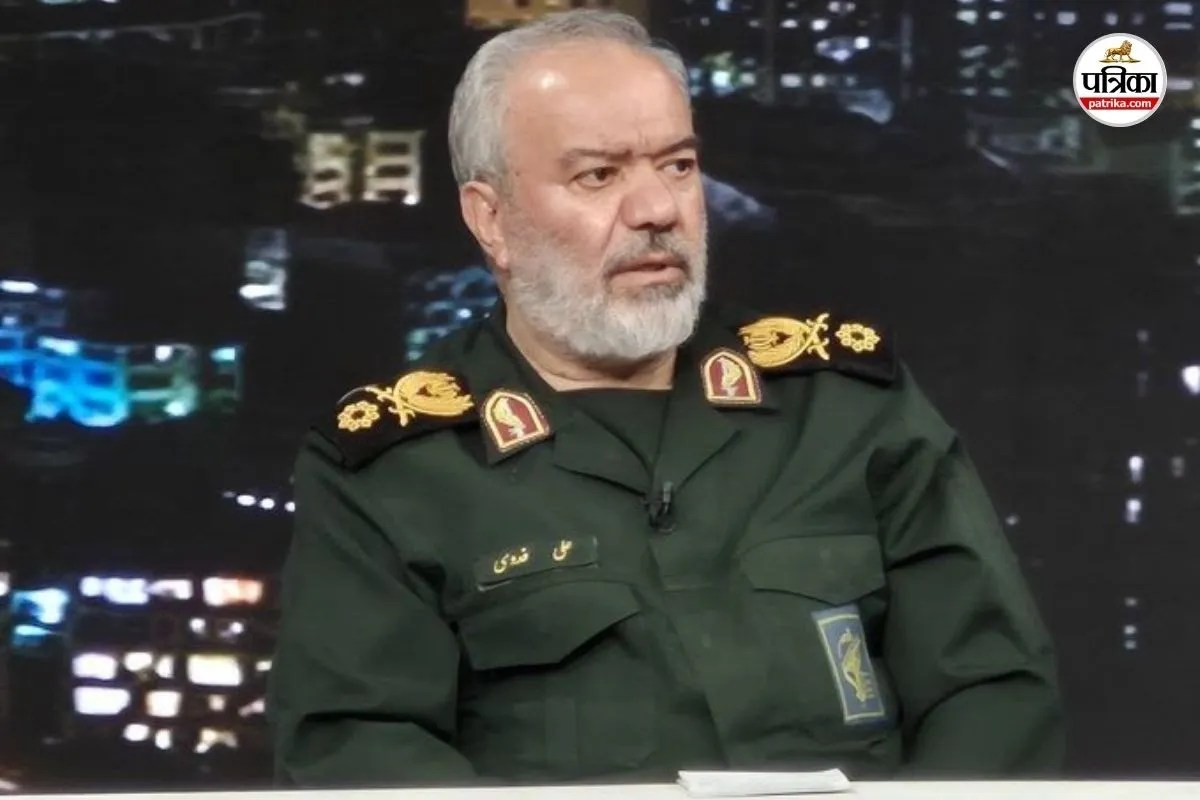
Senior Islamic Revolutionary Guard Corps figures, including Rear Admiral Ali Fadavi, have recently made striking assertions regarding regional naval dynamics[cite: 1]. According to statements broadcast via Iranian state media, American naval assets have pulled back roughly 1,000 kilometers from Iranian territorial boundaries[cite: 1]. The claim is stark: Persian Gulf waters, the Strait of Hormuz, the Gulf of Oman, and sections of the northern Indian Ocean are allegedly devoid of active United States warships[cite: 1]. Whether you view this through the lens of strategic redeployment or deterrence success, it signals a dramatic change in how great powers project force in confined maritime spaces. If you found value in this piece, you should look at: this related article.
The Strait of Hormuz Choke Point
You can't talk about West Asian naval strategy without focusing on the Strait of Hormuz. It's a narrow waterway where a significant percentage of global oil transit happens daily. When tensions spike between Washington and Tehran, this corridor turns into a high-risk zone where commercial tankers and military vessels operate under constant threat of asymmetric retaliation.
IRGC leadership has consistently maintained that local naval forces hold absolute tactical advantage in these shallow waters. Traditional aircraft carriers and heavy destroyers, designed for open-ocean blue-water combat, face severe vulnerabilities when operating near heavily militarized coastlines bristling with anti-ship cruise missiles, fast attack craft, and drone swarms. It's basic physics and military doctrine. When the cost of keeping a multi-billion-dollar warship within striking distance outweighs the strategic benefit, commanders move the asset. For another look on this story, check out the recent update from Wikipedia.
Examining the Numbers and Realities
Claims coming out of military command structures always require a heavy dose of skepticism. While Iranian officials assert that regional trade routes monitored by Western coalitions are operating at a fraction of their historical capacity—pointing to figures as low as 3 to 4 million barrels of crude oil per day—independent shipping tracking paints a more complex picture[cite: 1]. Global trade data often shows resilient volumes despite ongoing security incidents, proving that international shipping lanes adapt, reroute, or absorb shocks rather than shutting down completely.
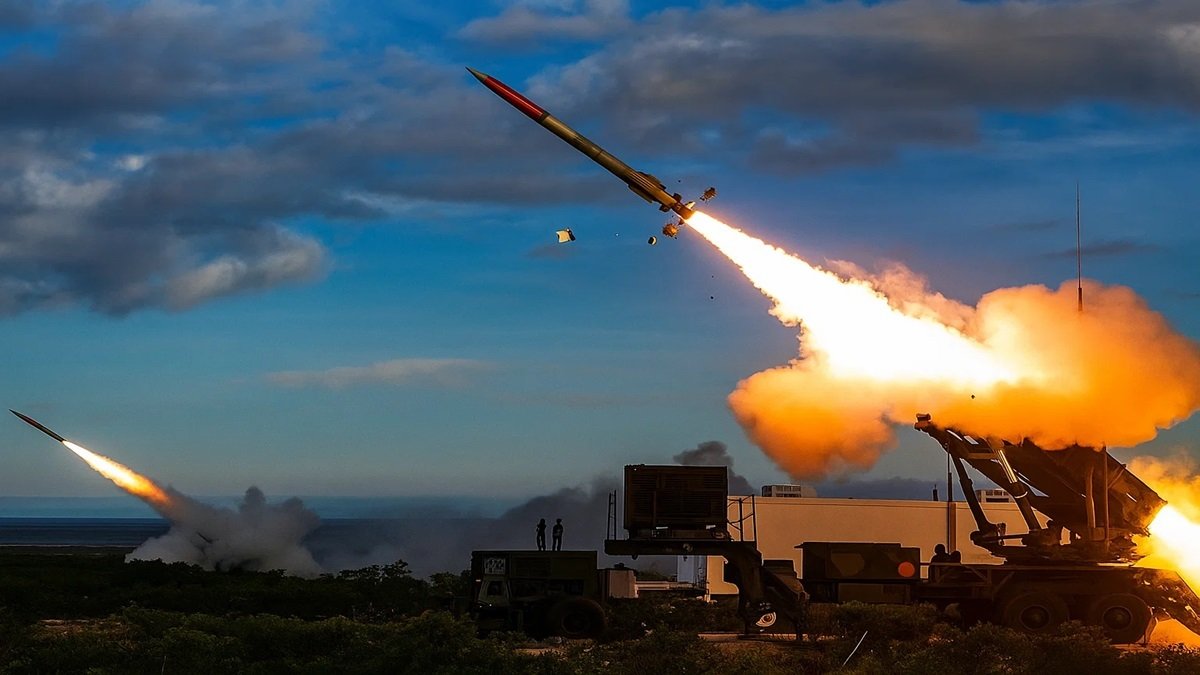
At the same time, drawing parallels to past conflicts forms a staple of Tehran's rhetorical playbook. Leaders frequently invoke the chaotic withdrawals and protracted campaigns from historical theaters like Iraq and Afghanistan to argue that conventional superpower dominance has structural limits[cite: 1]. You don't have to agree with the political framing to recognize that asymmetric warfare changes the calculus of presence. Small, mobile, land-based missile batteries change how a superpower deploys floating steel across enclosed seas.
What This Means for Regional Security
The absence or reduction of visible naval surface combatants doesn't mean the Pentagon has abandoned the region. Modern power projection relies heavily on long-range air assets, subsurface capabilities, and allied base networks scattered across the peninsula rather than sitting ducks anchored in a narrow gulf. Yet, the psychological impact of shifting carrier groups further away remains significant for regional allies trying to gauge security guarantees.
As maritime security incidents continue to pop up—from Gulf waterways to the Red Sea corridors—the underlying tension remains unresolved. Deterrence is an ongoing game of bluff, technology, and calculated risk.
Keep an eye on how supply chains adapt and how naval patrols recalibrate their positioning over the coming months. The era of permanent, stationary naval dominance in confined gulfs is evolving into something far more volatile.