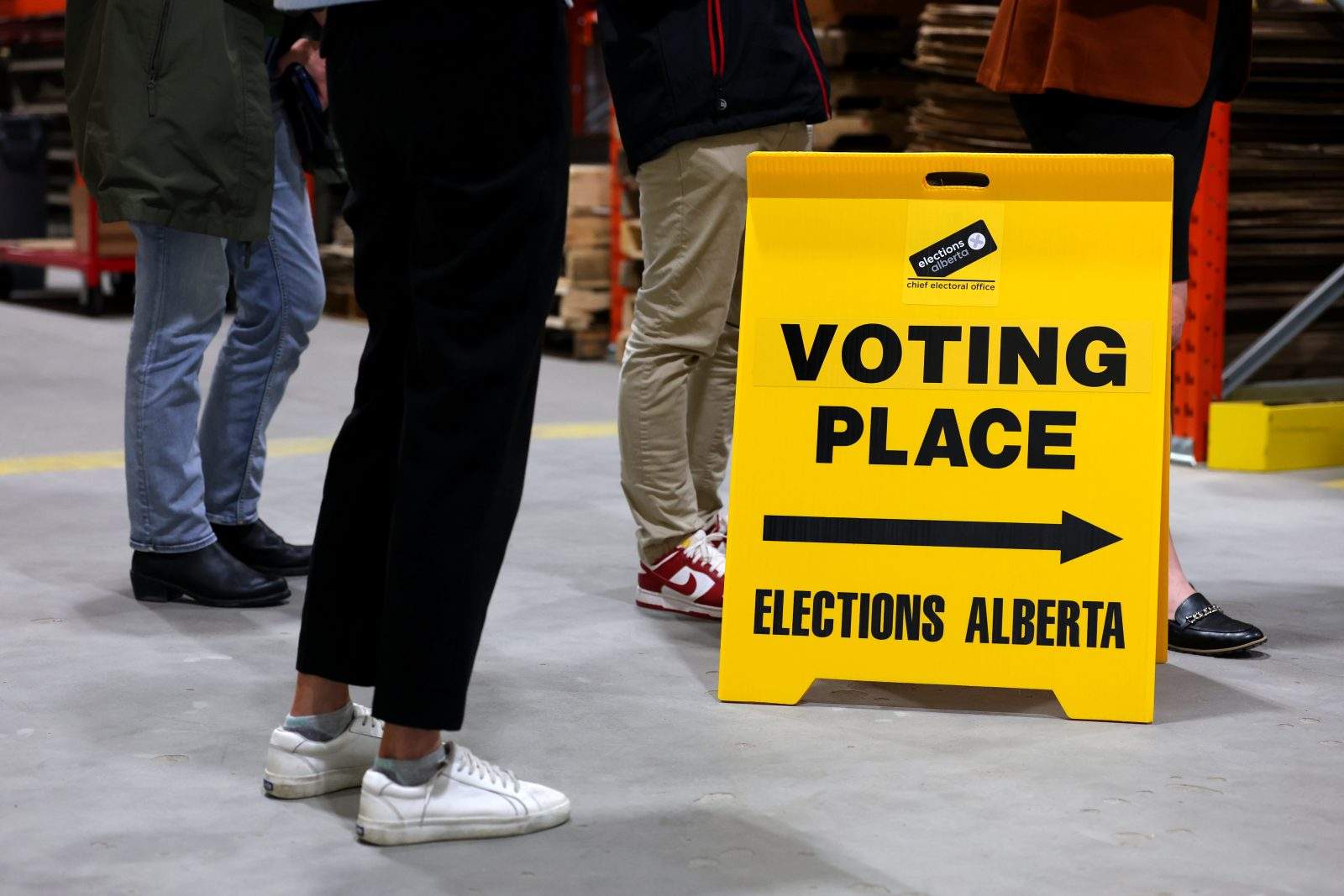
Ten separate questions on a single ballot will test voters' patience and strain election infrastructure like never before. Advanced voting has just opened across Alberta, and the provincial electoral machinery is bracing for a massive turnout. If you are planning to cast your ballot, expect long lines, multi-part questions, and an intense debate over what these results actually mean for the future of the province.
Elections Alberta reports an unprecedented 650,000 special ballot requests ahead of this vote. That number completely dwarfs the 59,000 requests seen during the 2023 provincial general election. Analysts predict voter participation will shatter historical averages. But a massive turnout brings severe logistical friction. When you hand voters ten distinct questions covering everything from immigration limits to constitutional reform and provincial separation, voting stalls. For an alternative perspective, check out: this related article.
The Ten-Question Maze
Premier Danielle Smith's government designed this ballot to force a conversation with Ottawa. The first nine questions tackle provincial autonomy, healthcare access fees for non-permanent residents, and constitutional changes. The tenth and final question asks voters if Alberta should start the formal process for a binding referendum on separating from Canada.
Political scientists point out glaring flaws in how these questions are structured. Take question four, for example. It asks voters if they support charging fees for non-permanent residents to access both healthcare and education systems. You might support charging healthcare fees while strongly opposing education fees. When a ballot combines two distinct public policy domains into a single yes-or-no checkbox, voters hit a wall. Related coverage regarding this has been shared by The Washington Post.
Interpreting the final tally will become a political spin room. Proponents will claim a mixed or high turnout signals a mandate for aggressive negotiation with the federal government. Critics will argue that multi-part questions invalidate any clear mandate.
Economic Grievances Versus Constitutional Reality
Alberta's current political friction stems from deep-seated economic frustrations. But critics argue that holding a referendum on constitutional mechanics is the wrong tool for the job. Key constitutional changes, such as abolishing the Senate, require federal approval and Senate consent. You cannot simply vote your way around the Canadian Constitution.
Prime Minister Mark Carney recently weighed in during a visit to the region, framing national unity as essential for major infrastructure projects like the Pacific Link pipeline. Federal officials maintain that economic negotiations happen at the bargaining table, not through convoluted provincial plebiscites.
How to Beat the Lines at Advanced Polls
Elections Alberta hired over 44,000 workers to manage the chaos, but bottlenecks are inevitable. Advanced voting runs through the week, and timing your trip matters. Avoid the post-work rush between five and seven in the evening. Mid-morning or right after lunch offer the best windows to get in and out quickly.
Bring your voter card if you have it, though any government-issued ID will work if you are registered. Take time before you arrive to read through all ten questions carefully. Standing in a crowded polling station trying to parse complex constitutional queries for the first time is a recipe for frustration. Know where you stand before you mark the paper.