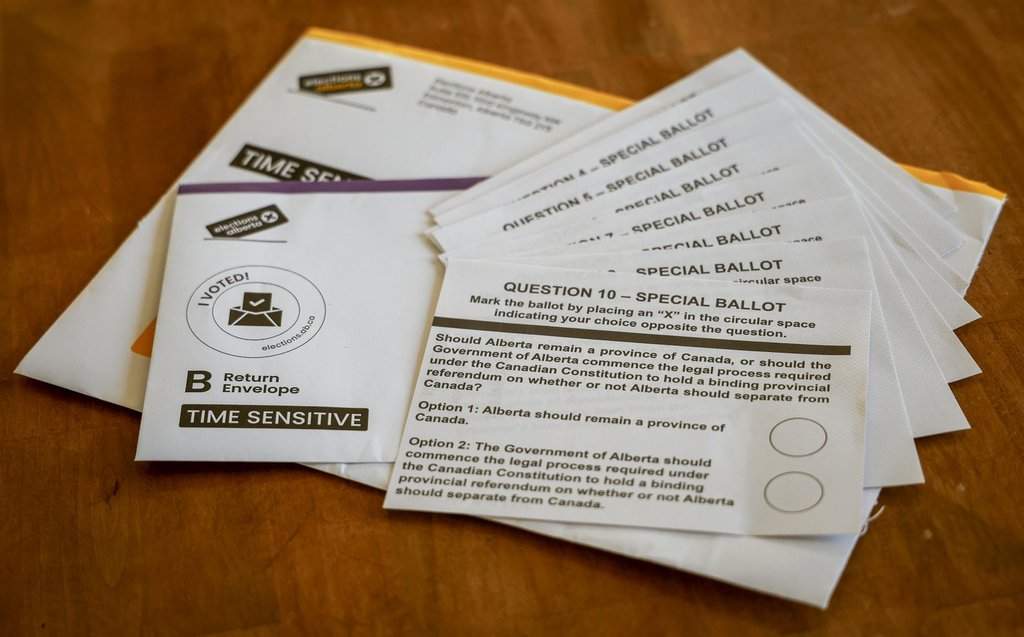
You’re looking at ten massive questions that could completely change how Alberta fits into Canada. If you think this is just another political stunt, you’re missing the bigger picture. Premier Danielle Smith isn't just tossing ideas around to grab headlines. She's forcing a hard conversation about immigration, constitutional power, and whether the province's future belongs inside or outside of Ottawa's shadow.
Let's break down what's actually happening on October 19.
The Immigration Clash: Numbers and Access
The first four questions on the ballot focus heavily on immigration and social program access. Smith wants Alberta to grab more control over who moves into the province, aiming to cap numbers at a more manageable level—roughly one percent of the population per year.
Critics point out a glaring irony here. The province spent years running ad campaigns trying to attract workers from other parts of Canada and abroad. Now that the population boom is straining public services, the government wants to slam the brakes.
If voters check "yes" on these items, non-permanent residents could face a twelve-month residency requirement before qualifying for provincial social supports. We're also looking at potential health care and education fees of up to $1,900 for temporary residents. Legal experts are already lining up to challenge these ideas, arguing they run afoul of the Canada Health Act and Charter equality provisions.
Rewriting the Constitution From the Ground Up
Questions five through nine read like a wishlist for provincial autonomy. Smith wants Albertans to weigh in on ideas that require massive constitutional overhauls.
Think about what's being proposed:
- Requiring strict photo ID like a passport or birth certificate to vote in provincial elections.
- Giving provincial governments the power to select judges for King's Bench and Appeal courts instead of leaving it to Ottawa.
- Abolishing the federal Senate entirely.
- Creating a permanent opt-out clause for federal programs without losing a dime of funding.
- Making provincial laws trump federal laws whenever a jurisdictional clash happens.
Let's be realistic. Amending the Canadian Constitution is notoriously difficult. Abolishing the Senate requires unanimous agreement from every single province. Giving provincial laws priority over federal statutes requires the standard seven-province formula representing half the population. These aren't quick legislative fixes. They're heavy political swings designed to pressure Ottawa into giving Alberta more fiscal and administrative breathing room.
The Separation Question
Then there's the elephant in the room. Question ten asks whether Alberta should remain a province or kickstart the legal process for a binding referendum on separation.
Separatists argue that cutting ties with Ottawa frees the province from crushing federal taxes and stifling regulations. On the flip side, federalists warn that splitting away leaves a landlocked economy buried in debt and facing the nightmare cost of building parallel government services from scratch.
Smith has framed the first nine questions as a direct form of political leverage. The message to Ottawa is simple: give Alberta more control over immigration and constitutional breathing room, or watch the separation debate boil over into a full-blown existential crisis for the country.
October 19 won't just be an ordinary trip to the ballot box. It's a high-stakes referendum on what kind of federation Canada actually is. Take a close look at the ballot before you head out, because the results will echo across the country for decades.