You expect corporate espionage to look like a spy thriller set in a smoky Berlin cafe, not an engineer hiding a plastic audio recorder behind a TV in San Francisco. Yet that is precisely what federal prosecutors allege happened at OpenAI.
On October 9, 2026, the FBI arrested 35-year-old software engineer Abdulrahman Alfozan following a bizarre insider threat incident. Staff at OpenAI’s San Francisco headquarters discovered a hidden recording device tucked inside a television in an executive conference room on September 30. What makes this case stranger than a standard workplace dispute is the internal response: OpenAI didn't just call law enforcement. They used their own artificial intelligence models to help analyze the hardware, trace digital footprints, and uncover the culprit.
Let us look at what actually transpired, the glaring red flags that gave the suspect away, and why this corporate security breach is a watershed moment for the artificial intelligence industry.
The Discovery Behind the Television Screen
Executive conference rooms at leading artificial intelligence labs aren't chat rooms. They are high-security zones where leadership discusses unreleased architectures, commercial negotiations, funding strategies, and proprietary research roadmaps.
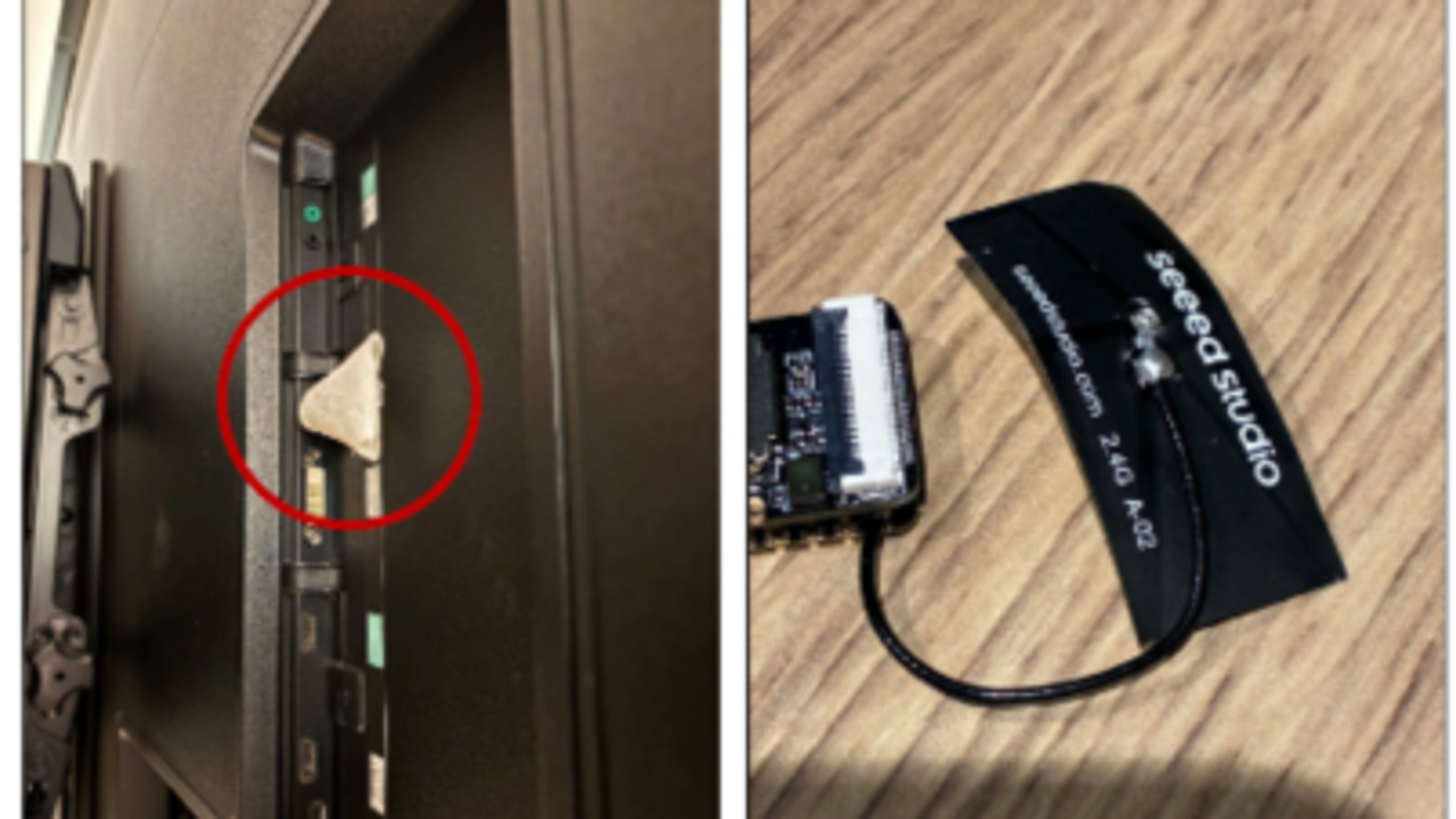
When OpenAI personnel inspected an executive boardroom on September 30, they found a surreptitious audio recorder plugged into a USB port on the back of a television, cleverly concealed with toilet paper. Court filings show the device had been installed around September 28.
Closed-circuit security footage quickly placed Alfozan near the room on multiple occasions despite having zero business reason to be there. But physical footage was only part of the puzzle. According to federal court documents, investigators discovered a mountain of digital breadcrumbs that made the defense's job nearly impossible.
The Digital Trail Left in Plain Sight
If you are going to plan a covert operation against the most prominent artificial intelligence company on earth, you might want to avoid asking corporate productivity tools and chatbots how to build the exact device you are planting.
Court documents reveal a staggering paper trail. Prior to the device's installation, a chatbot account linked to Alfozan's spouse—sharing identical identifiers and attributes with his own account—submitted repeated prompts querying how to build, hide, and remotely access a continuous audio recorder. The queries didn't stop at theory. They explicitly asked about custom Wi-Fi connectivity, audio enhancement, live streaming, and encrypting SD cards. Days later, queries specifically referenced the custom header and unique MAC address of the exact recording device recovered from the television.
Mistakes mounted quickly. On October 5, security personnel found a bag left unattended in another OpenAI building. Inside were the suspect's wallet, identification, and a second identical recording device.
OpenAI terminated Alfozan and handed the case over to the FBI. He now faces federal charges of using or attempting to use an electronic, mechanical, or other device to intercept oral communications, which carries up to five years in prison. OpenAI has publicly stated that they found no indication that model weights, source code, or customer data were compromised. Still, the psychological damage of an internal breach is hard to undo.
Why This Insider Threat Changes Everything
For years, cybersecurity budgets inside major tech companies have focused heavily on perimeter defense, zero-trust network architectures, data exfiltration scripts, and prompt injection attacks. Executives worried about nation-state hackers sitting in foreign servers, not an employee duct-taping an off-the-shelf audio logger to a flat-screen display.
This incident shatters the illusion that physical security is separate from digital security. When you build software that could alter the global economy, your conference rooms become high-value intelligence targets.
Here is what the OpenAI incident teaches every technology company right now:
- Insider threats are analog too. Software engineers have root access to codebases, but they also have physical access to offices. Companies need strict badge logs, camera coverage, and regular sweep protocols for sensitive rooms.
- AI as an internal detective. OpenAI used its own systems to analyze hardware profiles and trace data patterns. Expect other enterprises to build custom internal monitoring agents to flag suspicious employee inquiries long before physical devices are found.
- The spouse account loophole failed. Relying on a separate account tied to a family member provided zero anonymity because metadata and behavioural typing patterns easily linked the two accounts back to a single user.
The investigation remains active, and federal prosecutors will continue sorting through the digital footprint. But the takeaway for Silicon Valley is brutal and clear. The next big security breach might not come via a sophisticated zero-day exploit. Sometimes, it looks like a cheap microphone hidden behind a television screen, waiting for someone to talk.