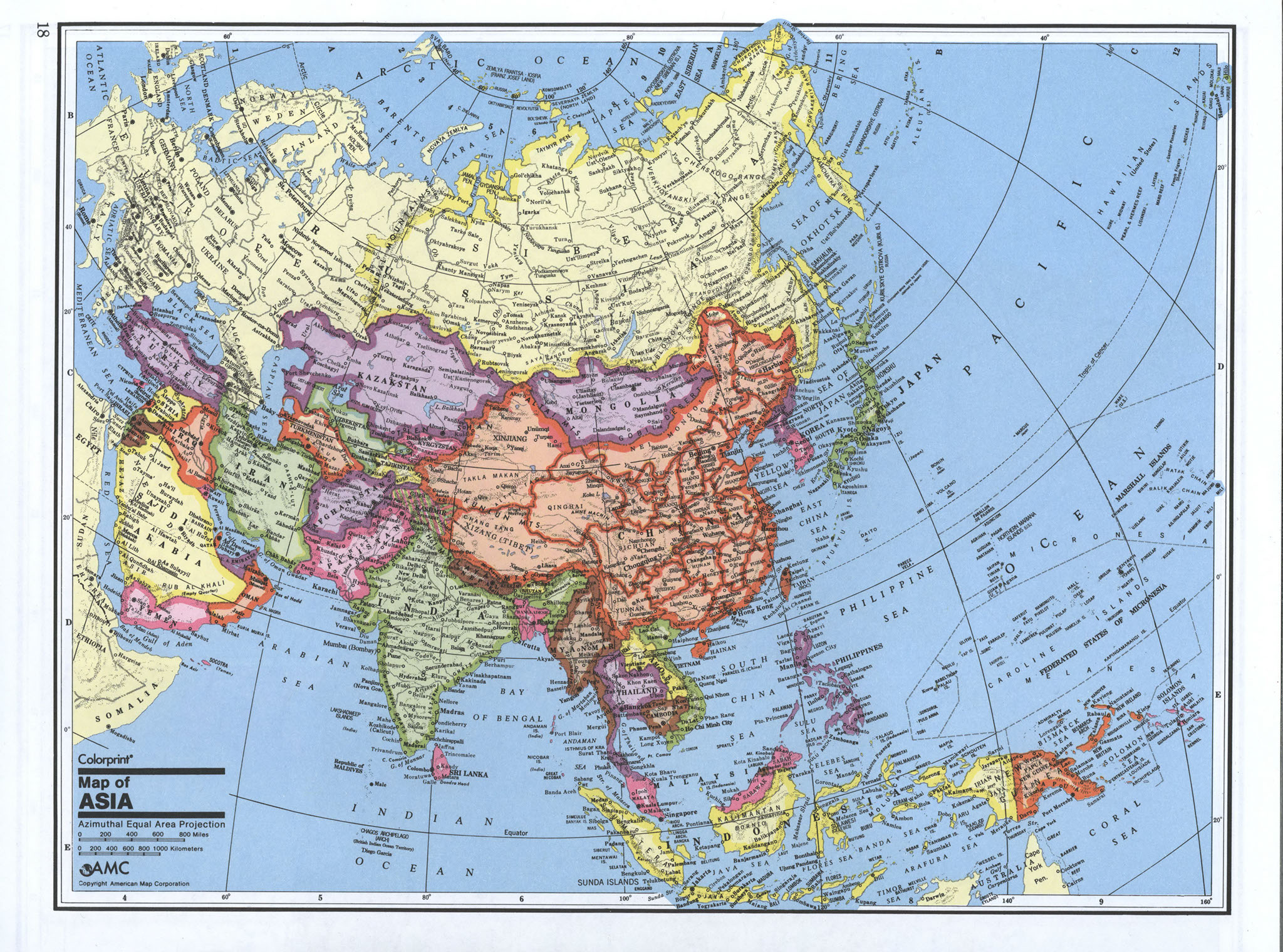
Finance ministers and central bankers gathered in Bangkok this week for the annual meetings of the International Monetary Fund and the World Bank. The mood in Thailand isn't panic, but it's far from celebratory. The global economy is currently caught in a strange tug-of-war. On one side, you have soaring energy prices driven by regional conflict. On the other, a massive, unexpected demand shock powered entirely by artificial intelligence investments.
The IMF just updated its global growth forecast to 3.1% for the year, bumping it up slightly from previous expectations. That's a milder slowdown than many feared. But beneath that headline number, economic resilience is wearing thin. For another look, consider: this related article.
The Great Economic Split
To put it plainly, the world economy is being pulled in two opposite directions. Kristalina Georgieva noted that we are witnessing a severe divergence across nations.
Growth has become hyper-concentrated. Just 32 economies now account for a staggering 95% of global growth. That number dropped sharply from 54 economies just months ago. Meanwhile, nearly half of the world's economies have seen their growth forecasts downgraded. Further analysis regarding this has been shared by Reuters Business.
Europe is dragging. The euro area is stuck growing at just 1.1% this year due to high energy costs and stagnant consumer confidence. Britain sits at 1.3%, while Japan limps along at 0.7%. On the flip side, economic powerhouses like India continue to charge ahead at 7.0%.
How Silicon Valley Offset the Energy Shock
You might wonder how global growth managed to tick upward while energy supplies faced severe disruptions from conflict. The answer is simple: massive corporate spending on computing infrastructure.
Data center construction, semiconductor manufacturing, and software integration have injected trillions into commercial markets. This tech-driven capex boom acted as a shock absorber. Without it, the energy supply squeeze would have tipped fragile markets straight into recession territory.
Yet, relying on code and server racks to bail out traditional macroeconomics has its limits.
The Mounting Debt Trap
Policymakers in Bangkok are spending their closed-door sessions sweating over public debt. Governments across the globe borrowed heavily to survive recent crises. Now, high interest rates are making those debt servicing costs painful.
The IMF's warning is blunt: countries need to rein in public spending. But doing that while ordinary citizens struggle with sticky inflation and climate-related disruptions is politically toxic. Governments are trapped between fiscal discipline and social unrest.
What This Means for You
If you're running a business or managing personal investments, don't let the 3.1% global growth figure fool you into thinking everything is fine. The average is hiding massive geographic and sector-specific friction.
- Watch energy exposure: Geopolitical energy shocks are unpredictable. Diversifying your supply chain or operational energy sources isn't optional anymore.
- Separate hype from reality in tech: The AI boom is propping up macroeconomic numbers, but individual tech investments require strict valuation discipline. Not every company benefiting from the hype train has solid fundamentals.
- Prepare for tighter fiscal policy: Governments are running out of fiscal headroom. Expect tighter tax policies or reduced public subsidies as states try to balance their books.
The global economy is surviving on artificial life support and sheer technological momentum. That cushion is holding for now, but it's getting thinner by the day.