Journalism is supposed to comfort the afflicted and afflict the comfortable. Right now, major broadcasters feel plenty of affliction from Washington, and the resulting self-censorship is changing what Americans see on television. When a multi-billion-dollar network admits it's second-guessing basic news choices because a federal agency holds a figurative guillotine over its broadcast licenses, the entire media ecosystem is in trouble.
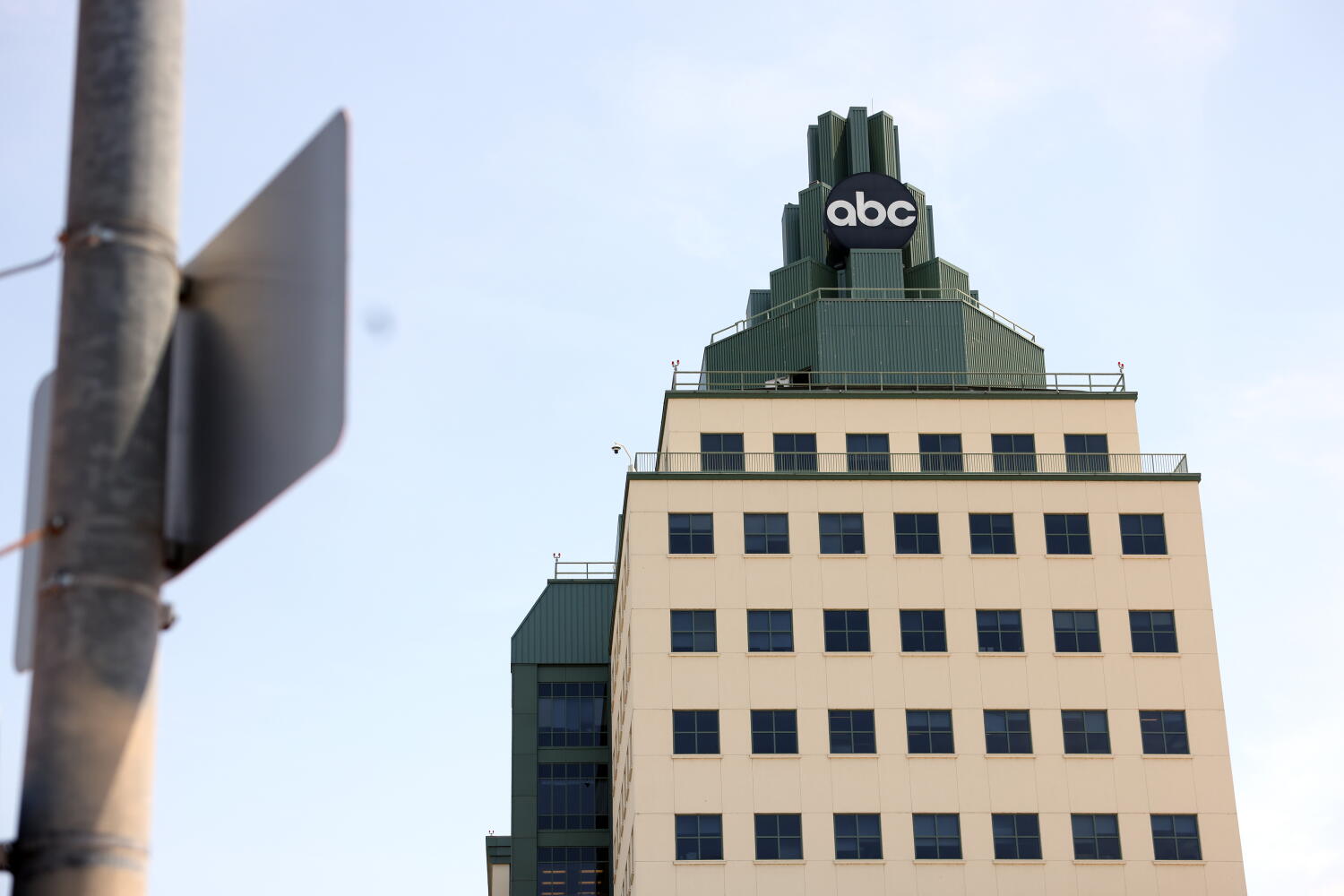
During an October 2026 federal court hearing in Washington, attorneys representing Disney and ABC laid bare a chilling reality. The Federal Communications Commission's early review of broadcast licenses isn't just bureaucratic busywork. It's an active weapon being used to punish editorial decisions, force compliance, and induce a pervasive fear of stepping out of line.
The Anatomy of a Regulatory Clash
The roots of this standoff trace back to early 2026. The FCC, led by Chairman Brendan Carr, ordered Disney to file early license renewals for eight major-market ABC-owned television stations—including key outlets in New York, Los Angeles, Chicago, and San Francisco. Stations normally face renewal every eight years, with the current cycle not slated to conclude until late 2028. Moving the timeline up by years was anything but routine.
The regulatory squeeze followed public friction between the network, comedian Jimmy Kimmel, and President Donald Trump. When ABC skipped broadcasting a presidential address live, FCC leadership made it clear that programming choices would factor into the license reviews. For a network dependent on federal licenses to operate its local broadcast towers and affiliate transmitters, the message was loud and clear.
Disney fought back, filing a federal lawsuit alleging blatant First Amendment violations and unconstitutional retaliation. During oral arguments before U.S. District Judge Loren L. AliKhan, ABC's legal team argued that the looming threat over eight lucrative station licenses forces the network into an impossible corner. Editors and executives are actively second-guessing news coverage decisions, spiking or softening stories to avoid triggering regulatory wrath.
Why Early License Reviews Threaten Free Speech
You don't need a constitutional law degree to understand why tying TV station licenses to political approval is dangerous. Broadcasters operate under public interest standards, but those standards have historically been insulated from partisan whims. If an administration can weaponize the renewal process whenever it dislikes a late-night monologue, an investigative report, or a guest on a morning talk show, editorial independence dies a quiet death.
During the October hearing, government attorneys argued that the agency hasn't officially stripped any licenses yet, claiming Disney jumped the gun by running to court prematurely. But that argument ignores the psychological reality of regulatory pressure. When a regulator publicly scrutinizes your corporate employment policies, questions your news exemption status, and dangles the threat of shutting down your flag-ship stations in major media markets, you don't wait for the axe to fall. You start hedging your bets. You pull punches. You avoid controversial topics.
That is the textbook definition of a chilling effect.
The Broader Industry Fallout
The National Association of Broadcasters has warned that turning routine license renewals into partisan loyalty tests threatens the entire broadcasting framework. If ABC can be hauled into an early review because political figures dislike its tone, Fox, NBC, CBS, and local independent stations could easily be next on the chopping block.
Media consolidation and corporate ownership already pose massive hurdles to hard-hitting journalism. Add aggressive government retaliation to the mix, and you get a homogenized media landscape where risk-taking is entirely replaced by self-preservation. When networks begin filtering hard news through the lens of regulatory survival, the public loses its right to an unfettered press.
The federal judge has yet to rule on Disney's request for an injunction, and the Department of Justice faces mounting pressure to justify the legal limits of its oversight. No matter how the district court rules, the damage to editorial confidence is already done. Watch what networks choose not to cover in the coming months. The empty spaces in the news cycle will tell you everything you need to know about who's really running the newsroom.