Silicon is the new oil, and South Korea just locked down the supply chain.
Samsung Electronics and SK Hynix recently finalized massive supply agreements with American tech giants totaling a staggering $950 billion. If you think artificial intelligence is just a software trend, look at the physical hardware required to keep servers running. You cannot scale large language models or build massive data centers without advanced memory chips. Right now, South Korea basically holds the keys to the kingdom. If you found value in this piece, you should read: this related article.
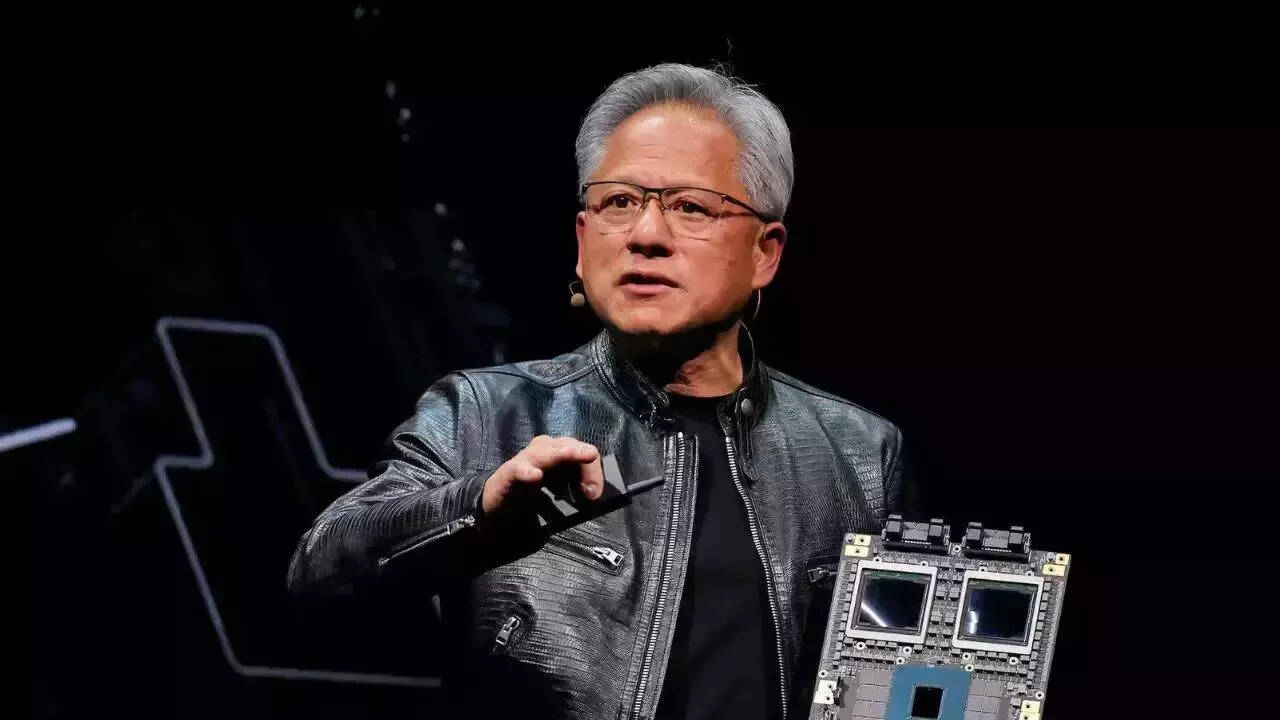
President Lee Jae Myung traveled to San Francisco to seal these partnerships, meeting directly with industry heavyweights like Nvidia chief Jensen Huang, OpenAI boss Sam Altman, Anthropic leader Dario Amodei, and Broadcom executive Hock Tan. The resulting numbers are enormous, but the structural shift in the tech industry matters much more than the headline figures.
Breaking Down the Numbers
The total package splits into two primary, colossal commitments. SK Hynix locked in a five-year framework worth $750 billion to supply advanced memory components to American firms, with Nvidia leading the charge. Meanwhile, Samsung Electronics inked a $200 billion memorandum of understanding with Broadcom. Samsung will provide specialized foundry services and cutting-edge memory solutions tailored for next-generation artificial intelligence accelerators. For another perspective on this story, see the recent coverage from MarketWatch.
These aren't casual handshake agreements. They represent long-term survival tactics for American artificial intelligence firms terrified of component bottlenecks. Without a guaranteed stream of high-bandwidth memory, hardware production halts entirely. Jensen Huang and other Silicon Valley executives understand that standard supply chains cannot handle the exponential surge in compute demand. They need dedicated partners who can manufacture components at a planetary scale.
Why High-Bandwidth Memory Rules the Market
Most casual observers confuse standard computer memory with the specialized hardware powering modern data centers. Traditional chips cannot shuffle data fast enough to keep up with graphic processing units. High-bandwidth memory stacks multiple memory dies vertically, creating a wide highway for data to flow directly into processors.
South Korea's top two manufacturers, alongside American competitor Micron, control the vast majority of this specialized manufacturing capacity. When you build massive training clusters for artificial intelligence, you depend entirely on these stacks. SK Hynix and Samsung spent years pouring billions into research and development while others hesitated. Now, that gamble is paying off in historic fashion.
The demand extends far beyond basic chatbots. Companies are racing toward agentic artificial intelligence and physical automation systems that require instantaneous data retrieval. Every upgrade in model complexity requires a corresponding leap in memory bandwidth.
The Geopolitical and Economic Ripple Effects
South Korea's government isn't sitting back, either. Seoul recently committed to tripling public spending on artificial intelligence development to cement its status alongside the United States and China as a dominant global tech power. This strategy connects national security directly to corporate balance sheets.
When your entire national economic outlook ties to silicon fabrication, local infrastructure transforms. Power grids, water supply, and specialized labor markets must adapt to support massive fabrication plants. At the same time, massive corporate windfalls change labor dynamics at home, forcing companies to negotiate aggressively with internal unions over bonuses and profit-sharing as revenues climb.
Expect other nations to scramble for their own domestic semiconductor guarantees. The era of open market chip sourcing is fading fast. Supply chain security now dictates corporate strategy at the highest levels. Companies that fail to lock down long-term manufacturing capacity will get left behind in the race for computational dominance.