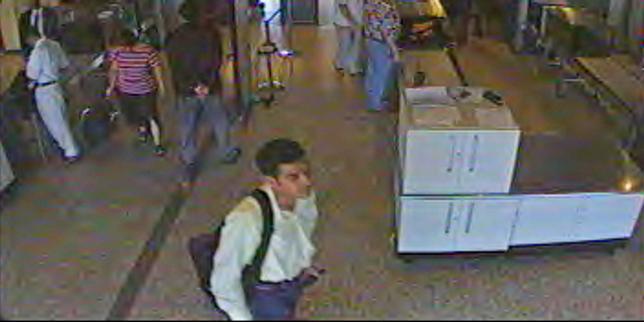
You remember walking through airport security before 2001, right? Shoes on, liquids in your carry-on without a second thought, and family members walking you all the way to the boarding gate. It feels like ancient history now. Everything changed on a Tuesday morning when commercial airliners were weaponized, instantly shattering the illusion that cockpit doors were secure and airport checkpoints were airtight.
Let's look at what actually happened behind the scenes of global aviation security after those attacks.
The Cockpit Door Revolution
Before September 2001, pilots could easily open their doors to chat with flight attendants or passengers. Hijackers exploited this openness with box cutters and knives that easily slipped past primitive metal detectors.
Within weeks, airlines rushed to reinforce cockpit doors. They installed bulletproof, impact-resistant barriers that locked from the inside. Crew members received strict instructions: no matter what happens in the cabin, the flight deck stays sealed. That single architectural shift stopped cockpit takeovers dead in their tracks for the next two decades.
Checkpoint Controls and the Liquid Ban
Airport screening underwent a brutal overhaul. Governments realized that traditional metal detectors were completely blind to non-metallic threats, ceramic blades, and liquid explosives.
If you travel today, you know the drill. Take off your belt, strip off your shoes, pull out your laptop, and restrict your shampoo bottles to tiny plastic bags. Regulators introduced these rules after intelligence agencies uncovered sophisticated plots involving liquid binary explosives. It's annoying, it creates massive queues, but aviation authorities refuse to back down because the stakes remain too high.
Intelligence Sharing and Air Marshals
Securing the physical airport wasn't enough. Governments built international databases to track suspicious passengers long before they reached a ticket counter. Flight manifest data is now transmitted to destination countries hours before takeoff.
Secretive federal air marshal programs expanded dramatically. Armed undercover officers started flying commercial routes quietly blending in with everyday passengers. Meanwhile, passengers themselves changed. On flight UA93, ordinary people realized that standard hijacking rules no longer applied—they fought back. Today, hijackers know they won't just face a crew; they'll face an entire cabin of desperate passengers ready to neutralize a threat.
The Cost of Permanent Vigilance
We trade convenience for safety every single time we step into an airport terminal. Billions of dollars flow into scanning technologies, biometric facial recognition, and continuous threat assessments.
The system isn't foolproof, and vulnerabilities still exist in cargo security and regional airports. Yet, commercial aviation remains one of the safest modes of transportation on Earth because the industry learned its hardest lesson in blood and fire. Stay alert next time you fly, and remember the quiet machinery working behind the scenes to keep you safe.