Splitting up on a trail is rule number one of outdoor survival. Yet people do it anyway. When 83-year-old Gerald Guinn separated from his companion near the North Rim of the Grand Canyon to look for a historic object, things went sideways fast.
He didn't return. He didn't have heavy camping gear. And in a remote area near Forest Service Road 610, twenty-four hours can feel like an eternity.
The successful operation to find him offers a masterclass in modern wilderness search and rescue operations, showing how agency coordination saves lives when public lands turn hostile.
What Happened on the North Rim
The timeline of the incident highlights how quickly a standard afternoon walk turns into a high-stakes emergency. Guinn and another person started hiking around 12:30 p.m. on July 21. They broke apart near the edge of the Kaibab National Forest.
When Guinn failed to show up, his companion searched for hours before sounding the alarm. The Grand Canyon Regional Communications Center received the missing person report around 5:00 p.m.
Local teams from the Kane County Sheriff's Office immediately deployed drones, ground crews, and search dogs for an overnight sweep. When morning broke, the Grand Canyon National Park Service took operational command. They added specialized helicopter units and extra personnel to cover ground faster.
The Breakthrough Discovery
Air support changed the math. At roughly 6:30 p.m. on July 22, an NPS helicopter spotted Guinn during a reconnaissance flight about 2.5 miles away from where he was last seen.
He managed to wave to the pilot. That single visual confirmation stopped the clock on a grim ticking scenario.
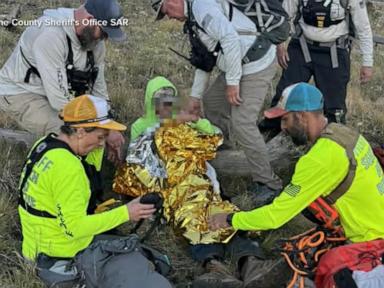
Because the terrain prevented the helicopter from landing directly next to him, ground teams had to execute a grueling litter carry. Roughly twenty rescue personnel worked together to clear downed logs, flag hazards, and pack him out manually. Rescuers found him cold and non-ambulatory, but in good spirits. They warmed him up, provided fluids, and transferred him to emergency medical services by 1:30 a.m.
Lessons From the Grand Canyon Operation
Most casual visitors underestimate how fast temperatures drop and distances distort in the American Southwest. A few key survival takeaways emerge from this close call.
- Never split up from your group, even for a quick side trip.
- Pack emergency gear including a whistle, extra water, and layers, even on short walks.
- Cell phone pings and aerial drones remain absolute game changers for location tracking.
If you plan to hike remote sections of national parks this season, check your ego at the trailhead. Stay together, know your limits, and respect the wilderness.