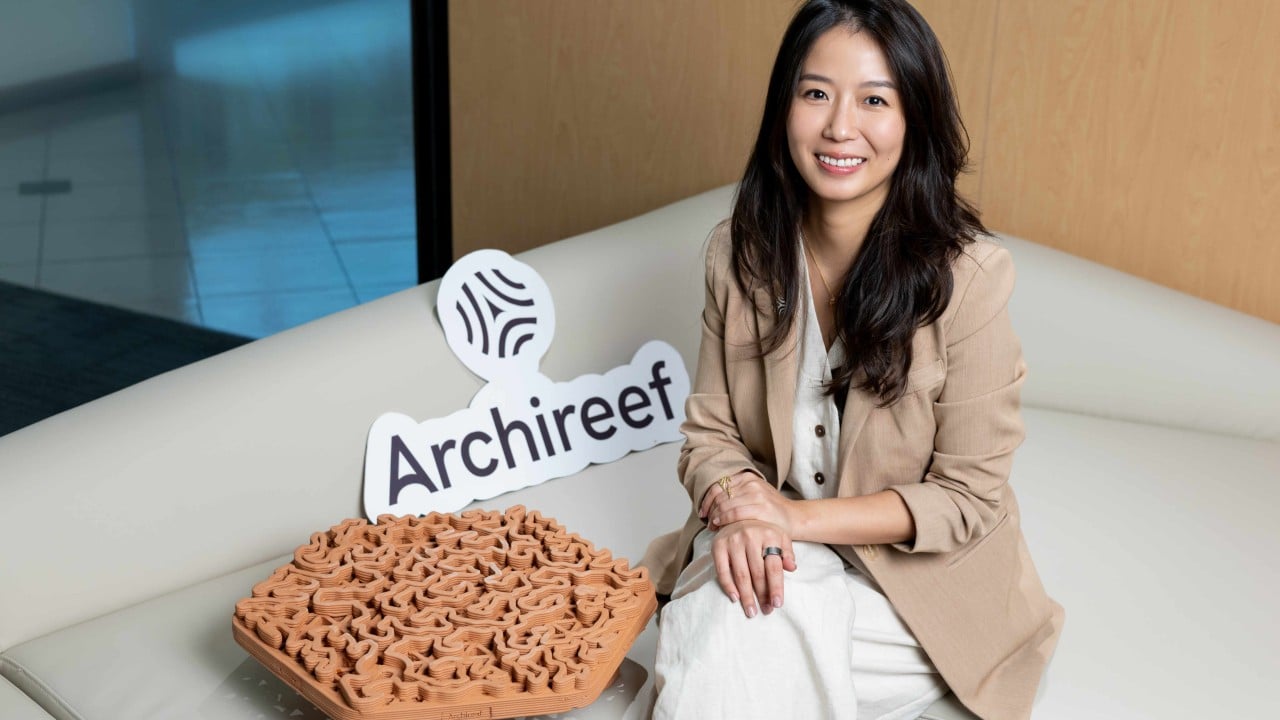
Marine ecosystems face unprecedented collapse worldwide, but a team of innovators in Hong Kong is fighting back using an unexpected medium: clay. Traditional marine restoration methods relied on heavy concrete structures, metal frames, or plastic mesh that often degraded or disrupted local seabeds. Vriko Yu and the team behind archiREEF realized they needed a completely different approach to rebuild destroyed marine habitats.
Instead of traditional materials, they turned to 3D printing and terracotta. By designing hexagonal ceramic reef tiles, they created stable, non-toxic foundations that allow young corals to anchor and thrive. Traditional cement blocks can shift in heavy currents and alter water pH levels, but terracotta matches the chemical composition and texture of natural seafloors. For an alternative perspective, read: this related article.
Why Terracotta Changes Marine Conservation
Coral larvae are picky. They won't attach to smooth, unnatural, or toxic surfaces. Terracotta offers a rough, porous texture that organic marine life naturally recognizes as home. When fired at high temperatures, the clay becomes inert and durable, resisting bio-fouling and chemical breakdown.
The design of these 3D-printed tiles isn't just about flat surfaces. The intricate geometry mimics natural crevices and micro-habitats, sheltering juvenile fish and crustaceans while protecting fragile coral polyps from predators. This architectural complexity helps rebuild entire food webs, not just isolated coral colonies. Similar coverage on the subject has been provided by Ars Technica.
Real Results in Fragile Waters
Hong Kong's coastal waters have suffered decades of industrial runoff, land reclamation, and severe temperature spikes. Traditional coral planting often failed because fragments slid off flat rocks or succumbed to sediment smothering.
With custom 3D-printed tiles, survival rates skyrocketed. Field studies demonstrate a remarkable 95% survival rate after three years, outperforming conventional restoration techniques by massive margins. When you give corals a specifically engineered sanctuary, they grow four times faster and stabilize themselves against heavy storm surges.
Scaling Ocean Restoration Globally
What started as a local experiment at the Swire Institute of Marine Science has evolved into an international movement. The startup has expanded its reach to locations like Abu Dhabi, where rising Persian Gulf temperatures threaten native marine species. Industrial-scale 3D printers now mass-produce custom tiles designed to assist heat-stressed corals in migrating to deeper, cooler waters.
This technology bridges the gap between high-end digital design and gritty field conservation. You don't just dump materials into the ocean and hope for the best. You print precise geometries tailored to local currents, species requirements, and substrate conditions.
If we want to reverse marine degradation before tipping points pass us by, engineering with nature rather than against it is the only path forward. Stop viewing conservation as purely a biological problem. It's an engineering challenge, and clay is rewriting the rules.
3D printed tiles help revive coral beds in Hong Kong coastal waters
This video provides a first-hand look at how marine researchers use 3D-printed tiles to restore coral reefs in Hong Kong waters.