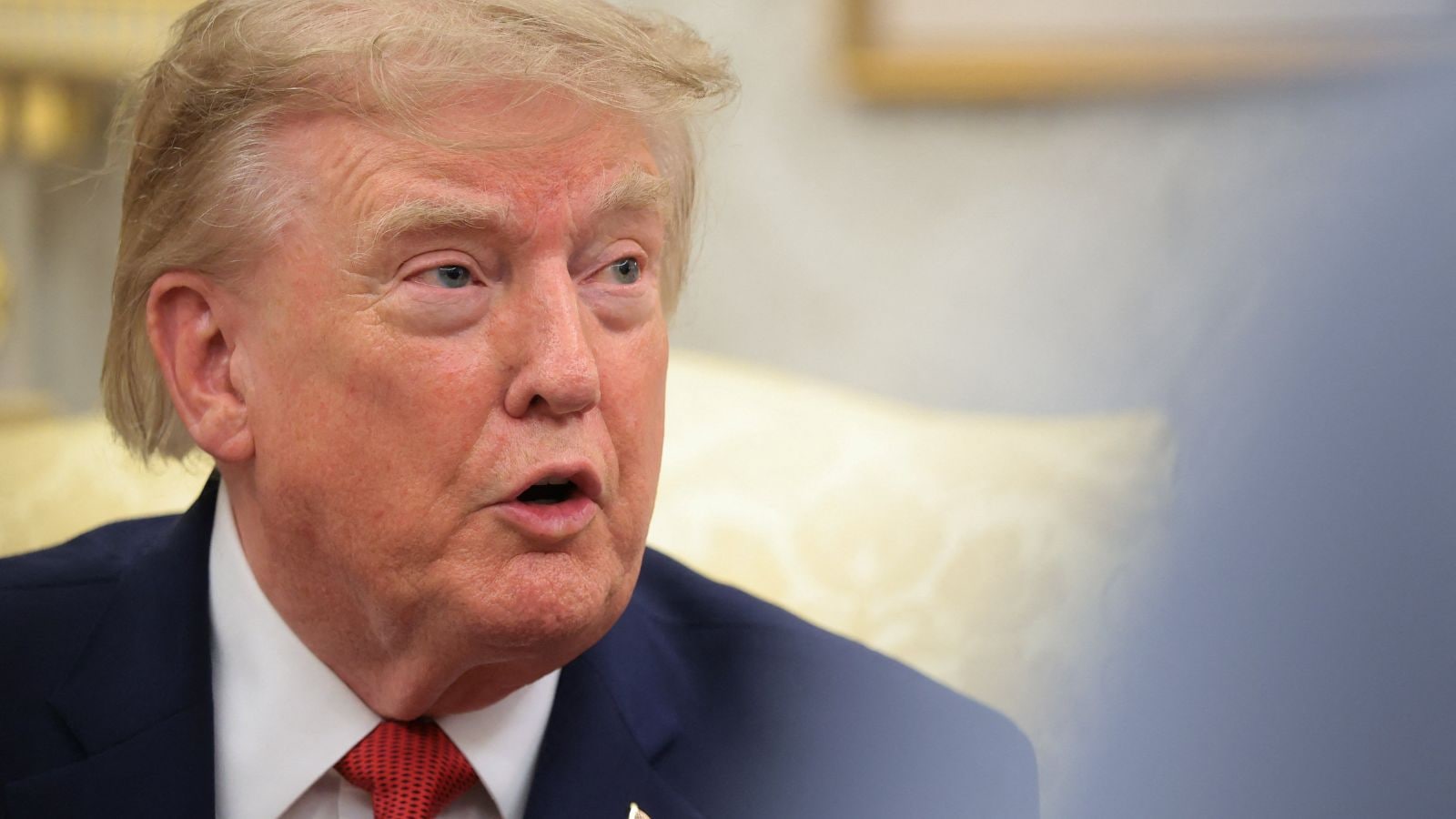
You’ve likely seen the headlines. President Donald Trump recently posted on Truth Social, claiming that a U.S. Census Bureau review of 2020 election records identified 24,000 noncitizens who voted illegally. He followed this with a declaration that he actually won the 2020 election. It’s a bold assertion, but if you look at the actual data and the way federal agencies function, the story is far more complicated than a simple smoking gun.
Let’s be direct. People search for this because they want to know if their vote counts and if the system is secure. They deserve clear answers without the political noise.
What is the actual data saying
The core of this claim rests on a review of 128 million voter records compared against citizenship documentation. According to the President’s post, this initial cross-check surfaced 24,000 instances where a voter’s record didn’t align with a U.S. citizenship confirmation in the federal database.
Here is the problem: Federal databases are not perfect. In fact, they are notorious for having "false positives." A mismatch between a voter roll and a citizenship database doesn't automatically mean someone broke the law. Often, it means the government hasn't updated its own records.
Think about naturalized citizens. If a person goes through the legal process of becoming a U.S. citizen, the Social Security Administration or other federal agencies might not receive or process that update immediately. When these lists are compared by machines, those newly minted citizens show up as "noncitizens" simply because the paperwork hasn't caught up to reality. It's an administrative lag, not a criminal conspiracy.
Why the numbers don't change the 2020 outcome
Even if we take the figure of 24,000 at face value—which experts caution against doing—it doesn't flip the 2020 election. Joe Biden won by more than 7 million votes nationwide. In the specific battleground states that determined the Electoral College winner, the margins were in the tens of thousands.
To challenge an election result, you need more than a broad number. You need to prove that those specific ballots were cast for the losing candidate in the specific precincts where the outcome was close. Identifying a person as a potential noncitizen doesn't tell you who they voted for.
History shows that noncitizen voting is exceptionally rare. Investigations by the Brennan Center for Justice and other research organizations have consistently found that when individual cases are scrutinized, the vast majority are the result of clerical errors or honest misunderstandings. A green card holder might accidentally register at a DMV, assuming they are allowed to participate in local elections, or a database might flag a person who is, in fact, a citizen.
The political context of the SAVE America Act
The timing of this claim isn't random. It serves as a primary argument for the SAVE America Act, which seeks to mandate proof of citizenship for federal voter registration. Supporters of the bill argue that the U.S. relies too heavily on "self-attestation." They point to countries like India, which use biometric-linked voter IDs, and argue the U.S. needs more rigorous upfront verification.
Critics, however, raise a valid point. They worry that strict, mandatory documentation requirements will disenfranchise millions of eligible, registered voters who might not have a passport or a birth certificate immediately on hand. It's a classic struggle between two competing priorities: ensuring the absolute integrity of the voter rolls and ensuring that every legal voter has easy access to the ballot box.
How to navigate these headlines
When you see a report about "thousands of illegal votes," ask these three questions before forming an opinion:
- Is there a confirmed legal prosecution? A flag in a database is just a flag. A conviction in a court of law is evidence.
- What does the error rate look like? Every time the government attempts to scrub voter rolls, they catch eligible voters in the net. Look for the "false positive" rate.
- Does the scale impact the result? Always compare the alleged illegal count to the actual margin of victory.
If you want to ensure your own registration is correct, don't rely on news headlines. Go directly to your state’s official Secretary of State or election division website. They provide the only verified, legally binding information regarding your voter status. If you moved recently or changed your name, update your registration there. It takes ten minutes and it’s the most effective way to protect your right to participate in the process.
The debate over election integrity is ongoing, and it's likely to intensify as we approach future cycles. Don't let the noise distract you from the mechanics of how your local election board actually operates. That’s where the real work happens.