Artificial intelligence is moving faster than the laws meant to govern it, and local leaders are starting to sweat. Nearly two dozen states have banded together to demand that Congress step up and pass strict federal rules for artificial intelligence, citing massive vulnerabilities in national security and local infrastructure.
If you think this is just standard political posturing, look closer. State capitals are dealing with the messy reality of synthetic media, resource-draining data centers, and autonomous systems while Washington drags its feet. When state officials start sounding alarms about critical infrastructure, it means the ground is shifting beneath our feet.
Why State Leaders Are Sounding the Alarm
Local and state governments are the first line of defense when things break. They manage the power grids, oversee local elections, and protect public utilities. Unchecked artificial intelligence development puts every single one of these pillars under pressure.
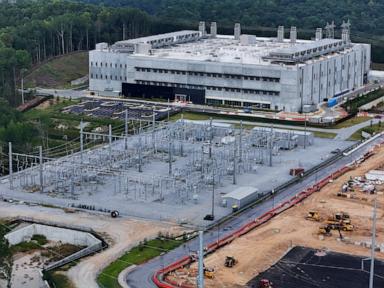
Consider the energy drain alone. Massive training facilities for large language models suck up electricity and water at staggering rates. Local utility providers are scrambling to keep up with power demands that look more like small cities than tech offices. States are left holding the bag, trying to balance grid stability with corporate expansion promises.
Then there is the threat to public safety and democratic integrity. Deepfakes and AI-generated misinformation already interfere with local elections and scam everyday citizens. States have tried to pass their own laws, creating a fragmented patchwork of regulations that tech companies hate and lawyers love.
The Clash Between Federal Inaction and Local Reality
Right now, trying to navigate artificial intelligence rules in America is a mess. California, Colorado, and other states have attempted to build their own guardrails, only to run into legal roadblocks, industry pushback, and the reality that state borders don't mean much to digital code.
Federal leadership remains deeply divided. While some executive figures argue that heavy-handed rules will hand technological dominance to international competitors like China, state coalitions argue the opposite. They believe that a lack of federal standards creates chaos, leaving citizens unprotected against automated fraud, workforce displacement, and security breaches.
You cannot run a modern economy on fifty different sets of state rules. Tech companies want clarity, but consumers want safety. Right now, neither side is getting what they need because federal lawmakers are caught in endless debate.
What Needs to Happen Next
Congress needs to stop treating artificial intelligence like a sci-fi experiment and start treating it like the critical infrastructure it powers.
- Establish unified federal standards: Replace the confusing state-by-state patchwork with clear, baseline safety rules for high-risk models.
- Protect the energy grid: Require major tech developers to disclose resource consumption and contribute directly to local infrastructure upgrades.
- Secure public communications: Fund state-level resources to combat advanced synthetic fraud and election interference.
The window to set sensible guardrails is closing fast. Waiting for a catastrophic infrastructure failure before taking action is a gamble we shouldn't take.