Every October, the world watches Stockholm to see which brilliant minds will secure science and culture's most glittering prize. The 2026 Nobel Prize announcements have officially kicked off, bringing a heavy sigh of relief from committee members who are quietly hoping for a calm news cycle. Past years turned Stockholm's grand scientific selections into geopolitical flashpoints, forcing institutions to defend choices that divided public opinion.
Let's be real. When politics or social media outrage overshadow ground-breaking research, the original purpose of Alfred Nobel's vision gets lost in translation. This week's rollout began with the medicine prize going to Karl Deisseroth, Peter Hegemann, and Georg Nagel for optogenetics—a breakthrough using light to control nerve cells. It is pure, foundational science that changed neuroscience forever. Yet, the road leading up to these announcements was filled with intense speculation over whether committees would wade into messy modern medical trends or geopolitical minefields.
The Weight of Global Expectations
Predicting these winners feels less like academic forecasting and more like a high-stakes horse race. Leading up to the opening envelope, speculators heavily tipped appetite-regulating hormone research linked to modern weight-loss medications. While those drugs dominate global headlines and pharmaceutical boardrooms, awarding a Nobel so quickly can spark fierce commercial and ethical debates. Committees walk a tightrope between recognizing immediate societal impact and waiting decades to ensure a discovery stands the test of time.
That caution is precisely why the selection bodies try to keep their eyes on the microscope rather than the trending tab. When a prize goes to fundamental physics, chemistry, or physiology, it usually anchors human progress in verifiable reality. You don't have to guess whether optogenetics works; labs across the planet use it every single day to map brain circuits.
Why the Peace Prize Stays Under the Microscope
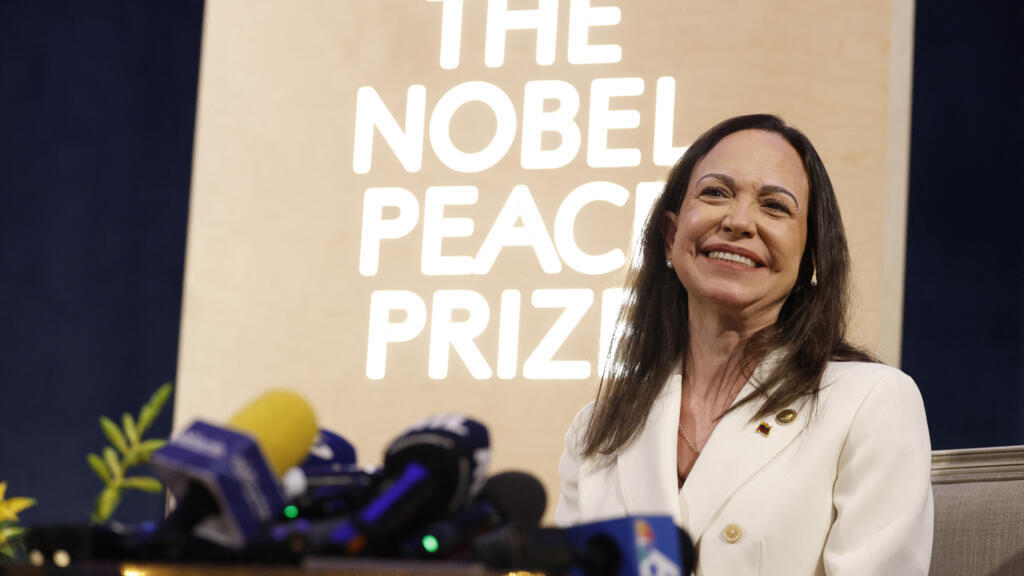
While scientific categories can retreat into laboratories, the Nobel Peace Prize—scheduled to be announced in Oslo—rarely escapes public scrutiny. Past choices have drawn sharp criticism from diplomats and activists who argue that the Norwegian Nobel Committee rewards political aspirations rather than realized peace.
In a world fractured by ongoing conflicts across Europe, the Middle East, and parts of Africa, the pressure on the 2026 peace committee is immense. Pick a high-profile political actor, and you risk endorsing a controversial figure. Pick a grassroots organization, and critics claim it lacks geopolitical teeth. It's a lose-lose scenario that guarantees debate, regardless of the envelope's contents.
What the Selection Process Actually Looks Like
Behind the closed doors of the Royal Swedish Academy of Sciences, thousands of academics, previous laureates, and university professors submit nominations each winter. The evaluation process takes months of grueling peer reviews.
Committees intentionally enforce a fifty-year secrecy rule on nomination lists to shield nominators and nominees from political lobbying. If you've ever wondered why certain favorites get passed over year after year, it usually comes down to this rigid bureaucratic filter. A discovery might change the world tomorrow, but the committee wants absolute proof that the ripple effects are permanent.
Moving Forward Without the Noise
We expect these prizes to validate our highest intellectual achievements, but we also weaponize them for cultural debates. When the remaining announcements for physics, chemistry, literature, and economics roll out this week, the best outcome is simple. Let the science speak for itself. Let literature celebrate art without a mandatory ideological audit.
Keep track of the live announcements through official channels if you want to bypass the internet commentary and look directly at the research shaping tomorrow. Read up on the winning papers, check out how optogenetics or upcoming laureates actually function in the field, and ignore the manufactured outrage. Real human progress doesn't need a viral moment to matter.
:max_bytes(150000):strip_icc():focal(599x0:601x2)/sydney-sweeney-emmys-2025-5feae831f782414085c56ff6c1efc704.jpg)