America is about to spend nearly twelve billion dollars on an election where the sitting president isn't even on the ballot. Welcome to the 2026 midterm cycle, a high-stakes referendum on Donald Trump’s second term that will determine who controls Capitol Hill, thirty-six state governorships, and thousands of local legislative seats.
If you're wondering why campaign spending is shattering historical norms while voters remain deeply divided, you have to look past the routine political noise. This isn't just another routine election cycle. It's a massive financial and political clash that will define the final two years of the presidency.
The Math Behind the Madness
Let's talk numbers because they tell the real story of this election. Every single one of the four hundred thirty-five seats in the House of Representatives is up for grabs. Republicans currently hold a razor-thin advantage, and Democrats need a net gain of just a few seats to wrest control away from the GOP.
Over in the Senate, Republicans hold a 53-47 cushion, meaning the math is tighter than ever. If Democrats flip either chamber, Trump's legislative agenda hits a brick wall, opening the door to aggressive congressional investigations and immediate gridlock.
Then there's the money. Ad-tracking firms like AdImpact and Kinetiq Political Insights project total political ad spending to hit nearly twelve billion dollars. That completely obliterates the previous midterm record set back in 2022 and even outpaces spending from the 2024 presidential cycle. To put that in perspective, the primary race for the California governorship alone sucked up a staggering three hundred thirty million dollars in advertising.
What Voters Actually Care About
Politicians love to talk about grand ideological visions, but voters care about their wallets and their daily safety. Recent polling data highlights a distinct disconnect between Washington and Main Street. A significant portion of registered voters report that current economic policies have hurt their household finances, putting cost-of-living concerns front and center.
At the same time, foreign policy conflicts, inflation pressures, tariffs, and emerging tech regulations are driving voter anxiety. When people walk into the voting booth, they aren't thinking about abstract party platforms. They are thinking about gas prices, job security, and global instability.
The Absent President Factor
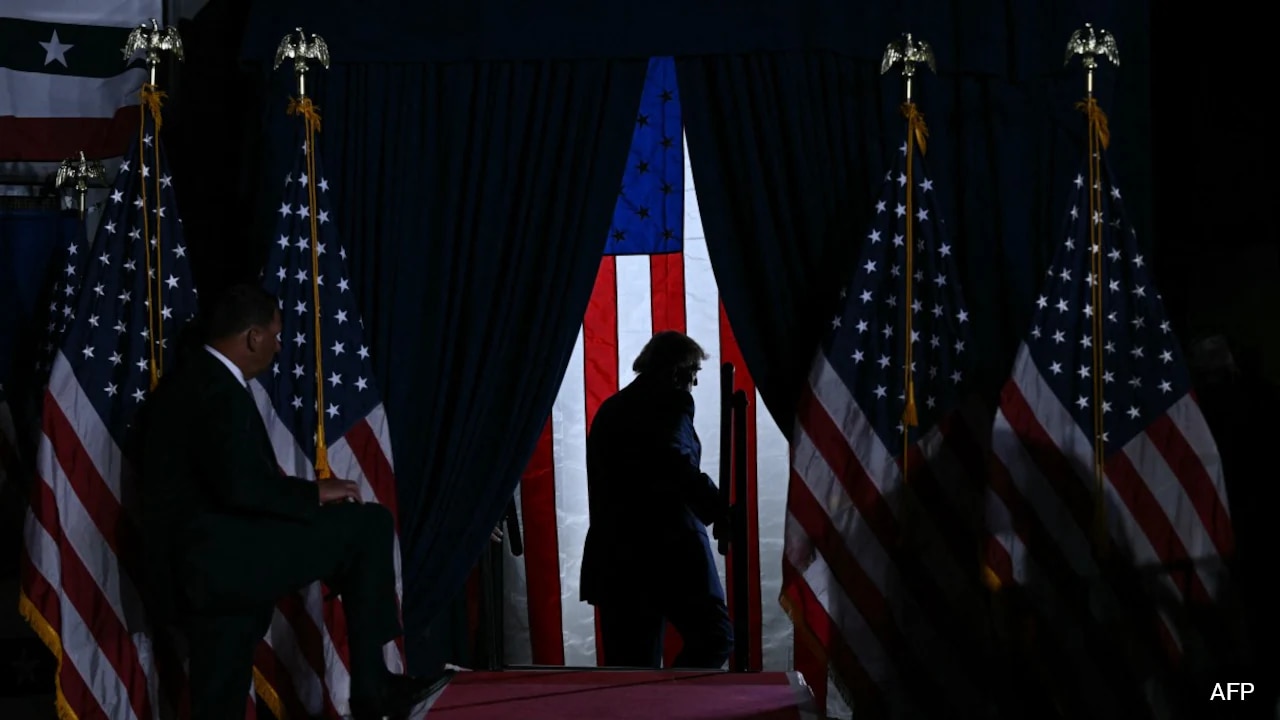
Donald Trump’s name might not be printed on a congressional ballot this November, but his shadow looms over every single race across the country. He’s been barnstorming key battleground states to rally support for Republican candidates, trying to protect his legislative majority.
Yet, presidential coattails are notoriously weak during midterms. Midterm electorates traditionally use the vote to push back against the party in power. Turnout dynamics and local candidate strength often override presidential endorsements, leaving the White House scrambling to protect its congressional firewall.
What Happens Next
As campaigning enters its final frantic weeks, candidates are pouring millions into digital ads, grassroots mobilization, and relentless media blitzes. Hundreds of legislative rematches from 2024 are playing out all over again, proving that American voters love a political sequel.
The outcome will reshape federal oversight, stall or accelerate White House policies, and set the stage for the next presidential cycle. Keep your eyes on the tightest House districts and key Senate battlegrounds as the final ballots are counted.
:max_bytes(150000):strip_icc():focal(599x0:601x2)/sydney-sweeney-emmys-2025-5feae831f782414085c56ff6c1efc704.jpg)