A fourteen-year-old boy is scheduled to stand in front of a magistrate at Westminster Magistrates' Court. Most kids his age are planning their summer holidays, playing video games, or thinking about secondary school. This boy is facing a life-altering charge under Section 5 of the Terrorism Act 2006: preparation of terrorist acts.
The teenager from south London allegedly planned to target two local mosques in the Sutton area. It is a terrifying reality that raises immediate, difficult questions. How does a child who is barely old enough to watch a PG-13 film on his own end up planning a coordinated terror attack?
The details of this case are chilling. More than that, they point to a much wider, systemic crisis that British society has been slow to address.
How a Broken Car Window Revealed a Terror Plot
The investigation did not start with a dramatic counter-terrorism raid. It started with a broken car window.
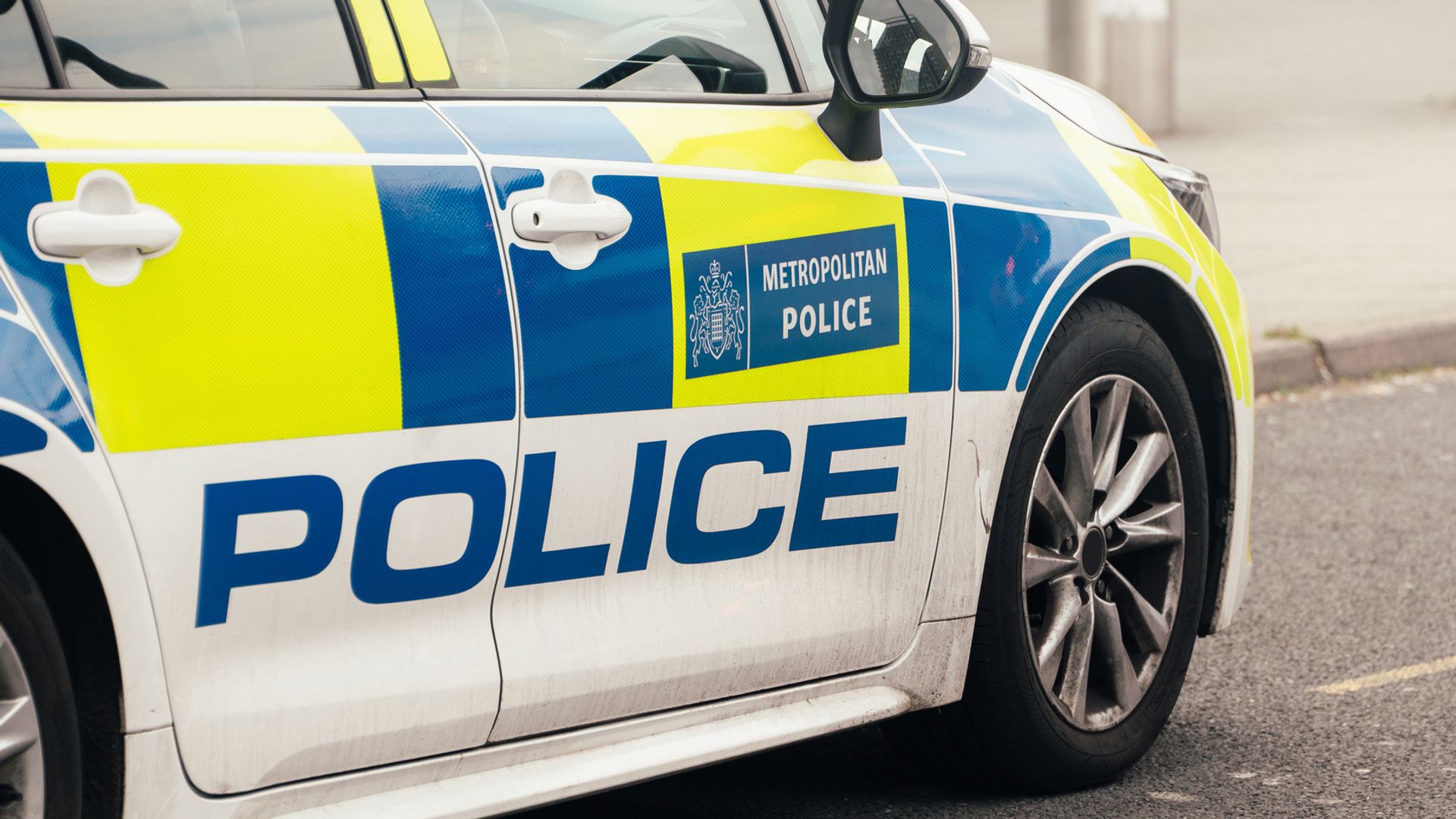
On July 9, 2026, Metropolitan Police officers arrested the 14-year-old boy in south London. The initial arrest had nothing to do with national security. Officers picked him up on suspicion of racially aggravated criminal damage related to a vehicle on June 20 in the Sutton area.
When police searched his home, the case took a dark turn.
Officers found what they officially described as "documents of concern" at the address. While the police have not released the exact contents of these papers, they were serious enough to trigger the immediate involvement of Counter Terrorism Policing London. By July 11, police obtained a warrant for further detention.
After consulting with the Crown Prosecution Service, authorities charged the boy with two specific offences:
- Preparing acts of terrorism on or before July 9, 2026, linked to extreme right-wing ideology.
- Racially aggravated criminal damage to a car window on or before June 20, 2026.
The target of his alleged plot was two local mosques. Specialist officers have since contacted these venues to offer security advice and support. Police stated they do not believe there is an active, ongoing threat to the wider public, and they are not looking for other suspects. Still, the damage to the community's sense of safety is already done.
The Rising Tide of the Ultra-Young Terrorist
This is not an isolated incident. That is the most concerning part of the story.
Commander Helen Flanagan, the head of Counter Terrorism Policing London, acknowledged this trend directly. She noted that while it is deeply disturbing to see a 14-year-old charged with preparing terror attacks, police are seeing a growing number of children in their active casework.
Children are the new target demographic for extremist groups.
A decade ago, the primary concern for counter-terrorism officers was young adults travelling abroad to join foreign conflicts. Today, the threat is domestic, online, and incredibly young. The far-right has adapted. They do not recruit in dark backrooms anymore. They recruit on platforms where teenagers spend their free time.
Consider how the numbers have shifted over the last few years. According to national counter-terrorism statistics, under-18s now make up a significant portion of arrests for extreme right-wing terrorism. These are kids who are radicalised entirely from their bedrooms, often without their parents having any idea what they are looking at online.
The Constant Pressure on British Muslims
For the UK Muslim community, this arrest is another heavy blow in an already exhausting year.
Detective Chief Superintendent Nick Blackburn, responsible for local policing in south London, pointed out that we cannot ignore the cumulative impact of these events.
Just days before this arrest, police in Suffolk arrested 12 people over a suspected extreme right-wing threat to an Islamic festival. Around the same time, officers arrested a man for an assault outside a mosque in Leyton, east London. Add to this the racist riots in Belfast, alongside vandalism and firebombing attempts at mosques in Edinburgh, Blackburn, Glasgow, and Manchester over the past year.
It is a hostile atmosphere.
Mosques are no longer just places of worship. They are venues that require active, physical defence. Just last month, the Muslim Council of Britain issued official guidance advising mosques across the UK to run lockdown drills. Think about that for a second. Congregations are rehearsing what to do if an armed attacker storms their building while they pray.
The psychological toll of this constant threat is immense. Children are growing up seeing their places of worship surrounded by police patrols and high-definition CCTV, knowing that some people, including kids their own age, want to do them harm.
The Digital Pipeline of Extreme Right-Wing Radicalisation
How does a 14-year-old get here?
The answer lies in the design of the modern internet. Traditional extremist networks required physical meetups or specific, hard-to-find forums. Now, the pipeline is built into the everyday digital experience.
It often starts with edgy memes. A child joins a Discord server or a Telegram channel dedicated to gaming, dark humour, or history. Slowly, the content shifts. The jokes get darker. The racism gets less ironic.
Propaganda is packaged specifically for young minds. It uses the language of video games, complete with achievements, leaderboards, and "quests." Extremist groups encourage kids to view real-world violence as a game. They create digital communities where hatred is rewarded with social status.
It is a highly effective grooming process. The algorithms on popular video platforms play a role too. A child searches for a standard political commentary video. The algorithm recommends a slightly more extreme video. Within weeks, the user is fed a steady diet of white nationalist conspiracy theories.
The radicalisation process is fast. It bypasses traditional parental supervision because the child looks like they are simply playing games or chatting with friends on their phone.
Spotting the Signs and Taking Action
We cannot leave the safety of our communities entirely to counter-terrorism police. By the time the police are searching a child's home and finding "documents of concern," it is already too late. The damage has been done. The radicalisation is complete.
Preventing this requires parents, teachers, and guardians to understand what to look for. Extremism does not happen in a vacuum. There are always signs, even if they are easy to miss if you do not know what you are looking at.
If you suspect a young person is being drawn into extremist ideologies, here are the practical steps you should take immediately.
Pay Attention to Sudden Shifts in Behaviour
A child who is being radicalised will often show sudden, dramatic changes in their personality. Watch out for:
- An abrupt drop in school performance or a sudden loss of interest in long-term friends.
- The use of highly specific, intolerant language or political jargon that is unusual for a 14-year-old.
- An obsessive need for privacy, especially regarding their phone, laptop, or gaming console.
- The possession of physical materials, flags, or drawings featuring far-right symbols like Celtic crosses, runes, or fascist iconography.
Talk Openly and Early
Do not wait for a crisis to talk about what they see online. Ask them about the communities they hang out with on Discord, Roblox, or Telegram. Ask them what kinds of memes their friends are sharing. If they mention something hateful, do not just scream at them. Ask them why they think that way. Challenge the logic calmly. Radicalisation thrives on isolation; keeping the lines of communication open breaks that isolation.
Use Official Resources
If you are genuinely worried that a child is slipping away into extreme right-wing groups, use the UK's ACT Early support service. This is a safeguarding programme run by counter-terrorism police and local authorities. It is designed to help parents and teachers intervene before a child commits a crime.
You can contact them confidentially. It is not about getting a child arrested; it is about getting them help before they ruin their life and the lives of others.
The arrest of a 14-year-old in Sutton is a tragedy for the local Muslim community who had to face the terror of a planned attack. It is also a tragedy for a child who has been completely failed by the digital spaces we allow them to inhabit. We must start paying closer attention to what is happening behind closed bedroom doors.