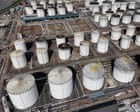
Triple-digit oil is back, and financial markets are scrambling to reprice reality. Brent crude climbed past $101 a barrel as the conflict involving the United States, Israel, and Iran deepened, marking the first time prices crossed that threshold since July.
If you thought the energy shock from earlier in the year was a temporary headline blip, you're looking at the wrong data. The ongoing disruption in the Persian Gulf and the Strait of Hormuz has mutated from a volatile regional clash into a systemic economic weight. When oil prices sit above $100, the shock wave hits shipping lanes, central bank policy meetings, and grocery store checkouts faster than most economic models predict.
The Trigger Behind the Triple-Digit Return
The latest upward push wasn't caused by vague supply worries or speculative trading desks. It followed a sharp escalation in the Gulf. The U.S. military reported destroying multiple Iranian tankers after Tehran targeted a U.S. navy warship with ballistic missiles. Simultaneously, Iran-backed Houthi forces launched drone and missile strikes targeting energy infrastructure in Saudi Arabia, disrupting key transit routes and setting installations ablaze.
China, the world's largest importer of crude, has quietly increased purchases back up to roughly 9 million barrels per day in August from a low of 7.15 million barrels in June. That demand recovery combined with active supply blockages has compressed global inventory cushions.
Markets hate uncertainty, but they despise sustained infrastructure vulnerability even more. As market research head Lukman Otunuga at FXTM noted, Brent breaking back above $100 serves as a major psychological milestone that forces institutional investors to reckon with prolonged inflation.
Why Central Banks Are Trapped
Higher oil prices act as a tax on everything. When energy becomes expensive, manufacturing costs spike, cargo shipping fees rise, and petrochemical products—from synthetic clothing to food packaging—become costlier to produce.
Bank of England governor Andrew Bailey warned lawmakers that the risks to inflation are firmly on the upside due to persistent energy pressures. Across the Atlantic, Federal Reserve officials face a complicated path. While consumers grapple with retail pump prices surging well past seasonal norms, headline inflation metrics remain stubbornly high.
Central banks can't drill for oil, and they can't negotiate a ceasefire in the Middle East. When energy shocks drive inflation upward, raising interest rates slows down economic growth without directly fixing the physical supply shortage in the Gulf. That leaves policymakers trapped between letting inflation run hot or tightening monetary policy into an already slowing economy.
Real Pain at the Pump and Beyond
Drivers are already feeling the direct pinch. In the UK, average petrol prices climbed to 166.2p a litre, the highest mark in four years, while diesel touched 187.7p. Households face looming utility price cap adjustments, with energy analysts warning of double-digit percentage hikes heading into the winter heating season.
Airlines have responded to jet fuel volatility by cutting marginal routes and raising ticket fees. Logistics firms are passing transit surcharges down to retail brands, meaning everyday shoppers end up absorbing the cost of every missile fired and every tanker intercepted thousands of miles away.
What You Should Do Now
Stop treating geopolitical energy shocks as foreign news that won't affect your personal ledger. If you run a business, review your supply chain logistics immediately to identify exposure to petroleum-based shipping and materials. Lock in fixed energy contracts where possible before winter demand compounds wholesale price spikes. If you're managing household finances, budget for creeping inflation across utilities, groceries, and transit costs over the next two quarters. The $100 oil baseline is rewriting economic rules for the rest of the year. Plan accordingly.